Leslie Kean
A journalist whose books and reporting brought military witnesses and government UFO investigations to a broad audience. She co-authored the 2017 New York Times story that helped reshape the modern public conversation about UAP.
- KNOWN FOR
- UFOs on the Record · The 2017 Pentagon story · Disclosure reporting
Sources reviewed September 16, 2026
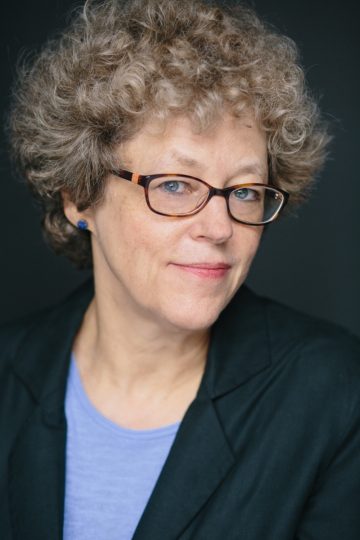
A reporter focused on unresolved questions
Kean describes her work as independent investigative journalism. Her writing has covered UFO reports as well as other contested subjects, including the experiences explored in her 2017 book Surviving Death. Her UFO work is best understood through the particular witnesses, records, and institutions she brings into a story. A biographical overview on an author’s own website is useful for identifying publications and professional interests; independent reporting and the underlying documents are needed to assess the conclusions.
Sources: Leslie Kean’s author biography
Putting named witnesses on the record
Her 2010 book UFOs: Generals, Pilots, and Government Officials Go on the Record assembled accounts and contributions from people willing to be publicly identified. Its emphasis on experienced military and aviation witnesses gave readers a route into a subject often encountered through anonymous stories. Professional experience can help establish what someone was trained to observe, but it cannot eliminate perceptual error or missing information. Each case still needs to be assessed through the available records, circumstances, and corroboration.
Sources: UFOs: Generals, Pilots, and Government Officials Go on the Record
The December 2017 Pentagon story
With Helene Cooper and Ralph Blumenthal, Kean co-authored the New York Times report on a Pentagon effort described as the Advanced Aerospace Threat Identification Program. Published online on December 16, 2017, the article reported funding, political sponsorship, and accounts of military encounters. Its significance was partly institutional: a major newspaper was treating government interest in UFOs as a reportable subject. Evidence that officials funded or investigated a subject establishes that activity. It does not settle the origin of the objects described in the reporting.
The Grusch reporting and public testimony
In June 2023, Kean and Blumenthal published David Grusch’s allegations about concealed retrieval programs in The Debrief. Their report attributed the claims to Grusch and other sources, including assertions about information outside public access. The House Oversight hearing the following month heard from Grusch, Ryan Graves, and David Fravor. These are distinct records: a published investigation and testimony before a congressional committee. Neither publication nor a hearing converts an allegation into independently established physical evidence, particularly where the claimed supporting material remains unavailable to readers.
Sources: Intelligence officials say U.S. has retrieved non-human craftThe July 26, 2023 UAP hearing
Reading the reporting in context
Gideon Lewis-Kraus’s 2021 New Yorker profile offers independent context on Kean, her sources, and the wider movement to bring UFO claims into mainstream institutions. It is a useful companion to her own descriptions of her work. For the reader, the central task is to separate three layers: what a source says, what documents or other witnesses corroborate, and what interpretation the story invites. Kean’s influence on the subject is substantial; the evidentiary strength of each article still rests on its particular reporting.
Sources: How the Pentagon started taking U.F.O.s seriouslyThe Pentagon’s Mysterious U.F.O. ProgramIntelligence officials say U.S. has retrieved non-human craft