Two stars coming down
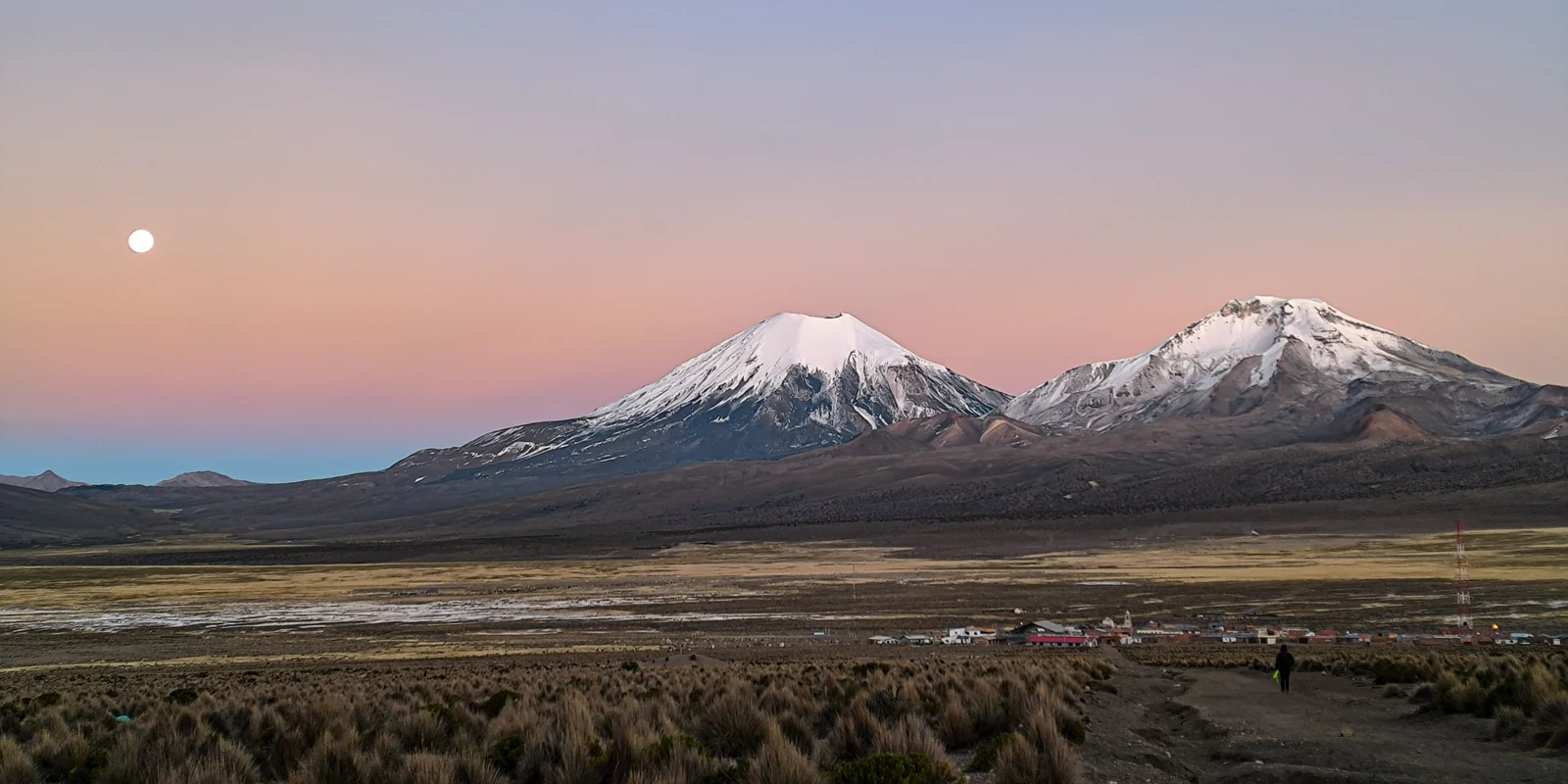
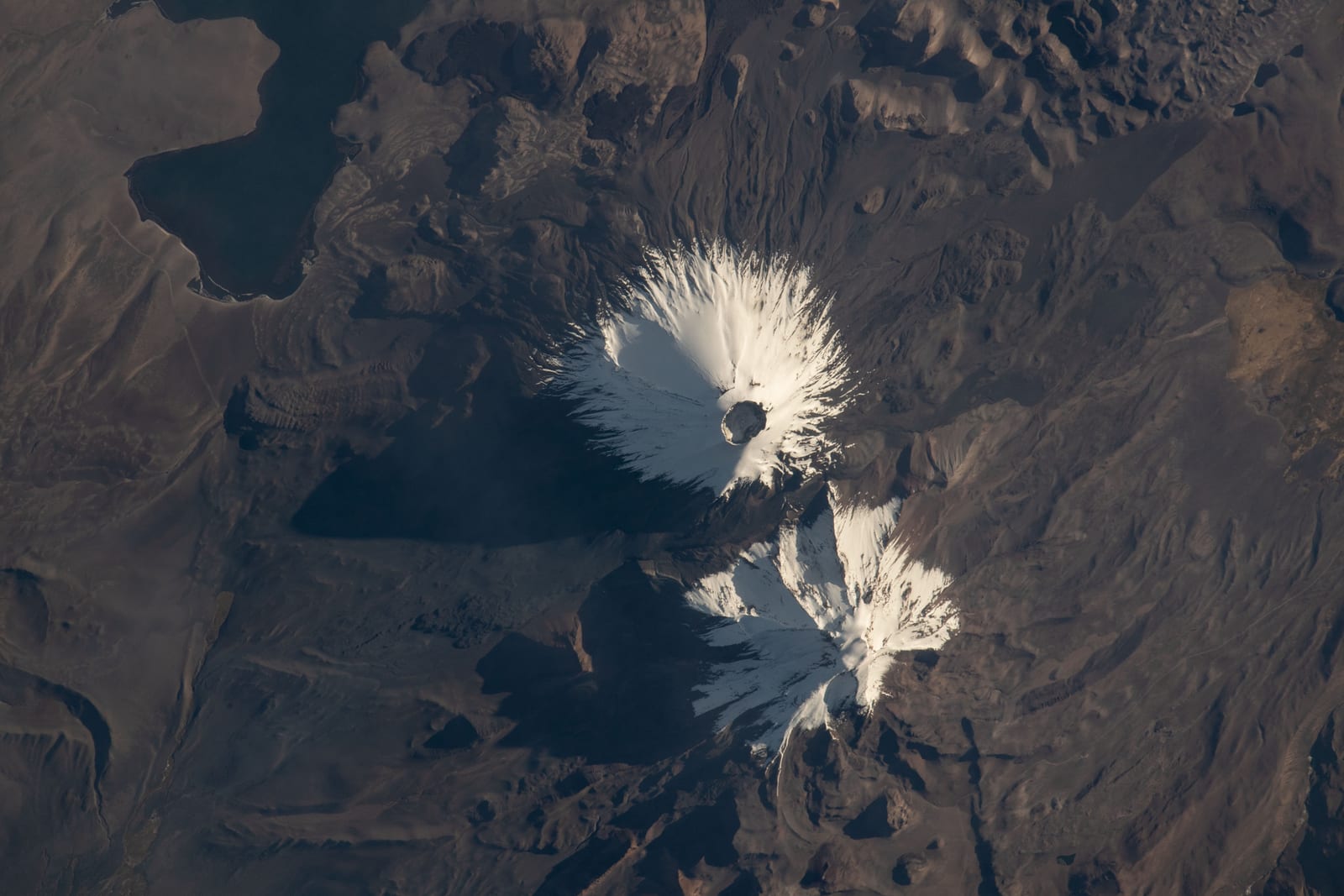
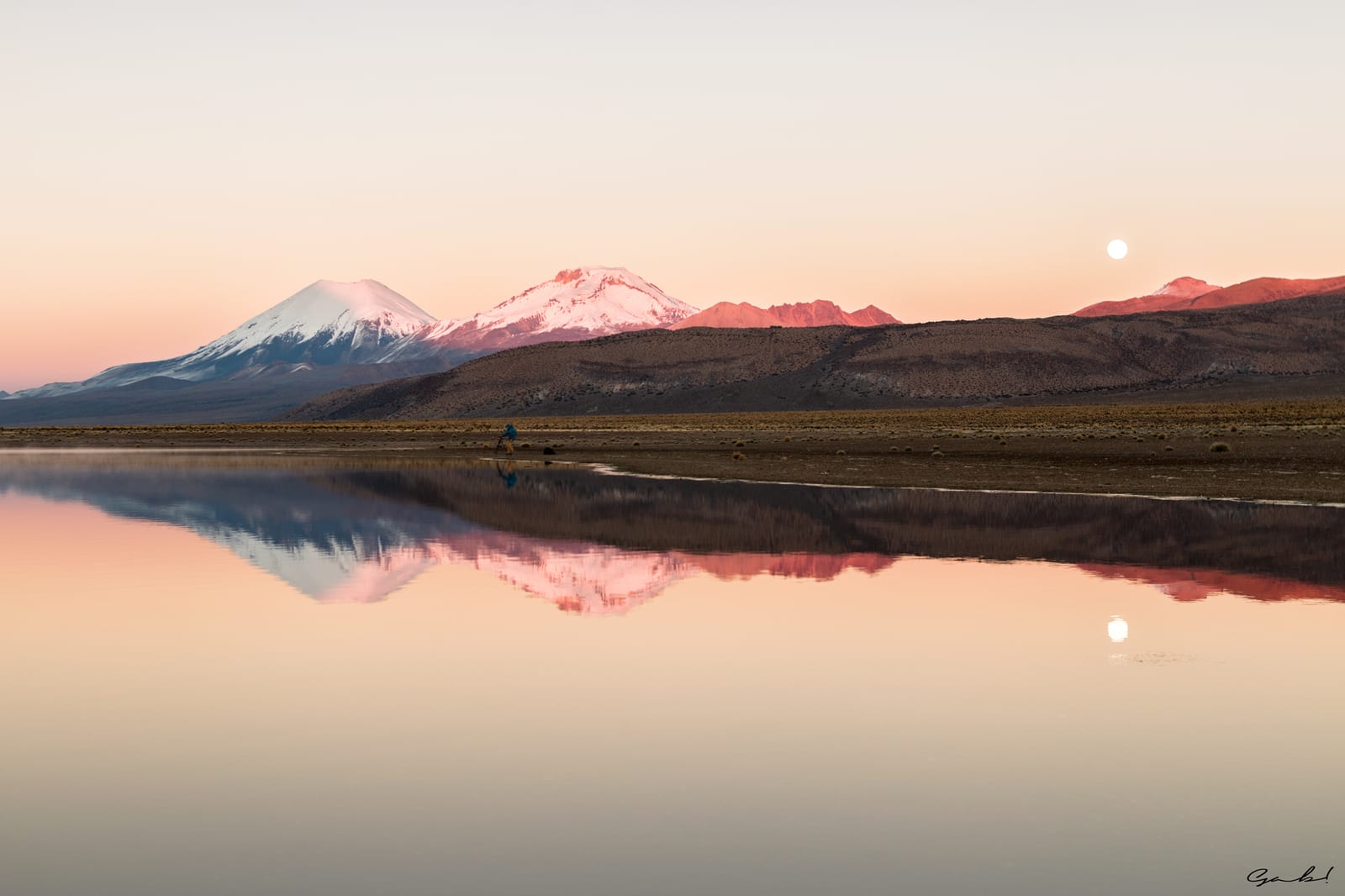
The first to see them was Pedro Rosales, one of two conscripts standing guard at the stable doors. It was a little before four in the morning on Monday, April 25, 1977, on the high plain of Pampa Lluscuma in the Andes of northern Chile. The rest of the squad sat around a fire in the lee of a dry-stone wall, singing and trading jokes with the sentries to stay awake in the cold. There was no moon. The sentries had been watching “stars” cross the sky since about half past ten. “First I saw a light coming down, then another,” Rosales said a few hours later, into a tape recorder. “There were two. One came down on this side of the hill and the other on the other side.” He ran to the fire. “Corporal, come and see a light that’s on the hill.” The corporal was Armando Valdés Garrido, twenty-two or twenty-three years old, slight, devout and about five feet five. What he did in the next half hour would make him the most famous soldier in the history of Chilean ufology, and what he said about it over the following forty-seven years would make him its most exasperating.
Sources: Secuestrados por extraterrestresOVNI de PutreThe downfall of Corporal Valdes
The stables at Lluscuma
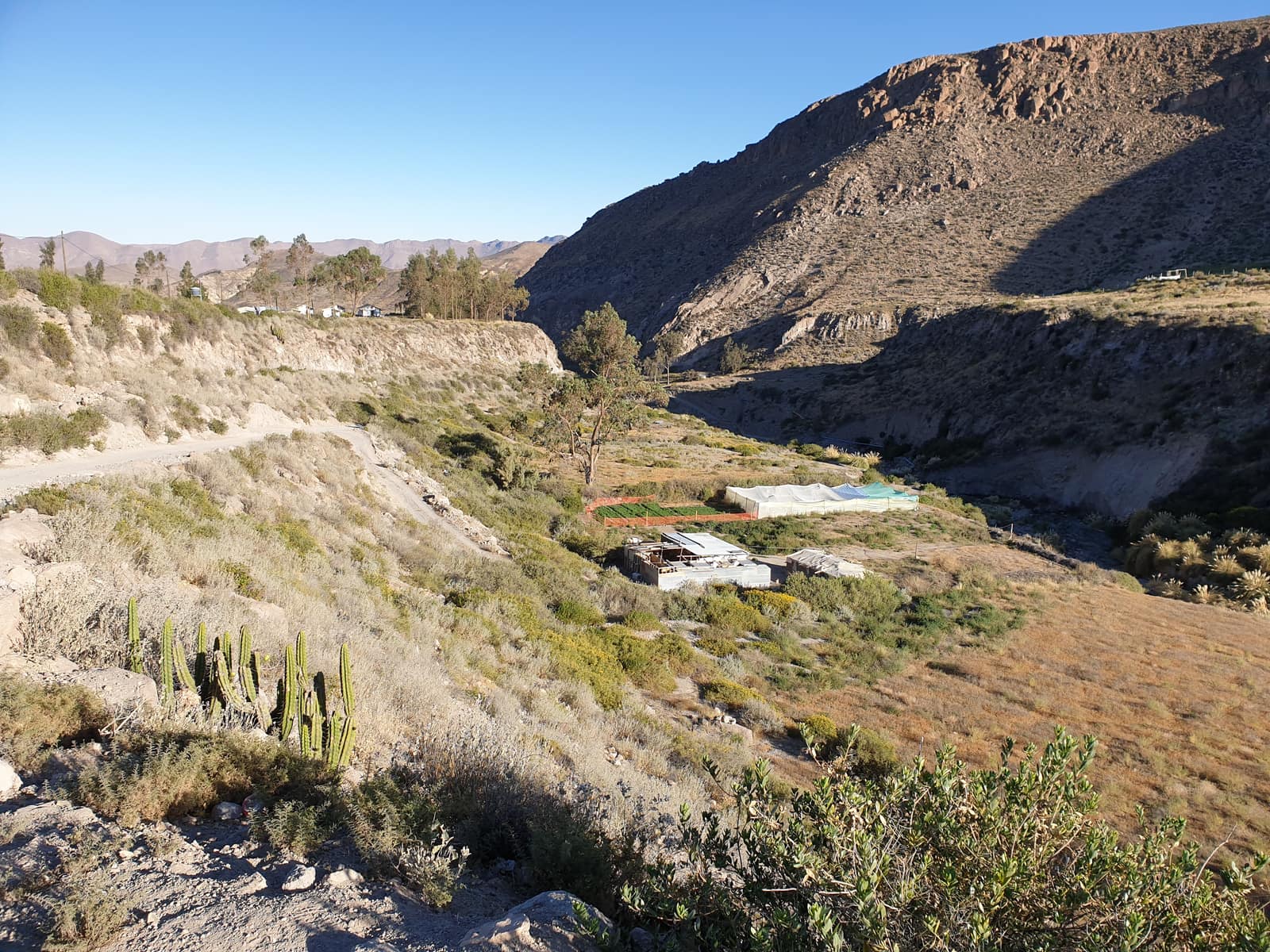
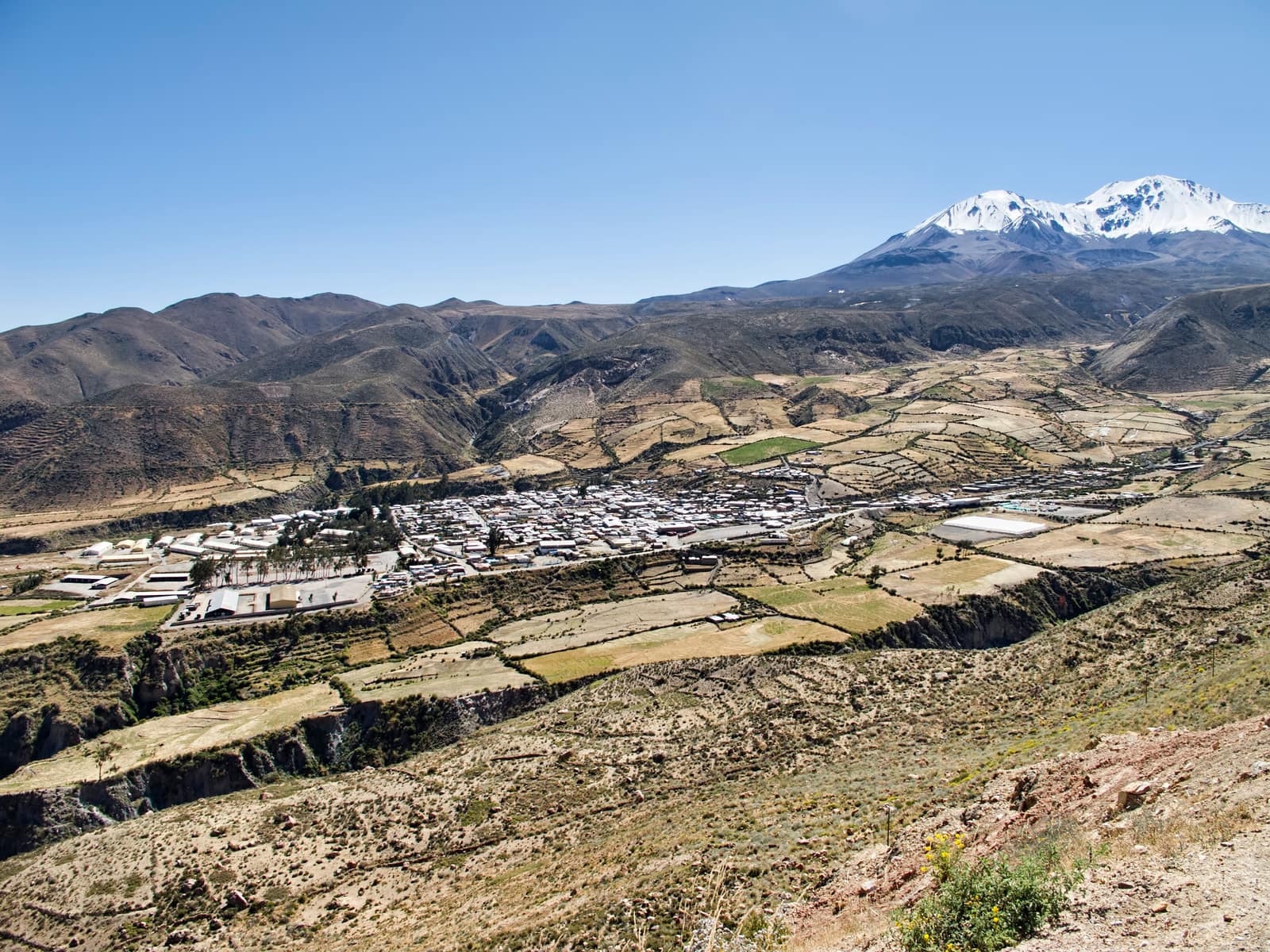
The newspapers would call the men a patrol, returning from a routine sweep near the Bolivian border. In fact, as later investigators established, they were a stable guard. Pampa Lluscuma, a pasture a few kilometers from the village of Putre at around 3,500 meters, held the horses of the Army’s mountain detachment there, and the duty was to soak sacks of oats, feed the animals and muck out the stalls. The seven conscripts had been in Putre for about a year: Julio Rojas, Germán Riquelme, Iván Robles, Humberto Rojas, Raúl Salinas, Juan Reyes and Rosales. Valdés, with two years there, told interviewers in 2007 that he had not even been meant to command them. He had been sent up to the stables that night as a punishment, he said, for arriving late to meetings: “It wasn’t my place to be there; they weren’t my men.” The mission mattered more than it looked. In 1977 Chile’s military government was preparing for a possible war on three fronts, with Peru, Bolivia and Argentina, and it was quietly reinforcing the north. The horses at Lluscuma were part of that, and not something the Army wished to discuss.
Sources: The downfall of Corporal ValdesLa “abducción” del cabo Valdés: una revisión de la historiaEl ocaso ValdésOVNI de PutreAn investigation into the Corporal Valdés caseChile: original recording of the Corporal Valdes abduction
The light that came to the fire
From the end of the wall the men saw it clearly: a great light hanging on the slope of the hill that closed their horizon, about 500 meters away, bright enough to pick out the crops and the outline of the ridge on a moonless night. It was violet, “like a fire,” one of them said, round to oval, with a point of intense red at each end, and it made no sound at all. As it moved it swelled and shrank, brightening “like a fluorescent tube” as it came toward them. Valdés ordered the fire smothered with blankets. The light drew back to the hill, seemed to settle on the ground for a moment, and returned. “It was as if the fire caught their attention,” Valdés said on the tape, “like a curious child.” To a correspondent for the French news agency Agence France-Presse (AFP) he later put it more eerily: it seemed that someone behind the light was trying to find out what was by the campfire. The soldiers felt it pulling at them, and took one another’s hands so that no one would step forward. “We grouped together in combat position, shoulder to shoulder, and said: nobody move,” Valdés recalled. “If something happens to us, let it happen to all of us.” They swore an oath to stay together. When the light came closest, the corporal planted himself in front of his men and shouted at it: “Come closer and identify yourselves!” Nothing answered. He called on God and ordered it away: “Go. In the name of God I order you.” Nearby a flock of sheep had bunched together and gone still; later researchers were told the Army had the sheep put into the early reports in place of its horses. The squad’s mascot, a dog named Huamachuco after the unit, stood frozen by the wall, and the horses seemed paralyzed. “There was a silence like the grave.”
Sources: OVNI de PutreSecuestrados por extraterrestresEn apasionante relato el cabo del Ejército de Chile confirmó a la prensa su encuentro con un plato voladorL’histoire de la patrouille chilienne et de son caporalLa “abducción” del cabo Valdés: una revisión de la historiaA 43 años de la patrulla del cabo Valdés en Putre
Fifteen minutes
At 4:15, by his own account, Valdés looked at his watch. Then he walked a few steps toward the light, two or three meters in his words, four in the soldiers’, and was gone. One of the conscripts remembered it differently: he saw him head to the end of the stone wall. “I thought he was going to relieve himself,” the soldier said on the tape. “But when five minutes or so had gone by and he didn’t come back, we went to look for him, and he had disappeared.” Four of them went out into the dark calling his name. The rest stayed by the wall. Nobody heard him come back. At about 4:30 he was simply among them again, crying out “Boys!” in what one of them called a cry for help, and then he collapsed. They carried him to the embers. When he came round he stared at them with wild eyes, as if he did not know them, jerked himself upright and said, in the words the Chilean press printed: “You don’t know who we are or where we come from, but I tell you we will soon return.” In the tape as later translated, the soldiers remember him laughing as he said it, one of them likening it to a devil’s laugh, and the words as they would pass into legend: “You will never know who we are or where we come from.” He had spasms, laughed incoherently, looked fearfully toward the light, still hanging near the hill, and fainted again. Coming to a second time, he gazed at the glow and murmured, “The light… the light…” before he went under once more.
Sources: OVNI de PutreSecuestrados por extraterrestresEn apasionante relato el cabo del Ejército de Chile confirmó a la prensa su encuentro con un plato voladorAn investigation into the Corporal Valdés caseEl ocaso Valdés
The beard and the watch
As they wrapped him in a blanket, the soldiers noticed his face. The corporal, who they said had shaved that day and worn only a mustache when the guard began, now had a thick stubble like five days’ growth; hours later, on the tape, Araneda would remark on the dense beard himself. Around seven he woke, apparently himself again. “I don’t remember anything from the moment I moved away from you,” he said, and asked about the light. It had stayed there all night, they told him, and faded slowly as the day came up. “All right, get ready to leave,” he ordered. “It’s very late already… half past four? How strange, my watch has stopped.” The watch, a digital one according to the early reports, read exactly 4:30. Its calendar read the 30th, five days ahead, the same five days, the story would soon point out, that his beard seemed to have lived through. In the versions that spread over the next month, fifteen minutes on the pampa had become five days somewhere else.
Sources: OVNI de PutreEn apasionante relato el cabo del Ejército de Chile confirmó a la prensa su encuentro con un plato voladorL’histoire de la patrouille chilienne et de son caporalThe downfall of Corporal ValdesCabo Valdés cuenta una nueva versión de “abducción” en 1977Chile: original recording of the Corporal Valdes abduction
Morning in Putre
Valdés went down to Putre alone, a trip of about half an hour. His friend Antonio Flores, a corporal who had trained with him at the cavalry school in Quillota, remembered it earlier than the soldiers did: Valdés, he said, knocked on his door in Putre at around six. “I don’t know, they’ve all gone crazy, we have to control them,” he told Flores, and on the road up explained what he thought had happened: “It seems I fell asleep, and when the conscripts woke me it was chaos.” Flores found some of the young soldiers shouting that they were leaving, a few already heading off down the ravine; he ran them through drills to calm them down and sniffed their breath for cane liquor. The news had also reached Pedro Araneda, a crafts teacher in Putre, the local correspondent of La Estrella de Arica and a man already known for his interest in flying saucers. At about nine he sat down with the conscripts and showed them a book of UFO photographs to pick out what they had seen. The press said he recorded them then; Flores remembered the tape recorder coming out only around two in the afternoon, back at the stables. The press later spoke of three hours of tape. “That light was messing with us all night,” one soldier began. Valdés, who spent most of the day asleep at Araneda’s house, told the recorder that he remembered nothing, only a pull. “All I can tell you is that something drew me. It was like an inner communication with the light. I don’t know whether to say I felt something truly wonderful or something terrifying.” Then it was “like when I’m sleepy and I disappear into a deep well, like an abyss. From there my brain is empty.” Perhaps, he said, it had been a kind of warning: “No words were addressed to me… if those beings really exist.”
Sources: The downfall of Corporal ValdesLa “abducción” del cabo Valdés: una revisión de la historiaEl ocaso ValdésSecuestrados por extraterrestresOVNI de PutreConfieso que creo en los ovnisAn investigation into the Corporal Valdés case
Three weeks of silence, then a flood
For three weeks nothing appeared. Then, on Monday, May 16, La Estrella de Arica ran “Patrol contacted UFO in Putre,” by Luis Maturana, Luis Daroch and Araneda, and within a day the story was on the wires from Santiago to Buenos Aires. On May 17 the provincial governor of Arica, Colonel Óscar Figueroa Márquez, issued a circular under the emergency press decree ordering that anything on UFOs be submitted to him before publication; La Estrella pulled the soldiers’ taped statements from its pages. The order did not hold. El Mercurio sent Enrique Jorquera to Arica, and on May 18 Valdés himself met the press there. “I know I’m exposing myself to being laughed at,” he told AFP, “but I was one of those who thought that with UFOs you had to see to believe. Now the soldiers with me and I have seen, and we believe that behind that light that visited us that morning there is someone intelligent who comes from another planet.” He said he wanted to recover the fifteen minutes, even under hypnosis. The same afternoon the Army’s commander-in-chief issued Press Bulletin No. 59. The Army, it said, “does not pronounce on the events themselves as related by the members of the patrol,” but the press versions “are in general consistent with the accounts of the members of the patrol.” The next day El Mercurio printed a transcript of Araneda’s tape, and Governor Figueroa soon lifted his order. By June the National Enquirer had the story; an Army colonel described as an aide to General Pinochet told it the men were confined to barracks for medical and psychiatric tests, and that “it is a very strange story.” The bulletin of the Aerial Phenomena Research Organization (APRO), in Arizona, reported that Pinochet had forbidden further interviews. In July a Temuco journalist, Juan Jorge Faundes, had a book in the shops, written in about a week and titled with the words the soldiers remembered: Ustedes nunca sabrán, “You will never know.”
Sources: El ocaso ValdésCrónica, Buenos Aires, May 17, 1977En apasionante relato el cabo del Ejército de Chile confirmó a la prensa su encuentro con un plato voladorChile: OVNI, mala palabraOVNI de PutreSecuestrados por extraterrestresSoldier snatched by UFO loses five days of his life – in 15 minutes!The A.P.R.O. Bulletin vol. 26 no. 1El cabo Valdés me decepcionó
Beards, doctors and a rocket
Valdés tried to settle the beard himself. According to the Chilean reports summarized in Spain that September, he went five days without shaving to compare, and the result was thinner than what his men had seen on his face that night. “The strange thing,” he said, “is that with the cold, in Putre the beard grows very little.” Antonio Las Heras, an Argentine journalist whom Chile’s Canal 13 flew in to look at the case, argued that Valdés had teleported himself in terror and grown the beard from fear, and pointed out a snag in the popular reading: if this was time dilation, it was backward, since it was the traveler who had aged, not those left behind. Within weeks Valdés was sent to the Military Hospital in Santiago for tests, where he stayed about a month by Flores’s account. The Army doctors who examined him recommended moving him to another unit and keeping him away from the press. Years later the Army psychiatrist Raúl Molina told La Tercera it had been “a typical lucid psychosis”; in 2007 he said he did not remember Valdés faking. Valdés stayed in uniform. In February 1980, as an instructor in Concepción, he was among the soldiers who saw another strange light in the sky; the American space analyst James Oberg identified that one as a Soviet rocket stage.
Sources: OVNI de PutreSecuestrados por extraterrestres¿Dónde estuvo el cabo Valdés?The downfall of Corporal ValdesLa “abducción” del cabo Valdés: una revisión de la historiaThe strange time-warp case of Corporal Armando Valdés
The many lives of Corporal Valdés
Over the next half century Valdés never told the story the same way twice. In 1983, interviewed with the Army’s written permission, he said he was tired of running: “I want to be simply Armando Valdés.” In 1993, now a sergeant, he announced that the extraterrestrials would come back and that it would be necessary to be at peace with God; he said he had called on them and they had healed his sick daughter, and he told the Argentine journalist Alejandro Agostinelli that the beings had seemed somewhat demonic. In June 1999, days after retiring, he went on De Pe a Pa, on the state channel TVN, for a fee reported as more than eight million pesos, and spoke of a non-human intelligence, of feeling that he had passed through a portal, of a dread of the letter H, and of visits from men in black at his office in the Tucapel Regiment. Under hypnosis that year, according to Abusleme, he described walking up to the craft, going inside and seeing three people in white helmets.
Sources: The downfall of Corporal ValdesLa “abducción” del cabo Valdés: una revisión de la historiaEl cabo Valdés nunca fue abducidoCabo Valdés cuenta una nueva versión de “abducción” en 1977El caso del cabo Valdés, a 40 años del episodio más célebre de la ufología chilena
“I was never abducted!”
On the twenty-fifth anniversary, in April 2002, Valdés told Las Últimas Noticias: “You want to know the truth? I was never abducted! But another phenomenon happened to me.” That November he stood on the pampa with the researcher Patricio Abusleme, where brick buildings had already replaced the old stables, and said he had spent the fifteen minutes relieving himself and listening to the conscripts from behind the wall, and that he had not shaved for five days. By 2007 he was an evangelical pastor running a ceviche restaurant in Temuco, and to Agostinelli and the Chilean skeptic Diego Zúñiga he said: “I was always watching them, always listening to them. They didn’t see me… They were more hallucinated than I was.” Of his performance that night he said he still could not explain it: “It was like starting to tell a joke during a magnitude 7.5 earthquake.” He still would not let go of the light: “I will never deny that I felt that thing was intelligent,” and an entity, he suggested, had steered the lies. In February 2013 he told a UFO congress in Maipú that there had been no contact of any kind, that he had wanted to go and find where the light fell “to grab a little piece of gold and become a millionaire,” and that “phony ufologists” should stop making money from his case. In 2024 he finally published a book, A la sombra de la verdad, “In the shadow of the truth.” Presenting it at the UFO Museum in La Serena that November, he said it had taken him twenty-five years and held three characters: Armando Valdés the man, Corporal Valdés who tells what happened in 1977, and a figure living in a future that might yet happen.
Sources: Entrevista a Patricio Abusleme HoffmanLa “abducción” del cabo Valdés: una revisión de la historiaEl caso del cabo Valdés, a 40 años del episodio más célebre de la ufología chilenaCabo Valdés cuenta una nueva versión de “abducción” en 1977Cabo Valdés se confiesa: “Nunca me abdujeron”Cabo Valdés nunca fue abducido en el norte de ChileCabo Valdés lanza su libro en el Museo OVNIA la sombra de la verdad
The sentinels stand firm
His men never followed him. Abusleme, who spent years tracking down the conscripts for his book La noche de los centinelas, “The night of the sentinels,” found three willing to talk, Julio Rojas, Humberto Rojas and Raúl Salinas. “All the soldiers say that on that day, when the guard began, Valdés was shaved and wore only a mustache,” he said. Humberto Rojas, who went on to some thirty years in Chile’s police, appeared on television in 1999 and has confirmed the basic facts to researchers, beard and watch included. Salinas went further than anyone: he said he had seen the corporal fall from the sky, “and as he is little, I thought he was one of them.” He had since, he said, traveled in dreams with Amalia, the queen of another world, and he complained that Valdés “has profited from a story he knows through us.” Iván Robles would never give an interview; in 2016, months before he died, he asked Agostinelli how much he would pay “for the version that has never been heard.” Even Antonio Flores, who had heard Valdés say he fell asleep, would not call it a hoax: in the cavalry school, he said, they had pegged Valdés as a showman who liked attention, and he could perfectly well have been faking, “but it didn’t seem that way to me.” Abusleme was blunt about the recantation. “It wasn’t a joke,” he said on the fortieth anniversary; something anomalous had happened, perhaps a military operation by a foreign or Chilean power, and the denial was a religious matter for a man who had been a pastor for twenty years. He had called Valdés the Chilean Travis Walton.
Sources: Cabo Valdés cuenta una nueva versión de “abducción” en 1977The strange time-warp case of Corporal Armando ValdésThe downfall of Corporal ValdesLa “abducción” del cabo Valdés: una revisión de la historiaEl caso del cabo Valdés, a 40 años del episodio más célebre de la ufología chilenaEntrevista a Patricio Abusleme Hoffman
Lluscuma in the imagination
The case outgrew everyone who told it. It was a joke within weeks: La Segunda’s satirical supplement, which made a habit of mocking reports of people who had disappeared under the dictatorship, printed a communiqué from the “Public Relations Department of the Flying Saucers” asking not to be confused with those “alleged” disappearances, regretting the corporal’s beard and fast watch, and promising a barber’s shop and a watch-repair workshop aboard the saucers. El Mercurio noticed that his famous line was spoken again and again in a stage play due to open that July. In Chilean retellings the soldiers’ rifles were found twisted and a scrap of shiny metal picked up on the pampa ended in the car trunk of the reporter Luis Daroch. The Spanish writer J. J. Benítez claimed that an Aymara farming family living some 300 meters away had seen the same light, and said General Pinochet had handed him a folder on the case; by Agostinelli’s account it was the damning Military Hospital report, passed over at a dinner so that Benítez would not waste his time. In 2013 the novelist Jorge Baradit published Lluscuma, a science-fiction thriller that braids the corporal’s lost minutes into the buried history of the dictatorship; as Baradit put it, “We were busy looking at the sky while they buried our brothers in the ground.” Faundes returned in 2023 with a second book, forty-six years on, weighing wormholes and time travel. The UFO Museum in La Serena keeps a diorama of the pampa, and in Santiago an escape room invites players to solve “The Abduction of Corporal Valdés” on the premise that he really was taken and then forced to say it was all a lie.
Sources: El ocaso ValdésConfieso que creo en los ovnisAbducción del cabo Valdés, el misterio sigue vivoLa “abducción” del cabo Valdés: una revisión de la historiaPolítica y ciencia ficción: Baradit publica novela sobre el caso del cabo ValdésOvni de Putre 46 años después: nuevo libroCabo Valdés lanza su libro en el Museo OVNILa abducción del cabo Valdés
What survives
No 1977 Chilean newspaper page on the case appears to be online. The contemporary record survives in wire stories printed abroad, above all the Agence France-Presse interview with Valdés and the Italian agency ANSA’s report of the censorship order in Buenos Aires’s Crónica; in El Mercurio’s transcript of Pedro Araneda’s tape, known through a French translation of 1977 and Antonio Ribera’s Spanish reprint of 1984; and in close paraphrases of the Chilean press in Spanish, French and American UFO bulletins of that year. The Army’s Press Bulletin No. 59 survives verbatim in the same bulletins. Diego Zúñiga’s 2003 study cites the La Estrella de Arica series of May 16 to 20 page by page and prints the governor’s circular. Araneda kept his tape for decades, played it for the German writer Hartwig Hausdorf in 1996 and let Abusleme copy it in 2009; excerpts have since been transcribed. No official Army file has surfaced; Zúñiga reports that the Army has consistently answered that it has none, and no file on the case has been published by Chile’s official UFO committee, founded long afterward. The watch was shown to Araneda, to officers and to television cameras in 1977, but no one ever tested it independently, and Valdés has given different accounts of what became of it.
Sources: En apasionante relato el cabo del Ejército de Chile confirmó a la prensa su encuentro con un plato voladorChile: OVNI, mala palabraL’histoire de la patrouille chilienne et de son caporalSecuestrados por extraterrestresOVNI de PutreEl ocaso ValdésThe Arica caseAn investigation into the Corporal Valdés caseChile: original recording of the Corporal Valdes abduction
The contradictions
The details that made the case famous are the least stable. The watch stopped at 4:30 in most versions; in the AFP interview it had jumped fifteen minutes and five days from the 4:15 Valdés said he saw before he vanished, and he told Canal 13 at the time that it stopped at 4:20. It was digital in the 1977 reports and, by Valdés’s 2007 account, a watch with hands that he handed in and never reclaimed. The last shave moves from that morning to six in the evening to nine at night, depending on who tells it, and Valdés himself, who told Canal 13 in 1977 that his beard that day was “normal, a bit grown, that’s all,” later settled on “I wasn’t shaved.” AFP counted six soldiers; ANSA and the Chilean papers, seven. The unit is the Rancagua Regiment of Arica in the press and the Huamachuco detachment of Putre in later research. Distances to the light range from 200 meters to a kilometer. Other details drift from telling to telling: a violet fog around the light, which Las Heras had Valdés walk into; a “beam of light”; a corporal crying out that they were taking him away; rifles made ready, or, as Flores insisted of a stable guard, no weapons at all.
Sources: En apasionante relato el cabo del Ejército de Chile confirmó a la prensa su encuentro con un plato voladorOVNI de PutreLa “abducción” del cabo Valdés: una revisión de la historiaThe downfall of Corporal Valdes¿Dónde estuvo el cabo Valdés?A 43 años de la patrulla del cabo Valdés en PutreThe Arica caseThe strange time-warp case of Corporal Armando ValdésCrónica, Buenos Aires, May 17, 1977Cabo Valdés cuenta una nueva versión de “abducción” en 1977Chile: original recording of the Corporal Valdes abduction
Explanations
Zúñiga first tested whether the soldiers’ two descending stars could have been Venus and Mars; with the Spanish researcher Manuel Borraz he found that Venus rose almost an hour too late and Mars was barely visible, and dropped the idea. He points instead to the circumstances: exhausted young conscripts at altitude on a freezing night, a light of unknown origin, a corporal his classmates remembered as a showman, a local UFO enthusiast who showed them flying-saucer photographs within hours, a story that surfaced only after three weeks, and a military government with reasons to be glad of a distraction while it quietly fortified the northern border. The Asociación Escéptica de Chile went further, suggesting the tale covered for the secret horses at Lluscuma. Abusleme, who has tracked down more of the witnesses than anyone, rejects both the hoax and the psychology, and the soldiers he found have never taken back the light that stayed on the hill until sunrise. Valdés, in his most recent telling, agrees with them on one point. “If a phenomenon caused me panic, fear, depression,” he said in 2024, “then what we had in front of us was not good.”
Sources: The downfall of Corporal ValdesEl ocaso ValdésLa noche de los centinelas de Patricio Abusleme: el caso Valdés como nuncaEl montaje del caso ValdésEl caso del cabo Valdés, a 40 años del episodio más célebre de la ufología chilenaEntrevista a Patricio Abusleme HoffmanCabo Valdés lanza su libro en el Museo OVNI
Classification and evidence note
This archive files Pampa Lluscuma as a close encounter of the fourth kind because the case entered the literature as a reported abduction: a man who walked toward a light in front of seven witnesses, vanished for fifteen minutes and returned speaking, in a hurried, altered voice, for an unnamed “we.” The contemporary witness reports, the tape and the Army bulletin establish that the soldiers described a light and the corporal’s disappearance within hours and stood by it; they do not establish what the light was or where Valdés went. The beard and the watch rest on the statements of the soldiers, Araneda and Valdés’s superiors; no photograph or examination recorded them. Valdés’s own later accounts, which deny any abduction, are given here as he told them.
Sources: OVNI de PutreSecuestrados por extraterrestresThe downfall of Corporal ValdesLa “abducción” del cabo Valdés: una revisión de la historia
- 24 APR 1977
Corporal Armando Valdés and seven conscripts take the night guard at the Army stables at Pampa Lluscuma, near Putre.
- 25 APR 1977 · 3:50 AM
The sentry Pedro Rosales sees two lights descend; a violet light with two red points approaches the squad’s fire.
- 25 APR 1977 · 4:15 AM
Valdés steps toward the light and disappears.
- 25 APR 1977 · C. 4:30 AM
He reappears among the soldiers, speaks of beings who “will soon return,” and collapses; the soldiers see what looks like days of beard.
- 25 APR 1977 · C. 7:00 AM
Valdés wakes remembering nothing; his stopped watch reads 4:30 and its calendar the 30th.
- 25 APR 1977 · MORNING
Pedro Araneda questions the soldiers and records their testimony.
- 16 MAY 1977
La Estrella de Arica breaks the story.
- 17 MAY 1977
The governor of Arica orders UFO news submitted to him before publication; El Mercurio reports from Arica.
- 18 MAY 1977
Valdés speaks to Agence France-Presse; the Army issues Press Bulletin No. 59.
- 19 MAY 1977
El Mercurio prints the transcript of Araneda’s tape.
- 28 JUN 1977
The National Enquirer reports the men confined to barracks for medical tests.
- JUL 1977
Juan Jorge Faundes publishes Ustedes nunca sabrán.
- 2 OCT 1983
La Tercera interviews Valdés: “I want to be simply Armando Valdés.”
- 16 JUN 1999
Newly retired, Valdés speaks on television of a portal and men in black.
- APR 2002
On the 25th anniversary Valdés says he was never abducted.
- 25 NOV 2007
Valdés tells Alejandro Agostinelli and Diego Zúñiga he watched the soldiers from behind the wall.
- 2010
Patricio Abusleme publishes La noche de los centinelas.
- 15–16 FEB 2013
At a UFO congress in Maipú, Valdés says there was no contact of any kind.
- NOV 2013
Jorge Baradit publishes the novel Lluscuma.
- SEP–NOV 2024
Valdés publishes A la sombra de la verdad and presents it at the UFO Museum in La Serena.
Sources & interviews
En apasionante relato el cabo del Ejército de Chile confirmó a la prensa su encuentro con un plato voladorAgence France-Presse, datelined Arica, May 18 · Crónica, Buenos Aires, May 18, 1977, p. 16 · Internet ArchiveCrónica, Buenos Aires, May 17, 1977ANSA and United Press International from Santiago, citing La Segunda and El Mercurio of May 16–17 · Internet ArchiveChile: OVNI, mala palabraANSA from Santiago · Crónica, Buenos Aires, May 19, 1977 · on the Arica governor’s censorship order · Internet ArchiveL’histoire de la patrouille chilienne et de son caporalLumières dans la Nuit no. 169 · 1977 · French translations of Enrique Jorquera’s El Mercurio report of May 17, 1977, and of the Araneda tape transcript El Mercurio printed on May 19 · Internet ArchiveSecuestrados por extraterrestresAntonio Ribera · Planeta, Barcelona, 1984 · chapter on Putre, with the Spanish text of the Araneda tape as published in El Mercurio, May 19, 1977 · Internet ArchiveOVNI de PutreRamón Simó Costa · Stendek vol. 8 no. 29 · Centro de Estudios Interplanetarios, Barcelona, September 1977 · from the Chilean press, with the Army’s bulletin · Internet ArchiveThe A.P.R.O. Bulletin vol. 26 no. 1Aerial Phenomena Research Organization, Tucson · July 1977, pp. 1 and 3 · Internet ArchiveSoldier snatched by UFO loses five days of his life – in 15 minutes!Michael J. Hoy · National Enquirer, June 28, 1977, p. 33 · reprinted in Cosmology Newslink no. 19 · Internet ArchiveThe Arica encounterGordon Creighton · Flying Saucer Review vol. 23 no. 5 · February 1978 · from Clarín, La Crónica, La Razón and the Sunday Express · Internet Archive¿Dónde estuvo el cabo Valdés?Antonio Las Heras · Mundo Desconocido no. 15, Barcelona · September 1977, pp. 68–74 · Internet ArchiveEl ocaso ValdésDiego Zúñiga C. · Cuadernos de Ufología, 3rd series, no. 29 · 2003 · with the 1999 testimony of Corporal Antonio Flores and the governor’s circular · Internet ArchiveThe downfall of Corporal ValdesDiego Zúñiga C., translated by Richard W. Heiden · Magonia Supplement no. 50 · May 19, 2004 · Internet ArchiveEl cabo Valdés me decepcionóDiego Zúñiga, interview with Juan Jorge Faundes · La Nave de los Locos no. 25 · November 2003 · Internet ArchiveThe Arica caseGordon Creighton, with Hartwig Hausdorf’s account of his 1996 visit to Putre and Pedro Araneda · Flying Saucer Review vol. 44 no. 2 · Summer 1999 · Internet ArchiveAn investigation into the Corporal Valdés caseJean Librero · Outer Limits Magazine no. 48 · review of Patricio Abusleme’s La noche de los centinelas, with excerpts from the Araneda tape · Internet ArchiveA 43 años de la patrulla del cabo Valdés en PutreCristián Riffo · from El libro no oficial del caso Valdés · reprinted in NOUFA no. 74 · 2020 · Internet ArchiveConfieso que creo en los ovnisHermógenes Pérez de Arce, director of La Segunda in 1977 · Editorial El Roble, Santiago · chapter “El caso del cabo Valdés” · Internet ArchiveLa “abducción” del cabo Valdés: una revisión de la historiaAlejandro Agostinelli, with Diego Zúñiga · Factor el Blog · April 25, 2017 · from their 2007 interview with Valdés in TemucoValdés, el cabo que fue abducido, o no, por extraterrestresAlejandro Agostinelli · Factor el Blog · December 24, 2010El cabo Valdés nunca fue abducidoAsociación Escéptica de Chile · May 2010El montaje del caso ValdésAsociación Escéptica de Chile · March 2013Entrevista a Patricio Abusleme HoffmanOvnis en la sexta región · February 2006Cabo Valdés cuenta una nueva versión de “abducción” en 1977La Cuarta · February 20, 2011Cabo Valdés se confiesa: “Nunca me abdujeron”JL Barrientos · La Cuarta · February 18, 2013Cabo Valdés nunca fue abducido en el norte de Chile24 Horas, Televisión Nacional de Chile · February 18, 2013Abducción del cabo Valdés, el misterio sigue vivoDiario El Día, La Serena · February 24, 2013El caso del cabo Valdés, a 40 años del episodio más célebre de la ufología chilenaT13 · April 25, 2017La noche de los centinelas de Patricio Abusleme: el caso Valdés como nuncaDiego Zúñiga · El Ojo Crítico · July 30, 2017The strange time-warp case of Corporal Armando ValdésJ. Antonio Huneeus · Open Minds · July 27, 2020Chile: original recording of the Corporal Valdes abductionInexplicata, translated by Scott Corrales from NOUFA · August 4, 2012Ovni de Putre 46 años después: nuevo libroLa Voz del Norte · February 2023 · on Juan Jorge Faundes’s second bookCabo Valdés lanza su libro en el Museo OVNIMuseo OVNI, La Serena · November 2024A la sombra de la verdadArmando Valdés · Editorial Digital Daniel Silva · ISBN Chile catalogue record, 2024Política y ciencia ficción: Baradit publica novela sobre el caso del cabo ValdésLa Tercera · November 2013 · on Jorge Baradit’s novel LluscumaLa abducción del cabo ValdésFUGA escape rooms, Santiago · room descriptionCaso Cabo ValdésWikipedia (Spanish)Spotted an error, or know a better source? Write to hello@uap.fun.
Connected files
Five Days in the PinesSeventeen months earlier in Arizona, another young man stepped toward a light in front of his companions and vanished; Abusleme called Valdés the Chilean Travis Walton.Two Lost Hours on Route 3The founding case of missing time, where a bright planet has long been offered as part of the answer, the same idea Zúñiga tested and dropped at Lluscuma.The Light over Deception IslandChile’s armed forces and another colored light in a remote outpost, twelve years earlier and far to the south.The Men in BlackThe visitors Valdés said came to his office at the Tucapel Regiment in Temuco, a story he told on national television in 1999 as his account drifted toward the demonic.Travis WaltonThe logger whose five missing days, reported in Chile in January 1976, Zúñiga saw mirrored in the corporal’s fifteen minutes.Discuss this case
Compare notes with other readers: witness details, sources, and the parts that still do not add up.
Open the discussion