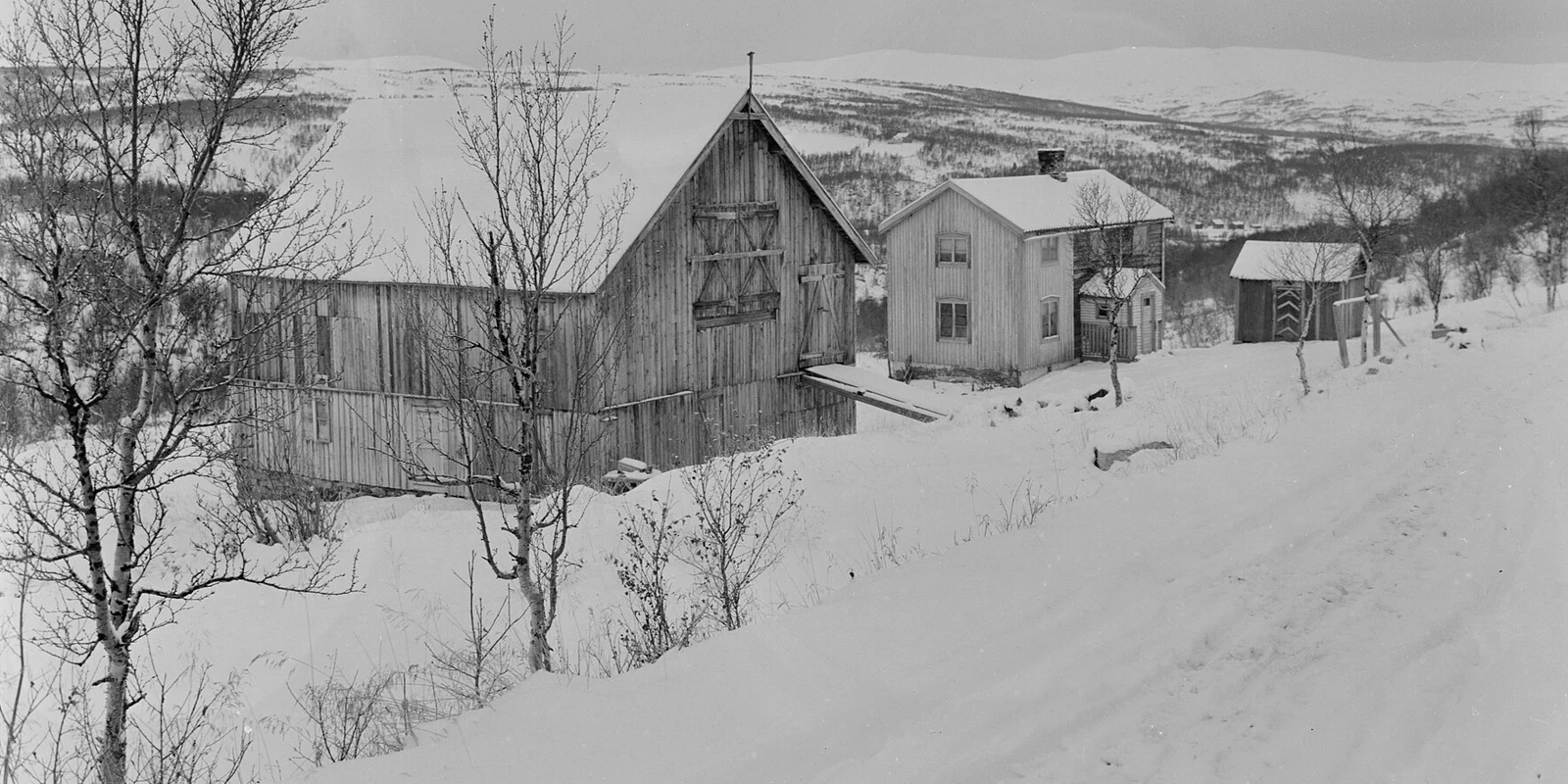
A valley at the end of the road
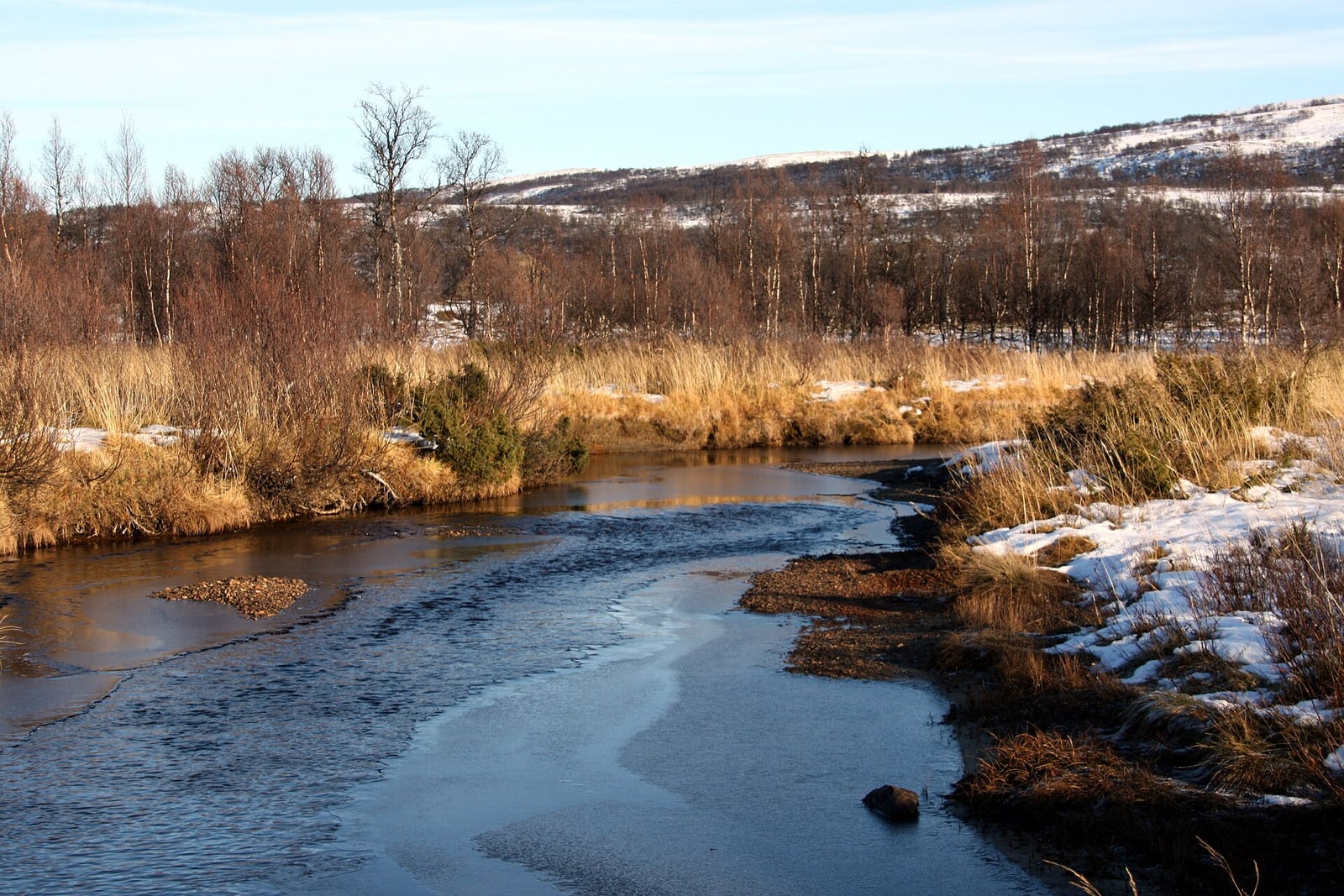
Hessdalen is a narrow valley high in the mountains of central Norway, a scatter of farms along the river Hesja about 30 kilometers north of the old copper town of Røros. About 150 people lived there in the early 1980s, and it was the kind of place the rest of Norway barely knew existed: long winters of deep snow and frost below minus thirty, farms whose men often worked shifts in the copper mine at Killingdal, a road that climbed over a pass called Hessdalskjølen. The fells on every side, Finnsåhøgda, Vårhuskjølen, Rognefjellet, Skarvan, are rounded, treeless and empty, and on a winter night the only lights on them should be stars.
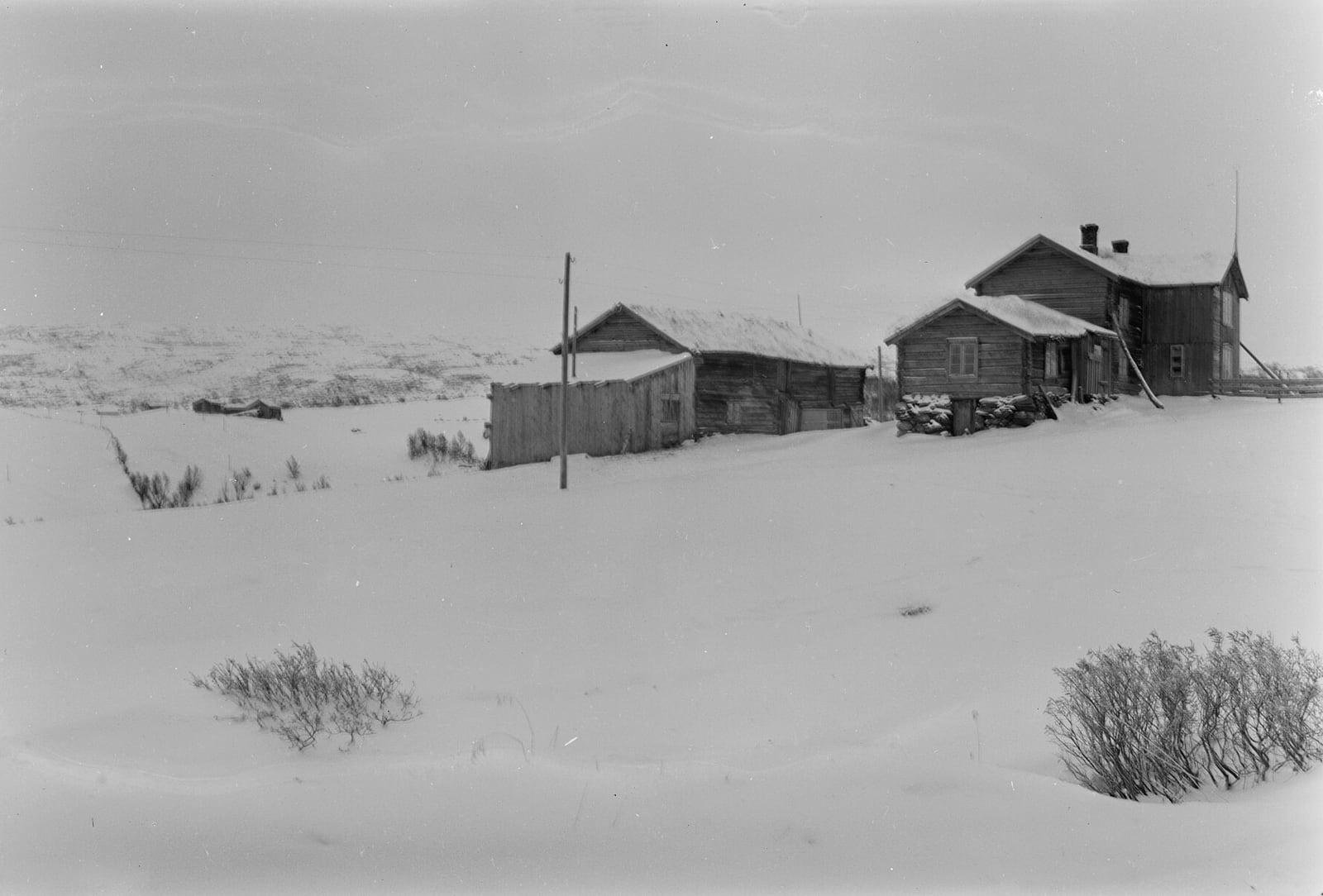
Sources: Om fenomenetProject Hessdalen 1984: Final Technical Report
Lights before the lights
Project Hessdalen later collected memories of lights here from long before anyone talked of UFOs: two girls at a cabin on Lake Øyungen in August 1967 who saw a light “like a house on fire” and ran all the way home to Ålen, the municipality’s main village, a man in Ålen who in 1967 and 1969 saw a light like a floodlight, a woman who in 1976 watched what looked like a flattened oval moon drifting down the Grøtådalen valley. On December 4, 1980, Halvard Bakås watched a light that through binoculars “looked like a window with four or six panes.” Peder Skogaas, a farmer near Øyungen, told Aftenposten in 2008 that lights there had been known since the war, blamed first on the Germans and then on Russian prisoners of war on the run.
Sources: Observasjoner 1967Observasjoner 1976Mange UFO-observasjoner i HessdalenHessdalen X-Files
The winter the lights came
The story usually begins on the cold night of December 8, 1981, when Åge and Ruth Marry Moe saw “a burning fireball” from their kitchen window. That is the date in later tellings such as Norwegian Wikipedia, citing coverage of Ivar Kvaal’s 2018 book on the valley; the state broadcaster NRK, in 2007, put the fireball a year later, Erling Strand of Project Hessdalen has written that the lights began in late November 1981, and the project’s 1984 report says only that the reports began in December. The project’s log for that month records that on Sunday, December 20, the freelance journalist Nils Kåre Nesvold, out in his bright green 1966 Ford Cortina near Nesvollen, saw something that “looks like an oval moon that shines like a light bulb, below the ridge,” and fetched a friend by walkie-talkie to witness it. The same evening Halvard Bakås watched a light on Vårhuskjølen that he first took for a snowmobile. By January the reports were coming in at up to twenty a week, and on January 15, 1982, the Røros paper Arbeidets Rett printed the first local UFO story: fourteen-year-old Torfinn Barstad had watched a light stop in the air a few hundred meters from him over Hådalen. “The light was as sharp as looking straight into a thousand-watt bulb from a meter away,” he said. “I won’t hide that I was scared. Not just scared, terribly scared.” It hung still, the size of a large house, and then was gone over the hill “like a shot.”
Sources: Observasjoner 1981UFO over HådalenMystisk observasjon: – Vet ikke hva dette erFenomenet HessdalenUsing an “Unknown Mystery” as a Case for Teaching Students ICTProject Hessdalen 1984: Final Technical Report
Windows like an old house
Witnesses described three kinds of light, the 1984 technical report summarized: small, strong white or blue flashes; yellow or yellow-white lights, often seen “just over the roof of the houses, or even down on the ground,” that could hang stationary for more than an hour before shooting off; and several lights held at a fixed distance from one another, “mostly two yellow or white lights with a red in front,” as if mounted on something dark; “many people,” the report noted, “talked about ‘The object.’” Some saw shapes: a bullet with its sharp end down, a ball as round as a football, an upside-down Christmas tree. In the night before Saturday, January 16, 1982, Åge Moe, Jon Arvid Aspås and Bjarne Lillevold watched up to four egg-shaped objects that, as Arbeidets Rett put it, “had four glass windows like on an older house”; Kolbjørn Stenødegård, head of NIVFO, a private UFO research institute in Trondheim, triangulated them as about the size of a house and eight to ten kilometers off. One of the three told the paper they saw light “from four windows,” and Jon Arvid Aspås drew them, though a note in the project’s log, taken from a neighbor who had not seen the objects, called the windows a journalist’s figure of speech. Martin Aspås, whose farm looked across the valley, told the paper in February: “They can go incredibly fast, and they can go slowly. Sometimes they can stop completely and then set off again at a colossal speed. They fly so low at times that we can see them against the mountainside on the other side of the valley.” He put the size of some of them at between seven and twelve meters, “and they have lights in front and behind.”
Sources: Project Hessdalen 1984: Final Technical ReportMange UFO-observasjoner i HessdalenFolkevandring til Hessdalen for å se UFOFjernsynet filmet UFO i HessdalenObservasjoner 1982
Crowds on the pass
Hessdalen became a pilgrimage. On the Monday evening after the egg-shaped objects were seen, Arbeidets Rett counted about fifty cars at once at Aspås and hundreds of people coming and going on Hessdalskjølen. On the night of January 21, a four-man patrol of the Home Guard went into the fells by snowmobile and on skis to look for the lights. An NRK television crew filmed for four days in February and, the local paper reported, saw the light themselves. The Bodø journalist Arne W. Wisth filmed an egg-shaped object with “a strange pulsating light” that came “whooshing silently” out of the dark and swung away from him and the NRK team only three or four hundred meters off. “It was almost as if it was afraid of us,” he said. His paper, Nordlandsposten in Bodø, reported that NASA had asked to analyze the film.
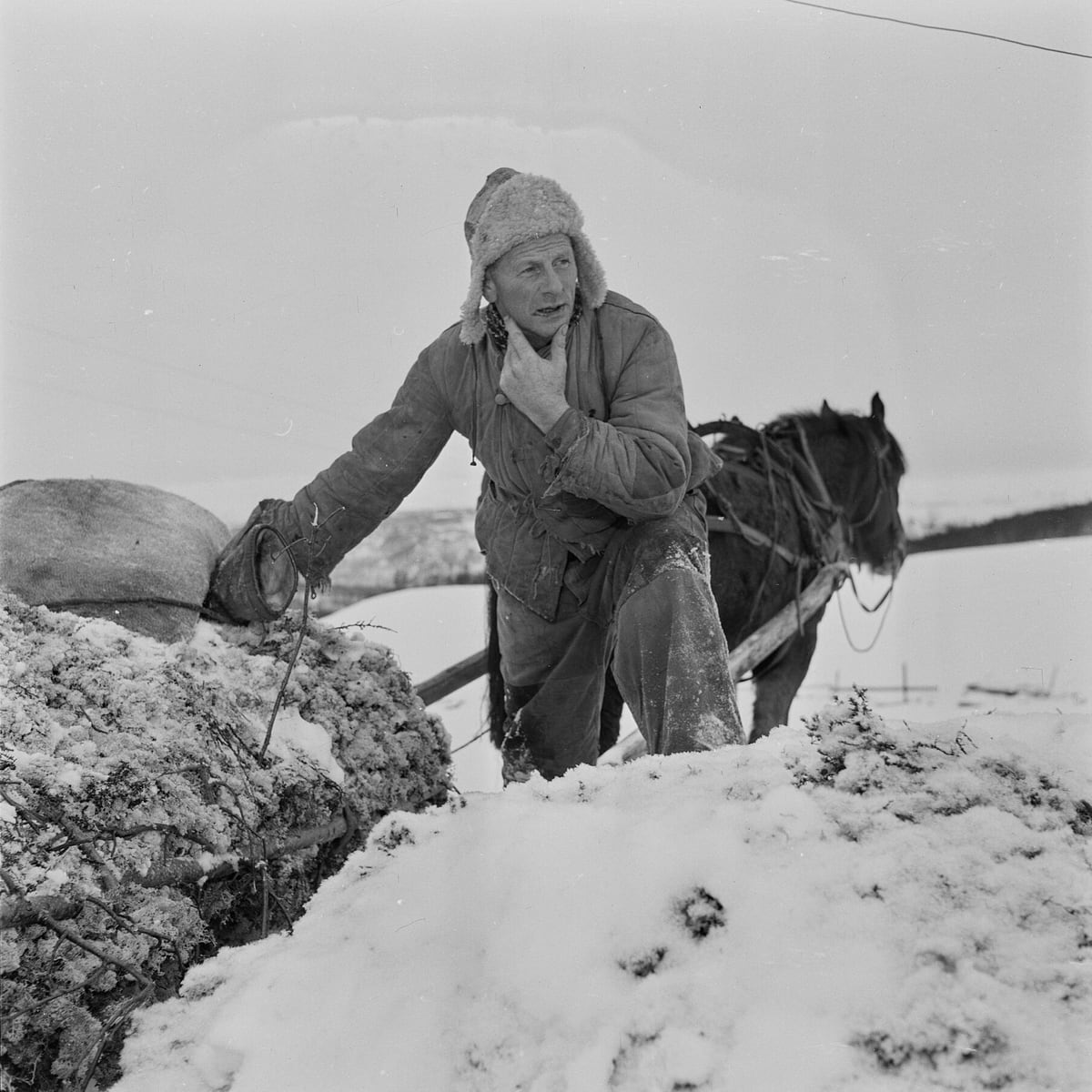
Sources: Folkevandring til Hessdalen for å se UFOUFO-observasjonFjernsynet filmet UFO i HessdalenUFO-filmen skal granskes av NASA
The Air Force takes a look
In March 1982 the story reached Oslo: the head of the Air Force’s Southern Norway command, Major General Eyvind Schibbye, sent two officers into the mountains and set up a direct line to the radar station at Gråkallen above Trondheim. One night, Captain Leif Voldseth of the Værnes air station told the Norwegian news agency NTB, observers saw five flying objects; Gråkallen could establish at once that four of them were aircraft, “while the fifth could not be identified.” It was, Schibbye said, the first time the armed forces had taken UFO reports seriously enough to send official observers. “This time a great many sensible people have seen strange phenomena in the sky, and of course we must have enough respect for serious people’s powers of observation to take them seriously.”
The Christmas tree by the cabin
The strangest accounts came from the Lillevold brothers, Ole, Lars and Bjarne, whom Arbeidets Rett called “probably the family that has seen the most UFOs in Norway.” Ole, sixty-five in 1984, a lifelong bachelor who had spent thirty-eight years on building sites from Australia to Vemork, had sixteen sightings on record. To see the lights, he advised, you needed a “Hessdalen neck”: “You mustn’t stare at the ground all the time, but let your gaze float over the horizon.” On the night of September 24, 1982, Bjarne was driving home from his shift at the Killingdal mine when he and a workmate saw a glowing object over the Hessdalen mountains. He took his moped up to Hessdalskjølen, and found it standing by a cabin. “At first I thought the cabin was on fire,” he wrote for the project’s log. “It looked like a Christmas tree with the top pointing down, and the object was bigger than the cabin next to it.” A large red light blinked at its front; it hung about four meters off the ground, and the light was so intense he could not look at it for long. “It went up and down like a yo-yo, and every time it came down towards the ground it was as if it disappeared, or became transparent. I could see a spruce through it.” On its flat top lay what looked like a layer of sheep’s wool, and it seemed to give off heat. “If I had been with someone, maybe I would have walked up to the object, but I didn’t dare when I was alone.” Other entries in the log that autumn describe a gray metallic cigar the size of an airliner seen by a bus driver at 7:40 in the morning, an object “almost like a loaf of bread” with a glass dome, and a light that moved like a burning flake of ash taken by the wind, with a hiss like high-voltage cables in wet weather.
Ridicule and a fortune-teller
Not everyone was charmed. The people of Hessdalen, the municipality’s own history of the phenomenon recalls, were mocked as country simpletons and accused of everything from heavy drinking of home-brewed spirits to hallucinations caused by inbreeding. Ruth Marry Moe remembered that even shopping at the cooperative in Ålen became an ordeal: the neighboring farm was called Aspås, and people said the stories were “new fairy tales from Aspås and Moe.” The villagers collected signatures demanding an official inquiry and handed them to the rural police chief in Holtålen, who replied that he could do nothing, since the UFOs had committed no crime. At a crowded public meeting in Ålen in March 1982, held by UFO-Norge, the country’s main civilian UFO group, the investigator Leif Havik answered the mockery: “I cannot believe that a hundred people from Hessdalen are mentally disturbed.” The circus grew. The local Labour women’s association ran a kiosk on the pass, and sent a thousand kroner of its profits to the cancer society. On the fourth day of Christmas 1982, a Swedish psychic predicted that the mystery would be solved that night, and a crowd streamed into the valley; an amateur pilot from Røros, the newspaper Østfoldposten reported, hung extra lights on his small plane and flew dangerously low through the valley. An amateur filmmaker from Østfold, Karl-Erik Olsen, who had come up to film the night, called it the story of “the UFO that turned into five hens.”
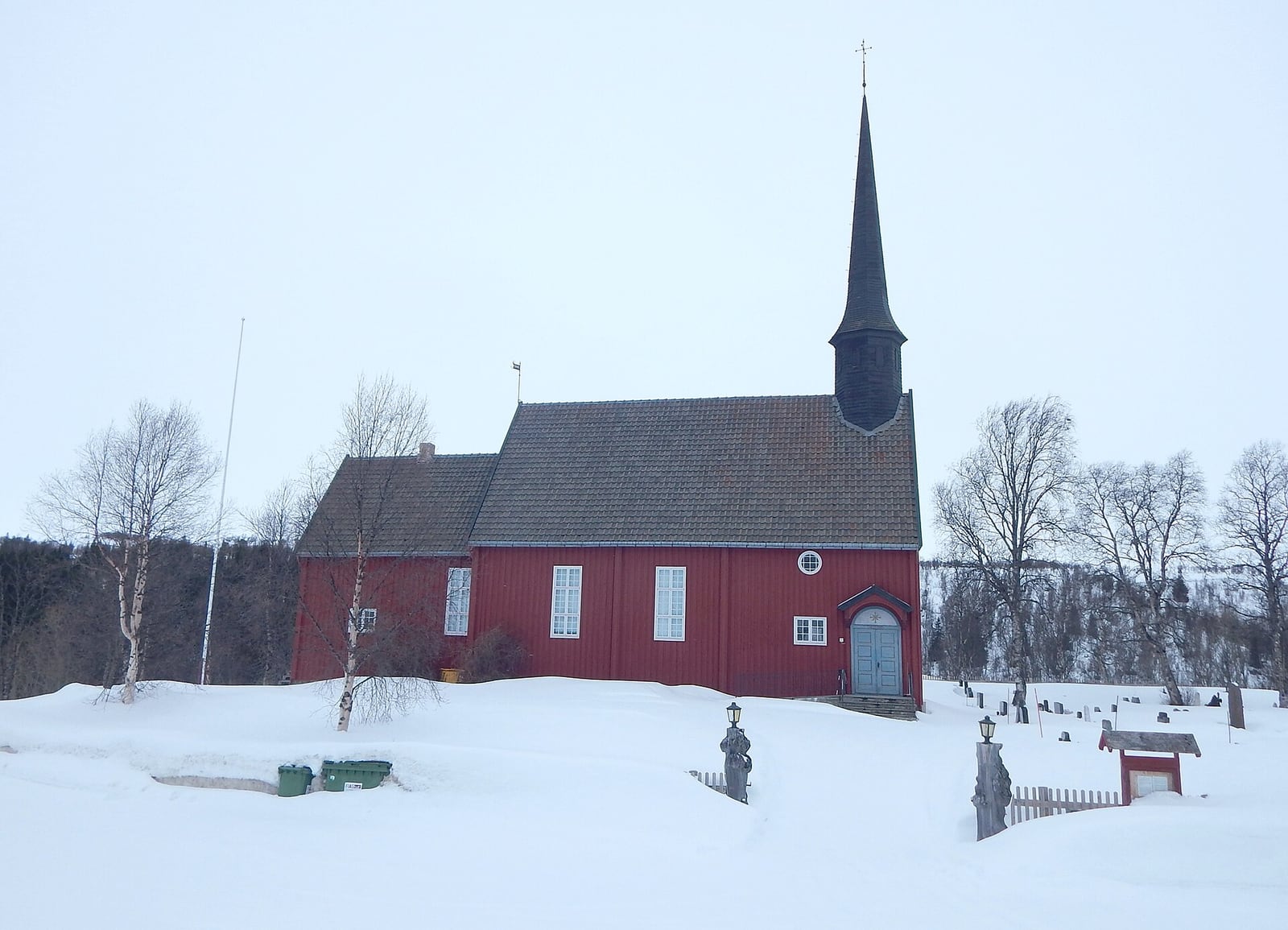
Sources: Om fenomenetUFO-møtet i ÅlenUFO-kioskenUFO’n som ble til fem høns
Project Hessdalen
Project Hessdalen was born on June 3, 1983, out of the civilian groups UFO-Norge and UFO-Sverige. Its working committee, Leif Havik, Odd-Gunnar Røed, Håkan Ekstrand, Jan Fjellander and the engineer Erling Strand, sent report forms to 3,300 households, and its advisory committee included the American astronomer J. Allen Hynek, the earth-lights writer Paul Devereux and Professor J. A. Tellefsen; the Norwegian Defence Research Establishment and the universities of Oslo and Bergen lent help and equipment. From January 21 to February 26, 1984, the volunteers lived in a caravan on Aspåskjølen, the ridge above the Aspås farm, and in field stations on Finnsåhøgda, Fjellbekkhøgda and Heggset, in temperatures Havik put at “minus 28 degrees and snow.” They brought cameras fitted with diffraction gratings to split the lights into spectra, a seismograph, a magnetometer, a spectrum analyzer, three Geiger counters, infrared viewers, a 3-centimeter Atlas radar and a small helium-neon laser. In five weeks they took 188 reports of lights. Most were aircraft, stars, cars; 53, they concluded, were “the Hessdalen phenomenon.”
Sources: Project Hessdalen 1984: Final Technical ReportProject Hessdalen’s first weeksProject Hessdalen
Echoes on the radar
The radar recorded 36 echoes; only three of them were probably also seen as lights. One night a light visible all the time to the watchers showed on the radar only on every second sweep, “as if,” the report wondered, “it might ‘react’ to radar waves.” A radar expert at the Defence Research Establishment, shown a photograph of one strong echo, said that if it was not a solid object, “the gas has to be locally and strongly ionised.” On January 27 at 10:58 p.m., Jon Aspås and Ruth Marry Moe saw a bright light streak northwest over Finnsåhøgda while Havik, at the radar screen, saw two echoes about 20 kilometers apart, 2.4 seconds apart: a speed of 8,000 to 9,000 meters a second.
The light that answered the laser
On Sunday, February 12, 1984, at 7:35 p.m., a light flashing in a steady rhythm moved slowly north past Finnsåhøgda. Kurt Persson watched it through binoculars and called out what he saw, “flash… flash… flash,” while Strand, out of his sight, aimed the laser. The moment the beam pointed at it, Strand wrote, the light changed to a regular double flash, “Flash.Flash…….Flash.Flash,” and went back to single flashes when he lowered it. They did it four times before it went out of sight. At 8:41 the same thing happened with a second light, four times out of five. “The results from the laser test are very surprising,” Strand wrote. “I personally thought that this test was only a coincidence. But we did also get a result, 8 out of 9 times.”
A red point in the snow
Eight days later, with the laser away in Oslo, a red point of light circled Leif Havik’s feet in the snow outside the caravan and vanished. When the farmer who had seen it with him, Åge Moe, was shown the laser on February 25, he said: “That’s exactly what I saw! But it was a little bit weaker.” No one in the valley was known to have a laser. “If I only had put my hand above it,” Havik said, “then I could have found out where it came from.” The report’s conclusion was modest: “We have not found out what this phenomenon is… But we know that the phenomenon, whatever it is, can be measured.”
Hynek in his tent
The wave was already fading. A second campaign in January 1985 produced only one good observation. J. Allen Hynek, now seventy-four, the astronomer who had been the U.S. Air Force’s scientific consultant on UFOs from 1948 until the end of Project Blue Book, came to Hessdalen at his own expense that month and called the observations made in the valley “unique.” “And of course the light itself turned up while I was here,” he told Arbeidets Rett. “It was sheer bad luck that I didn’t see it myself. I was in my tent getting something to eat when the light showed up.” Earlier that month NIVFO had published its own final report: its investigator Jan S. Krogh, who wrote that it was now almost impossible to get the people of Hessdalen, as a group, to believe the lights were anything but spaceships, concluded that “all reported phenomena in the area can be explained by conditions we know.” Havik said he took it “with a large pinch of salt”: NIVFO had barely been to the valley and had hardly seen the lights. After 1984 the sightings fell away, from twenty a week at the height to twenty or thirty a year by the 1990s. Some of the decline, the municipality’s history suggests, was silence: in a 1990 NRK radio documentary, villagers said they had decided together to stop talking about it.
Sources: Project Hessdalen 1984: Final Technical ReportHynek i HessdalenNIVFO: alle fenomener kan forklaresOm fenomenetProject Hessdalen
The Blue Box and the Italians
In 1993 the villagers asked Strand what came next, and in March 1994 the valley hosted an international workshop of 27 scientists from eight countries. On August 7, 1998, Strand, now teaching at Østfold University College, and his students set up an automatic measuring station in a blue container, soon known as the Blue Box, on Bjarne and Hallfrid Lillevold’s land on Rognefjellet, its camera watching Finnsåhøgda. Italian physicists from the radio astronomy station at Medicina joined Strand’s colleague Bjørn Gitle Hauge in a collaboration called EMBLA, with field missions in 2000, 2001 and 2002, and one of them, the astrophysicist Massimo Teodorani, published the most extravagant scientific claims yet in the Journal of Scientific Exploration in 2004. The lights, he wrote, radiated up to 19 kilowatts; they were clusters of smaller balls that grew and shrank in a self-regulating way; a large white ball could eject small green ones, a process “reminiscent of cellular multiplication”; “in all cases the light phenomenon turns off abruptly, as if by a switch.” Characteristics “consistent with a solid” were “strongly suspected,” and in soil near a close sighting at Vårhus the team found powder reading 20 microrads an hour, against a normal 4 to 9, and a perfectly spherical iron particle twenty microns across.
Sources: Project HessdalenOm fenomenetA Long-Term Scientific Survey of the Hessdalen Phenomenon
Headlights and scandium
The backlash came from inside. On the nights of August 6 and 7, 2002, Matteo Leone, an amateur from Italy’s own Hessdalen committee, stood beside the EMBLA team at Aspåskjølen as their blinking light reappeared, looked at it through a small refractor telescope, and “easily identified it as a pair of car headlamps” on a private road around Vårhuskjølen hill, about 2.2 kilometers away, blinking as it passed behind trees. It was the same light whose power Teodorani had first put at 100 kilowatts and then at 19, on the assumption that it was nine kilometers away. Teodorani dismissed the rebuttal and its authors; the feud ran through three papers and replies. Hauge took a different road. At a student science camp in September 2006, his pupils photographed the light through gratings, and in June 2007 he suggested that the spectra showed nitrogen, oxygen, iron, silicon, titanium and scandium, “a rare Norwegian metal,” that might be “the ignition mechanism”: dust from the valley, he proposed, igniting and hovering until its fuel burned out. The Trondheim paper Adresseavisen announced that the UFO mystery was solved; NRK quoted him on lights up to thirty meters across, “the size of a house,” and the hope that “if we figure it out, we may have solved the energy needs of the future.” The researchers later called their data contradictory.
Sources: A Rebuttal of the EMBLA 2002 Report on the Optical Survey in HessdalenA Long-Term Scientific Survey of the Hessdalen PhenomenonOptical Spectrum Analysis of the Hessdalen PhenomenonFenomenet HessdalenOm fenomenet
A valley-sized battery
In 2014 the Italian engineer Jader Monari proposed that the whole valley is a battery, with zinc and iron ores on one slope, copper on the other and the acidified Hesja between them; he and a colleague put stones on either bank of the river and drew enough current to light a bulb. The Norwegian physicist Bjørn Samset was unimpressed: “I haven’t seen any convincing computations,” he said, and “cold plasma is a self-contradiction in my book, almost like hot ice.” A 2024 geophysical survey found conductive sulfide zones tracing an ellipse of six by twelve kilometers under the valley, which, its authors wrote, could feed the lights.
Sources: Little Valley – a Giant Battery?Contribution of VLF Electromagnetic Survey to the Investigation of Hessdalen Lights (Norway)
Still watching
The lights never quite went away. In September 2016, a team from Østfold University College camped in the valley and saw something every night. The base chief, Christer Olofsson, described the first: “The light was like a big ball, all yellow. Suddenly it was as if something took hold of it and twisted it, and then the light changed through orange to strong red. It lasted four or five seconds before it collapsed in on itself and disappeared.” Hauge said he believed the explanation lay in the ground. Since 2002, school pupils and students have spent field weeks in Hessdalen with radios and cameras, and the valley now sells itself to tourists as a place of mystery. On Christmas Day 2025, at 2:39 in the afternoon, one of Project Hessdalen’s fixed cameras caught a faint light climbing a hillside for more than a minute and then vanishing. The team worked through the obvious explanations one by one: a drone would carry navigation lights, and such lights had been seen before drones existed; there is no road where it moved, and it passed over the treetops; snowmobiles in the area move more slowly and follow the ground. Days later the cameras recorded a known snowmobile, and the project plans to use both clips to build an alarm system for the next light. “For now it is unidentified,” the project’s manager, Fred Pallesen, told TV 2. “We are looking for natural explanations, but the most interesting observations are the ones that can’t be explained.”
Sources: Nå har også forskerne sett lyset i HessdalenUsing an “Unknown Mystery” as a Case for Teaching Students ICTMystisk observasjon: – Vet ikke hva dette erOm fenomenet
What survives
Few light phenomena have left such a paper trail. Project Hessdalen’s Final Technical Report of January 1985 is online in full, with its instrument logs, radar photographs and the laser test, and the project’s archive keeps the witness reports from 1967 onward in the witnesses’ own Norwegian, with English translations. The Røros paper Arbeidets Rett covered the wave week by week from January 1982, and its pages, along with the March 1982 NTB story of the Air Force observers, can be read in the Norwegian National Library’s digitized newspapers. Arne Wisth’s 1983 book UFO-mysteriet i Hessdalen, Jan S. Krogh’s NIVFO report of January 1985 and Havik and Strand’s 1987 book are in the National Library but not freely online. Wisth’s and NRK’s 1982 film, and photographs taken by villagers and by the project, have been reproduced in books and on television but are not freely licensed; the automatic station has recorded pictures and video since 1998, and the scientific literature runs from Teodorani’s 2004 survey through dusty-plasma models by the Brazilian physicists Gerson Paiva and Carlton Taft to the geophysical surveys of 2024.
Sources: Project Hessdalen 1984: Final Technical ReportObservasjoner 1981Observasjoner 1982Mange UFO-observasjoner i HessdalenForsvaret sender observatører til HessdalenA Long-Term Scientific Survey of the Hessdalen PhenomenonContribution of VLF Electromagnetic Survey to the Investigation of Hessdalen Lights (Norway)
What the instruments showed
The 1984 campaign recorded 36 radar echoes, three matched to visible lights; one radar track gave a speed of about 8,500 meters per second; one light showed on radar only on alternate sweeps. The spectrum analyzer recorded spikes about 80 MHz apart over several days, and four of ten strong light reports came almost exactly with a pulsation on the magnetometer, which the report allowed might be coincidence. The seismograph, the Geiger counters and the infrared viewers, used only twice and at long range, recorded nothing. The grating photographs, the report warned, “cannot be used as a proof.” The laser test, the most quoted result, rests on two runs on a single evening, with one man calling the flashes and another aiming the beam, and no controlled repetition has been published. The project’s later summaries remember some things more strongly than the 1984 report does, including spectra “characteristic of a solid object” and power failures as the lights arrived.
Sources: Project Hessdalen 1984: Final Technical ReportProject HessdalenProject Hessdalen
Explanations and objections
Skeptics have offered aircraft, cars and refraction. Brian Dunning of Skeptoid, drawing on a 2006 paper by the earth-lights researcher Marsha Adams, pointed in 2011 to an air corridor from the Tolga radio beacon that runs straight up the valley toward the automatic station; Matteo Leone identified at least one celebrated EMBLA light as headlights on Vårhuskjølen; NIVFO’s report of January 1985 concluded that every reported phenomenon had a known cause, and others blamed some lights on the trains of the Røros line. The researchers have caught their own mistakes: at a 2008 science camp, a pupil’s “UFO” turned out through binoculars to be a car. Against a purely conventional account stand the radar returns without visible lights, the lights seen low over roofs and fields from inside the valley, the fifth object of March 1982 that the Gråkallen radar could not identify as an aircraft, and the decades of camera recordings. The natural explanations proposed by the researchers, burning dust, dusty plasma from radon decay, a valley-sized battery, sulfide ore bodies, remain hypotheses; none has been shown to produce a glowing ball that hovers for an hour.
Sources: The Hessdalen LightsA Rebuttal of the EMBLA 2002 Report on the Optical Survey in HessdalenNIVFO: alle fenomener kan forklaresOm fenomenetHessdalen X-FilesMystisk observasjon: – Vet ikke hva dette erForsvaret sender observatører til HessdalenContribution of VLF Electromagnetic Survey to the Investigation of Hessdalen Lights (Norway)Little Valley – a Giant Battery?
Classification and evidence note
This archive files Hessdalen as a mass sighting: hundreds of people reported lights over the same valley over several winters, and many reported them repeatedly. It does not assign a close-encounter kind, because most reports describe distant lights; the few close accounts, such as Bjarne Lillevold’s, come from single witnesses. The documents establish that the lights were reported in large numbers from about December 1981, that the Norwegian Air Force sent observers in March 1982, when one of five objects seen in a night could not be identified as an aircraft, and that a volunteer project recorded radar echoes and a sequence of laser responses in February 1984. They do not establish what the lights are; some were certainly aircraft and cars.
Sources: Project Hessdalen 1984: Final Technical ReportForsvaret sender observatører til HessdalenObservasjoner 1982
- AUG 1967
Two girls at a cabin on Lake Øyungen see a light “like a house on fire” and run home to Ålen; it is one of the earliest reports later logged by Project Hessdalen.
- 8 DEC 1981
The date later tellings give for Åge and Ruth Marry Moe’s “burning fireball”; NRK puts it in December 1982.
- 20 DEC 1981
Journalist Nils Kåre Nesvold sees a light like “an oval moon” near Nesvollen; Halvard Bakås sees one on Vårhuskjølen.
- 11 JAN 1982
Fourteen-year-old Torfinn Barstad sees a light as bright as a thousand-watt bulb hang over Hådalen.
- 16 JAN 1982
Åge Moe, Jon Arvid Aspås and Bjarne Lillevold watch up to four egg-shaped objects with “windows.”
- 18 JAN 1982
About fifty cars at a time and hundreds of people gather on the pass to watch.
- 21 JAN 1982
A Home Guard patrol spends the night in the fells watching for the lights.
- FEB 1982
An NRK crew and Arne W. Wisth film a pulsating, egg-shaped light.
- MAR 1982
The Air Force sends two officers and links observers to the Gråkallen radar; of five objects seen one night, one cannot be identified as an aircraft.
- 24 SEP 1982
Bjarne Lillevold sees an upside-down “Christmas tree” bigger than a cabin bobbing by Hessdalskjølen.
- 28 DEC 1982
A Swedish psychic’s prediction draws a crowd; a pilot from Røros flies low through the valley with extra lights.
- 3 JUN 1983
Project Hessdalen is founded by UFO-Norge and UFO-Sverige.
- 21 JAN 1984
The project’s field campaign begins on Aspåskjølen.
- 27 JAN 1984
Radar times a light at 8,000 to 9,000 meters per second as two witnesses watch it cross Finnsåhøgda.
- 12 FEB 1984
A flashing light switches to a double flash when the laser is aimed at it, eight times out of nine across two lights.
- 20 FEB 1984
A red point of light circles Leif Havik’s feet outside the caravan while the laser is in Oslo.
- JAN 1985
NIVFO says every report can be explained; Strand’s final report says the phenomenon “can be measured.”
- 25 JAN 1985
J. Allen Hynek arrives in the valley, calls the sightings unique, and misses the light while eating in his tent.
- MAR 1994
The first international workshop on the Hessdalen lights meets in the valley.
- 7 AUG 1998
The automatic measuring station, the “Blue Box,” starts recording on Rognefjellet.
- AUG 2002
Matteo Leone identifies an EMBLA light through a telescope as car headlamps.
- 2004
Massimo Teodorani reports lights of up to 19 kilowatts that eject smaller balls.
- JUL 2007
Bjørn Gitle Hauge’s spectra suggest burning dust with scandium; the press announces the mystery solved.
- MAY 2014
Jader Monari’s “giant battery” hypothesis; a Norwegian physicist says cold plasma is “almost like hot ice.”
- SEP 2016
Østfold researchers see lights every night; one twists from yellow to red and collapses.
- 2024
A geophysical survey maps conductive sulfide zones under the valley.
- 25 DEC 2025
A station camera records an unidentified light climbing a hillside at 2:39 p.m.
Sources & interviews
Project Hessdalen 1984: Final Technical ReportErling Strand, Project Hessdalen (UFO-Norge and UFO-Sverige), signed January 5, 1985 · first printed by Tidsskriftet UFO, Bergen · Project Hessdalen archiveObservasjoner 1981Project Hessdalen’s log of witness reports for 1981, in the witnesses’ own Norwegian · Project Hessdalen archiveObservasjoner 1982Project Hessdalen’s log of witness reports for 1982, including Bjarne Lillevold’s account of September 24 · Project Hessdalen archiveObservasjoner 1967Project Hessdalen’s log of earlier reports from the district, beginning with the two girls at Lake Øyungen in August 1967 · Project Hessdalen archiveUFO over HådalenArbeidets Rett, Røros, January 15, 1982 · on fourteen-year-old Torfinn Barstad’s sighting of January 11 · NasjonalbiblioteketMange UFO-observasjoner i HessdalenNils Kåre Nesvold · Arbeidets Rett, Røros, January 18, 1982 · NasjonalbiblioteketFolkevandring til Hessdalen for å se UFONils Kåre Nesvold · Arbeidets Rett, Røros, January 20, 1982 · with Kolbjørn Stenødegård of NIVFO and the Moe, Aspås and Lillevold sighting · NasjonalbiblioteketObservasjoner 1976Project Hessdalen’s log of reports for 1976, with Inger Anne Krogstad’s sighting in Grøtådalen · Project Hessdalen archiveUFO-observasjonArbeidets Rett, Røros, January 22, 1982 · on the Home Guard patrol in the Hessdalen mountains · NasjonalbiblioteketFjernsynet filmet UFO i HessdalenArbeidets Rett, Røros, February 22, 1982 · with Martin Aspås · NasjonalbiblioteketUFO-filmen skal granskes av NASAKnut Hoff · Nordlandsposten, Bodø, March 8, 1982 · on Arne W. Wisth’s film · NasjonalbiblioteketForsvaret sender observatører til HessdalenNTB wire report, printed in Laagendalsposten, Nordlandsposten, Romsdals Budstikke and others, March 24, 1982 · NasjonalbiblioteketUFO-møtet i ÅlenArbeidets Rett, Røros, March 29, 1982 · on UFO-Norge’s public meeting, with Leif Havik · NasjonalbiblioteketUFO-kioskenArbeidets Rett, Røros, February 7, 1983 · on the kiosk run on Hessdalskjølen by the Hessdalen Arbeiderkvinneforening · NasjonalbiblioteketUFO’n som ble til fem hønsArbeidets Rett, Røros, January 12, 1983 · on the night the mystery was to be solved · NasjonalbiblioteketProject Hessdalen’s first weeksArbeidets Rett, Røros, February 10, 1984 · with Leif Havik · NasjonalbiblioteketOver kaffekoppen: Ole LillevoldArbeidets Rett, Røros, February 13, 1984 · NasjonalbiblioteketNIVFO: alle fenomener kan forklaresArbeidets Rett, Røros, January 9, 1985 · on Jan S. Krogh’s NIVFO report and Leif Havik’s reply · NasjonalbiblioteketHynek i HessdalenArbeidets Rett, Røros, January 30, 1985 · on J. Allen Hynek’s visit and the 1984 report · NasjonalbiblioteketOm fenomenetHessdalsfenomenet, the Holtålen municipality site on the phenomenon and its historyProject HessdalenErling Strand, article of 2000, updated 2003 · Project Hessdalen archiveProject HessdalenErling Strand, Østfold University College · April 2002 · Project Hessdalen archiveFenomenet HessdalenKarl Hans Johansen · NRK, July 16, 2007A Long-Term Scientific Survey of the Hessdalen PhenomenonMassimo Teodorani · Journal of Scientific Exploration 18, no. 2 (2004): 217–251 · Project Hessdalen archiveA Rebuttal of the EMBLA 2002 Report on the Optical Survey in HessdalenMatteo Leone · Comitato Italiano per il Progetto Hessdalen, 2003 · Internet Archive copyOptical Spectrum Analysis of the Hessdalen PhenomenonBjørn Gitle Hauge · Østfold University College, preliminary report, June 2007Using an “Unknown Mystery” as a Case for Teaching Students ICTErling P. Strand, Østfold University College, c. 2005 · on the Hessdalen Science Camps from 2002 · Project Hessdalen archiveHessdalen X-FilesIngrid Synnøve Torp · Aftenposten A-magasinet, Oslo, September 27, 2008Nå har også forskerne sett lyset i HessdalenNRK Trøndelag, September 15, 2016Little Valley – a Giant Battery?Arnfinn Christensen · ScienceNorway (forskning.no), May 13, 2014Contribution of VLF Electromagnetic Survey to the Investigation of Hessdalen Lights (Norway)G. N. Vargemezis, J. Zlotnicki, B. G. Hauge, A.-L. Kjøniksen and E. P. Strand · Journal of Applied Geophysics 226 (2024): 105398The Hessdalen LightsBrian Dunning · Skeptoid, episode 270, August 9, 2011Mystisk observasjon: – Vet ikke hva dette erLeslie Tangen · TV 2, January 13, 2026Spotted an error, or know a better source? Write to hello@uap.fun.
Connected files
The Lights that Hunted ColaresAnother remote community besieged by lights for months, and another air force that sent men to watch them.The Belgian UFO WaveA European wave at the end of the same decade, with lights in formation, radar contacts and an air force that took the reports seriously.The Rocket in Lake KölmjärvScandinavia’s earlier mystery in the sky, when the Swedish military investigated thousands of reports of ghost rockets.The Lights beside the Newspaper PlaneLights filmed at night, radar echoes that did not match what the eye saw, and a long argument over squid boats and planets.The Foo Fighters of the RhineBalls of light that seemed to pace and answer their observers, forty years before Hessdalen.Discuss this case
Compare notes with other readers: witness details, sources, and the parts that still do not add up.
Open the discussion