An island that collects legends
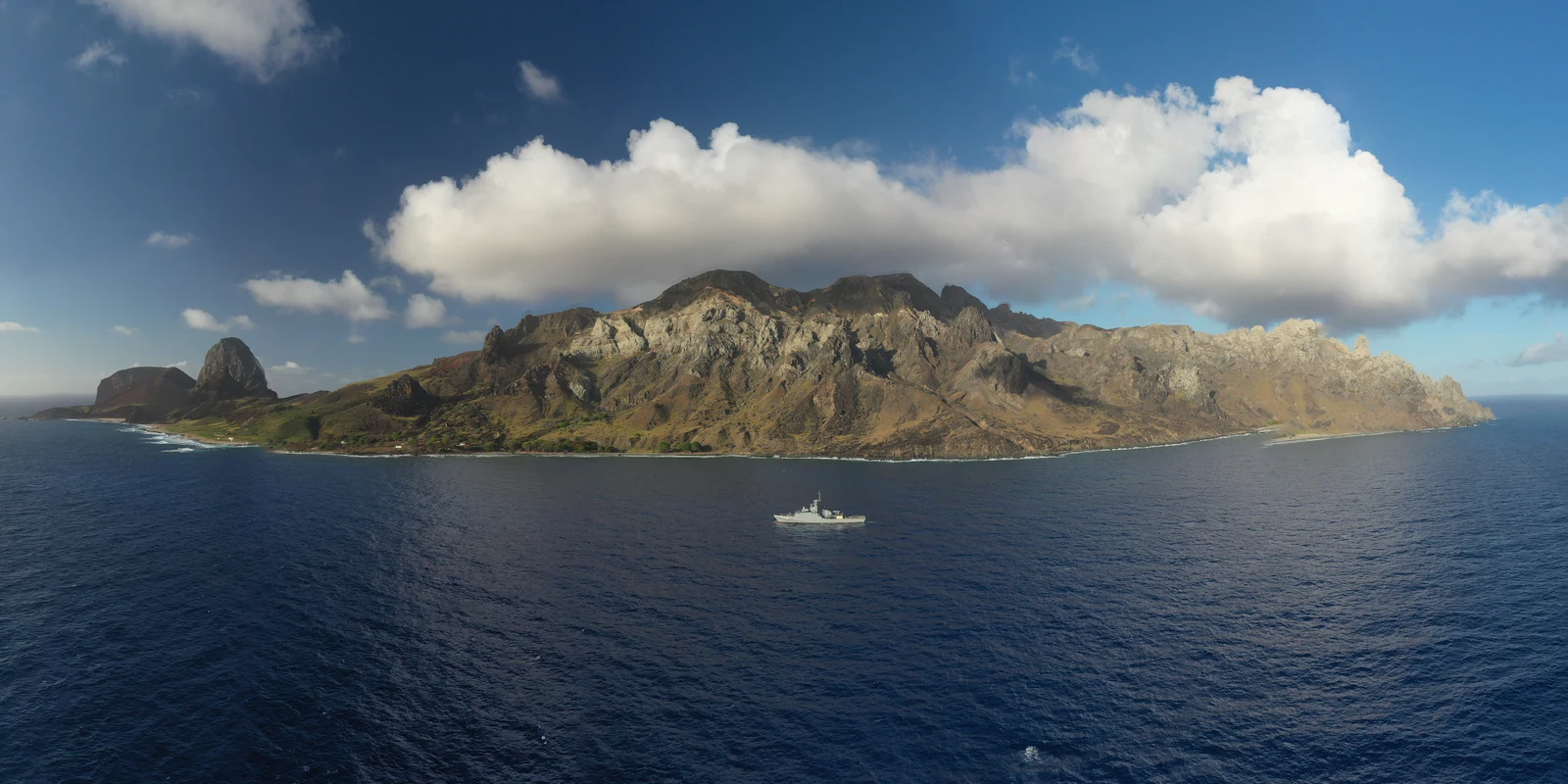
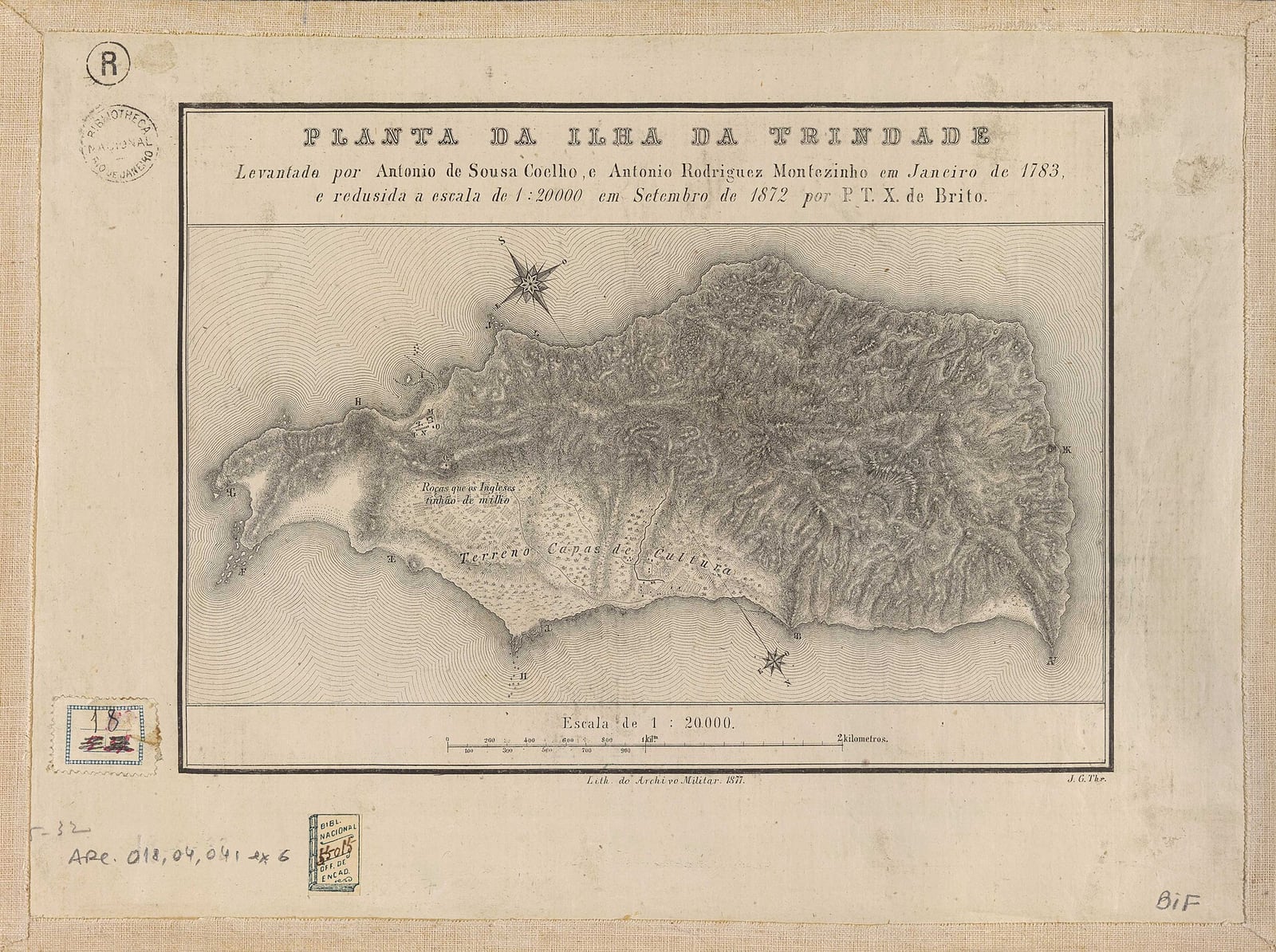
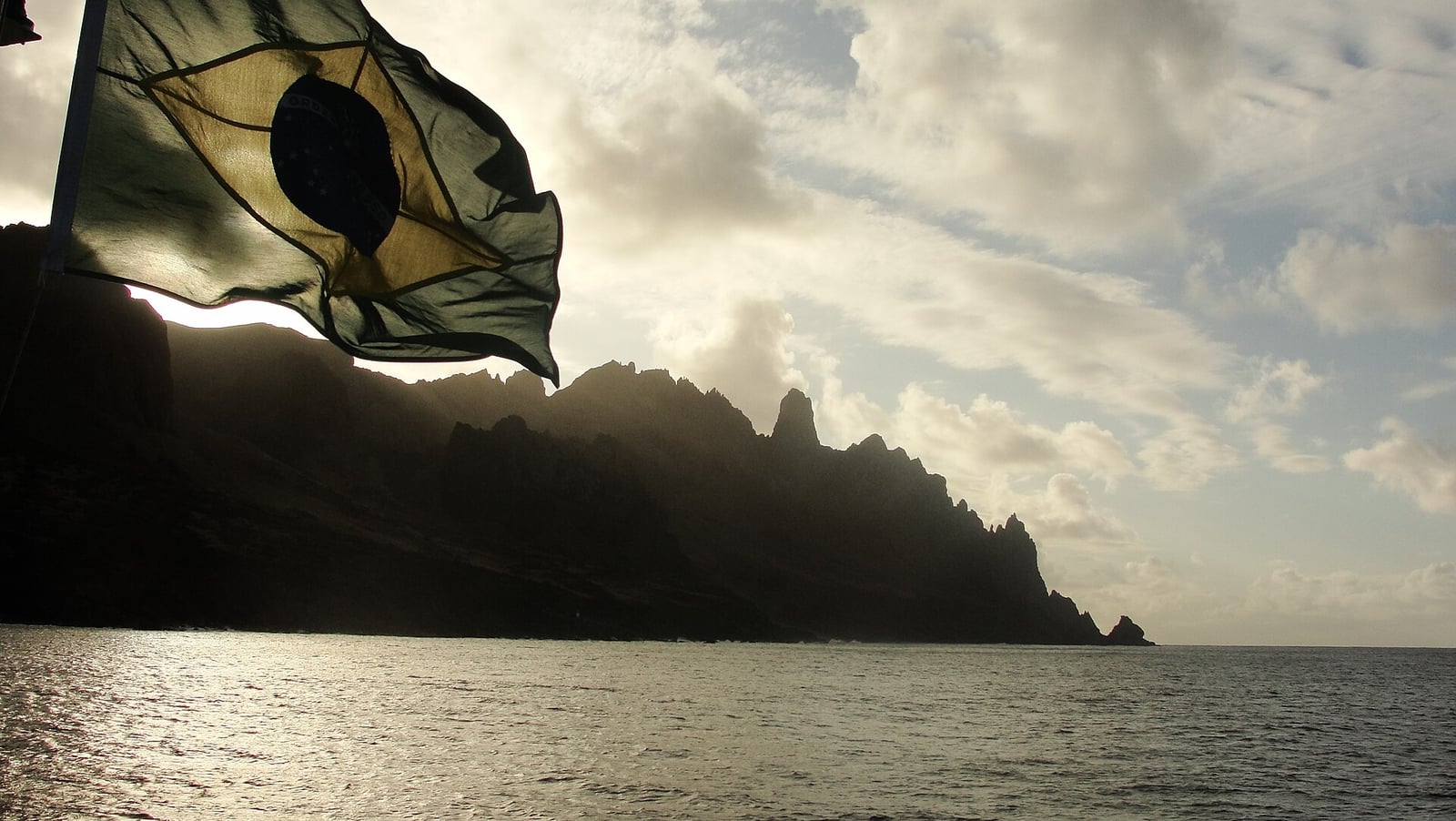
Trindade is the tip of an extinct volcano, about ten square kilometers of red and black rock, goats and wind, rising out of the South Atlantic some 1,100 kilometers east of the state of Espírito Santo. Portuguese navigators sighted it in the early 1500s. Edmund Halley landed in 1700 and claimed it for England. Its legend was treasure: in 1889 the English adventurer E. F. Knight sailed out on a little yawl called the Alerte with eight fellow gentlemen-adventurers who had each paid him £100 for a share and four paid hands, chasing church plate from Lima that pirates were said to have buried under the “Sugarloaf” in 1821. They dug for months and found nothing, and Knight’s book about it became a classic. In 1893 an American adventurer, James Harden-Hickey, proclaimed himself James I, Prince of Trinidad, the island’s English name, with stamps and a flag. Britain occupied the island in 1895 for a telegraph cable station, then gave it up to Brazil, which set up a sovereignty marker there in January 1897. By the 1950s it was empty except for birds, crabs and wild goats.
Sources: Trindade and Martim VazThe Cruise of the “Alerte”: The Narrative of a Search for Treasure on the Desert Island of Trinidad
Something like stainless steel
In 1957 the island got its first permanent garrison in decades. For the International Geophysical Year, the worldwide scientific campaign of 1957–58, the Brazilian Navy set up an oceanographic and weather post there, the Posto Oceanográfico da Ilha da Trindade, and rotated crews of officers, sailors and contract workers through it. The second garrison, of 44 men, was commanded from November 1, 1957, by Lieutenant Commander Carlos Alberto Ferreira Bacellar, who launched radiosonde balloons into the island sky almost every day. In his confidential end-of-command report, now online in the Navy archive, he recorded what happened next. At almost eight in the morning on December 31, the post doctor, a sailor and five workers saw an object shaped like “um elipsóide de revolução bem achatado, cor de aço inoxidável,” a very flattened ellipsoid the color of stainless steel, at about 1,600 meters, moving at dizzying speed “sem fazer qualquer ruído,” without making any noise. One worker said he had seen it on December 5 too and had not been taken seriously. Bacellar sent a coded radio message to the Navy General Staff in Rio. On New Year’s Day about twenty men saw it again; Bacellar, watching with them, thought it was a seagull and did not report it. On January 8, after a radiosonde balloon was lost at 14,000 meters, the theodolite held an object “branco e da forma de lua nova,” white and shaped like a new moon. In his written report he supposed it was the balloon itself; in Rio he described it to the inquiry as a bright half-moon that stayed in view for three and a half hours, and called it unexplained.
Sources: Relatório de fim de comissão: Posto Oceanográfico da Ilha da Trindade, 1º de novembro de 1957 a 16 de janeiro de 1958The A.P.R.O. Bulletin, January 1965Caso Ilha da Trindade: documentos sigilosos são revelados
Spearfishermen on a training ship
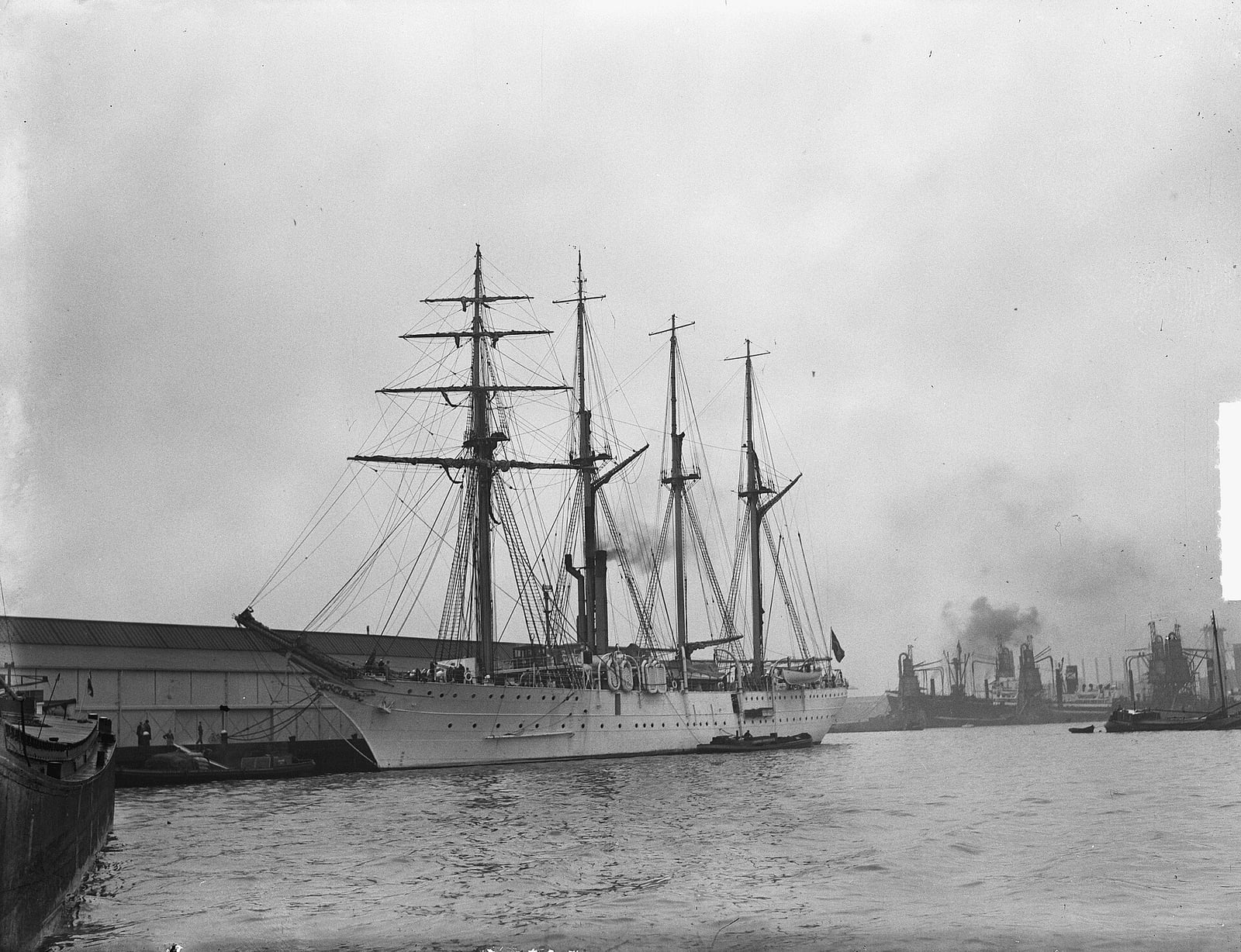
On January 8, 1958, the Navy’s four-masted training ship Almirante Saldanha left Rio for the island to relieve the garrison. Aboard, as guests, were members of the Clube de Caça Submarina de Icaraí, a spearfishing club from Icaraí, the beach district of Niterói across the bay from Rio: its president Amilar Vieira Filho, a foreign-trade official and South American spearfishing champion; José Teobaldo Viegas, a retired Air Force captain who taught at the Niterói flying club; two other members; and Almiro Baraúna, a Bahian-born former Army sergeant of about forty who was one of Brazil’s pioneer underwater photographers and had built his own waterproof camera housings. He had come, he said years later, “pra fazer fotografia submarina, e não de disco voador,” to take underwater photographs, not flying saucers. The sea was too rough to dive. Baraúna took seasickness pills and lay about the deck, seasick and headachy. Only afterward, he said, did the visitors learn that the thing had been seen over the island before.
Sources: The Trindade Island UFO photographs, Brazil, January 16, 1958Caso Ilha da Trindade: entrevista com o fotógrafo Almiro Baraúna em 1976Caso Ilha da Trindade: o depoimento mais antigo de Almiro BaraúnaCaso Ilha da Trindade: sobrinho de Almiro Baraúna afirma que as fotos são um truqueThe A.P.R.O. Bulletin, January 1965
Six frames in the confusion
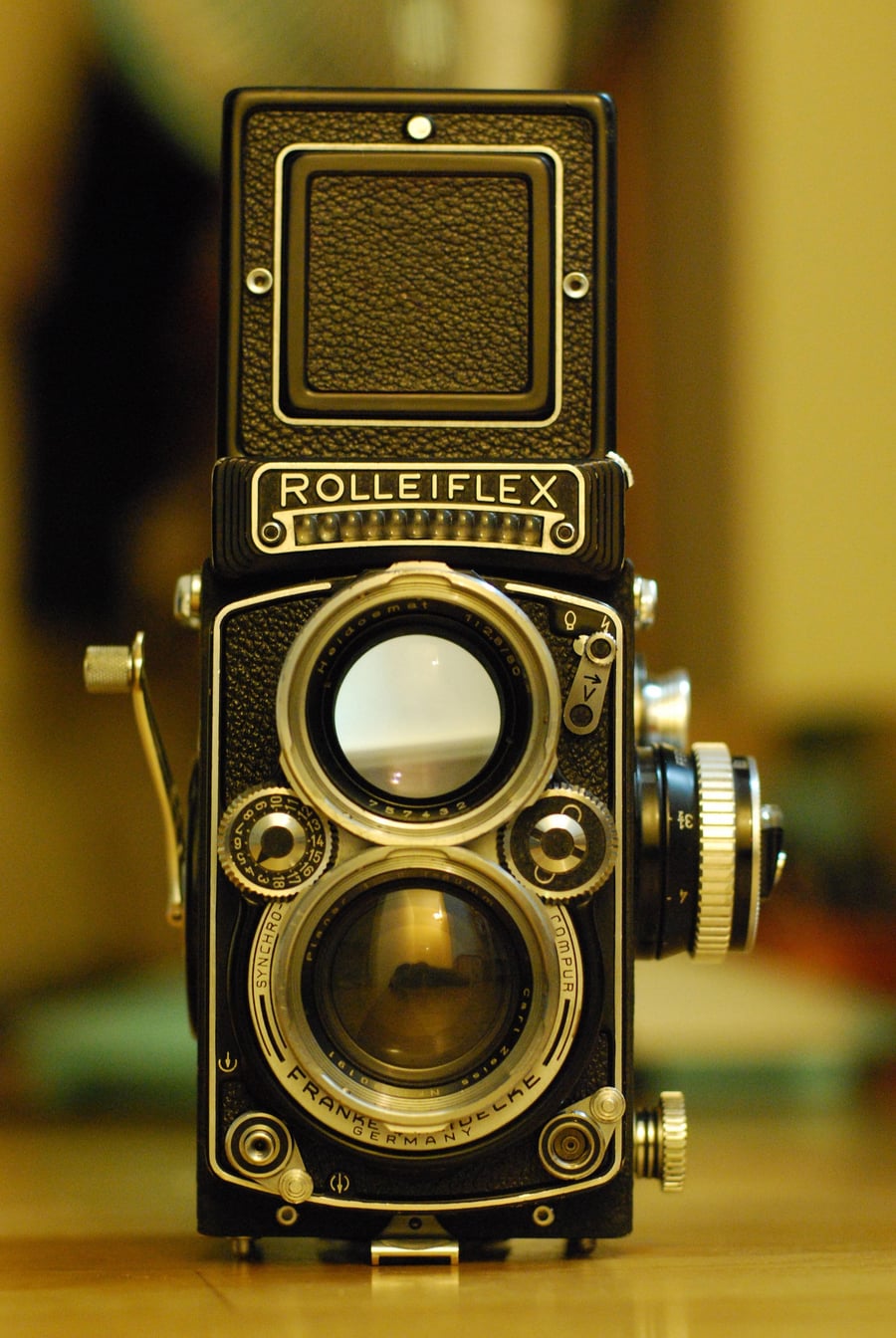
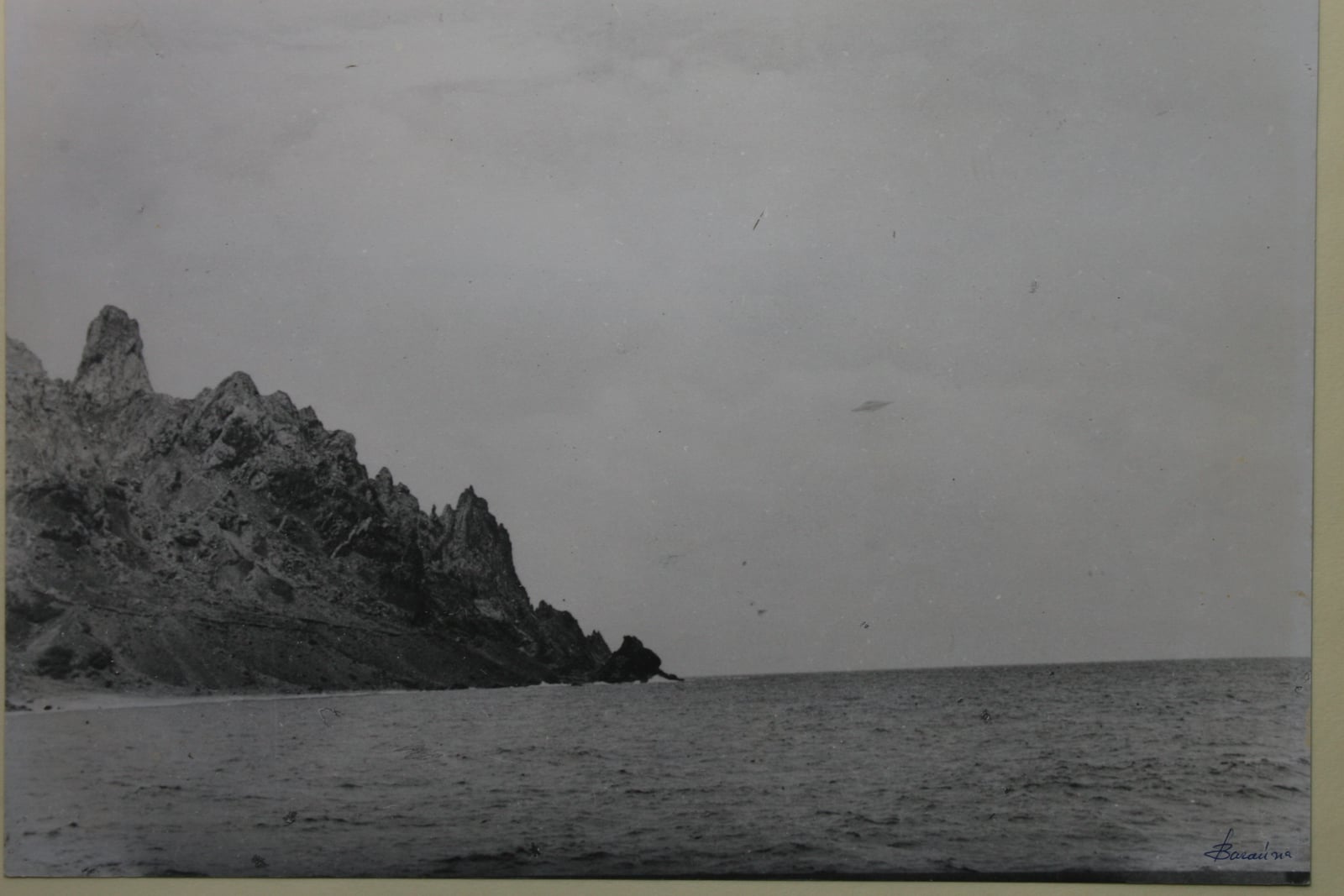
On the morning of January 16 the ship lay off the island, ready to sail home, hoisting in its launch. Bacellar had handed over his command and was in his cabin. Then the shout came. In Baraúna’s earliest long account, given to a Rio flying-saucer society in 1960, it was Viegas who called out to him, “Olhe, fotografe aquilo,” look, photograph that. In Viegas’s own version, told to the press in February 1958, Vieira Filho first pointed at what he took for a big seagull, and Viegas shouted “Flying saucer!” The ship’s dentist, Lieutenant Homero Ribeiro, came running and nearly fell over a cable. Baraúna had a Rolleiflex 2.8 E in an aluminum underwater housing, set at 1/125 of a second and f/8; his Leica with the long lens was down in the cabin. He lost thirty seconds finding the object in the viewfinder, he said, then shot as it crossed above the island’s ridge and came round again, near the crag called Crista do Galo, the Cockscomb. People were pulling and pushing him, and two of his six frames show only rock and sea. To him it was dark gray, wrapped in “a kind of condensation of a greenish, phosphorescent vapor,” and its flight was “like the flight of a bat.” Viegas saw “a flattened sphere encircled, at the equator, by a large ring or platform,” brighter than the moon. Vieira Filho called it gray and oval at first, then glowing with a light “do tipo fluorescente,” of the fluorescent kind. It was gone, by most accounts, within half a minute.
Sources: Caso Ilha da Trindade: o depoimento mais antigo de Almiro BaraúnaThe Trindade Island UFO photographs, Brazil, January 16, 1958The A.P.R.O. Bulletin, January 1965Trindade Island, Brazil, 1958: the photographic caseCaso Ilha da Trindade: documentos sigilosos são revelados
Ten minutes in the darkroom
Bacellar came up from his cabin to find “várias pessôas um pouco excitadas,” several somewhat excited people, Baraúna among the most excited. The film was to be developed on board at once. In his report Bacellar says he walked Baraúna to the ship’s darkroom but did not go in “devido ao forte calor,” because of the heat, and waited outside for the ten minutes the job took. Baraúna, Bacellar wrote, came out very nervous and thinking he had failed. Bacellar took the film, looked more closely and saw “em três negativos e em posições diferentes,” on three negatives and in different positions, “uma extranha mancha,” a strange spot. There was no photographic paper aboard to make prints, and the film stayed in Baraúna’s hands. The Navy inquiry noted that he went down in a T-shirt and shorts, and APRO later argued that he had nowhere to hide anything. The details of that hour would never stop shifting; by May, Bacellar himself was telling the magazine O Cruzeiro that Viegas had been inside the darkroom holding a flashlight.
Sources: Relatório de fim de comissão: Posto Oceanográfico da Ilha da Trindade, 1º de novembro de 1957 a 16 de janeiro de 1958The A.P.R.O. Bulletin, January 1965Caso da Ilha da TrindadeDocumento raro sobre o Caso Trindade ressurge no exteriorUAO Sightings at the Island of Trindade
Prints for the President
Back in Rio, Bacellar told his story to the Navy General Staff on January 27, and an intelligence officer, Lieutenant Commander José Geraldo Brandão, opened an inquiry. Baraúna said Bacellar came to his flat in Niterói two days after the ship docked, and that he himself printed enlargements on Navy-supplied paper, 38 of them by his count; the negatives went for four days to the aerial-survey service of the Cruzeiro do Sul company for a check. Confidential memos recommended a helicopter search of the island for landing marks, cameras kept loaded and an eye on the radar, compasses, lights and engines during any new sighting. Copies of the prints went to the other armed forces and, by an officer-messenger, to President Juscelino Kubitschek. The US naval attaché passed on press reports that Kubitschek was convinced. On February 15, by Baraúna’s account, Bacellar told him he could publish. Then Rio stopped for Carnival.
Sources: The A.P.R.O. Bulletin, January 1965The Trindade Island UFO photographs, Brazil, January 16, 1958Project Blue Book case file: 16 January 1958, Trinidade IslandCaso Ilha da Trindade: documentos sigilosos são reveladosCaso Ilha da Trindade: um ardil publicitário ou uma sólida evidência dos UFOs?
A great secret
Two days after Ash Wednesday, on February 21, 1958, the photographs were on the front of the Rio daily Correio da Manhã under the headline “Marinha de Guerra fotografou disco voador sobre Trindade,” the Navy photographed a flying saucer over Trindade. They were in O Jornal and other dailies too, and the Última Hora’s reporters had knocked on Baraúna’s door at three in the morning. “14 segundos foi o tempo que tive,” fourteen seconds was the time I had, he told them. How the prints got out is still argued: in a 1967 statement Baraúna said a Correio da Manhã reporter made off with copies meant for the President, and in his last interviews that Niomar Moniz Sodré Bittencourt, wife of the paper’s owner, borrowed them from Kubitschek herself. The Navy issued a careful note: it saw no reason to block the release of photographs taken “na presença de grande número de elementos da guarnição,” in the presence of a large part of the crew, but could not pronounce on the object, because the pictures were not proof enough. After seeing the President, the Navy minister, Admiral Antônio Alves Câmara, was quoted by United Press as saying the Navy had a great secret that it could not reveal because it could not be explained. Doubt came just as fast. Commander Paulo de Castro Moreira da Silva, head of geophysics at the Navy’s hydrography department and the senior scientist aboard, had told one paper the object was neither a weather balloon nor a guided missile; on February 26 he told O Globo he had seen nothing himself. Asked how many had, he said “umas oito,” about eight, and the only officer among them was the dentist. A Jornal do Brasil photographer standing near Baraúna saw nothing. On March 1 the geologist Fernando Flávio Marques de Almeida, who had been on the island itself, said nobody in the garrison had seen the saucer and that the news had caused perhaps a greater surprise there than anywhere.
Sources: Caso Ilha da Trindade: documentos sigilosos são reveladosCaso Ilha da Trindade: sobrinho de Almiro Baraúna afirma que as fotos são um truqueCaso Ilha da Trindade: um ardil publicitário ou uma sólida evidência dos UFOs?Documento raro sobre o Caso Trindade ressurge no exteriorProject Blue Book case file: 16 January 1958, Trinidade IslandTrindade Island, Brazil, 1958: the photographic caseCaso da Ilha da TrindadeFotógrafo de Trindade admite truque em entrevistaUAO Sightings at the Island of Trindade
For obvious reasons
On February 27 Sérgio Magalhães, a federal congressman from Rio, asked the Chamber of Deputies to demand the Navy’s file, noting that for the first time in flying-saucer history the phenomenon had been witnessed by large numbers of men of a military force. The minister answered on April 9 with a confidential official letter, Ofício 898, enclosing a copy of the inquiry. The matter had been kept secret until the inquiry was finished, he wrote, because the Navy could not lightly make public something that had happened on one of its ships, and “tratando-se de assunto controvertido, não deseja a Marinha a ele ligar-se, oficialmente, por motivos óbvios,” as the subject is controversial, the Navy does not wish to be officially linked to it, for obvious reasons. A week later the Correio da Manhã ran the leak anyway: “Inquérito da Marinha confirma existência do disco voador,” Navy inquiry confirms the existence of the flying saucer. The inquiry itself, in the translation APRO printed in 1965, was more guarded. It conceded three weak points: no copies were made when the film was developed, that the ship’s captain did not take charge of the negatives, and that all the prints were made in Baraúna’s own laboratory. The Cruzeiro do Sul technicians, it said, found no sign of a montage made after the sighting, but “it is impossible to prove either the existence or the nonexistence of a previous photomontage.” Oddly, the company’s superintendent had told O Globo in February that his firm had done no such work. Still, the report concluded, the testimony and the photographs gave “indications of the existence of unidentified aerial objects.”
Sources: Caso Ilha da Trindade: documentos sigilosos são reveladosCaso Trindade: CBU recupera documento oficial de 1958Project Blue Book case file: 16 January 1958, Trinidade IslandThe A.P.R.O. Bulletin, January 1965Caso Ilha da Trindade: sobrinho de Almiro Baraúna afirma que as fotos são um truque
Martians are comfort-loving creatures
The US naval attaché in Rio, Captain M. Sunderland, sent Washington his view on March 11. Baraúna, his report said, had “a long history of photographic trick shots,” and the object looked hazy, cast no shadow and appeared inverted in the second photograph. Either the Brazilian Navy was hiding something, or “the whole thing is a fake publicity stunt put on by a crooked photographer, and the Brazilian Navy fell for it.” He added a joke that became part of the case: a saucer would be unlikely over barren Trindade, “as everyone knows Martians are extremely comfort loving creatures.” Project Blue Book, the US Air Force’s UFO project, filed the case as a probable hoax on the strength of that report, while admitting on its own record card that it had never obtained copies of the photographs. J. Allen Hynek, the astronomer who had been Blue Book’s scientific consultant, later wrote that such bias and flippancy had no place in scientific investigation.
Sources: Project Blue Book case file: 16 January 1958, Trinidade IslandTrindade Island, Brazil, 1958: the photographic case
A flying saucer at my house
Sunderland was not guessing about the trick shots. On November 10, 1954, the Rio magazine Mundo Ilustrado had run a two-page feature with photographs by Baraúna under the title “Um disco voador esteve em minha casa,” a flying saucer was at my house, and the subtitle “Como se faz uma aeronave marciana,” how to make a Martian aircraft. It showed, step by step, how he had joined two tokens from Frota Carioca, the Rio–Niterói ferry line, flat face to flat face and stitched them together, photographed the little disc against a dark background and then, without winding on the film, exposed the same frame again at the beach at Icaraí. Such pictures, the text said, could never be proof of anything, because flying saucers were made at home too, with ferry tokens. Baraúna later said it had been a reply to O Cruzeiro’s famous saucer photographs of 1952 from Barra da Tijuca. Before Trindade he had also sold the Tribuna da Imprensa a four-part series of photographs of a pirate treasure supposedly found on an island off Espírito Santo, staged on the shore at Niterói with a chest and a skull borrowed from a medical school. In February 1958 Joaquim Simões, an amateur photographer from Baraúna’s own Niterói circle, called him an expert in photomontage “capaz de fazer milagres dentro de um laboratório,” able to work miracles in a darkroom. Baraúna answered that the photos were authentic, and that “acima de tudo está o testemunho das pessoas que assistiram aos fatos,” above all there was the testimony of the people who saw it happen.
Sources: Como forjar fotos OVNI, por Almiro BaraúnaFotógrafo de Trindade admite truque em entrevistaCaso Ilha da Trindade: sobrinho de Almiro Baraúna afirma que as fotos são um truqueProject Blue Book case file: 16 January 1958, Trinidade IslandCaso Ilha da Trindade: documentos sigilosos são reveladosCaso Ilha da Trindade: o depoimento mais antigo de Almiro Baraúna
The finest record, and how it grew
The civilian UFO groups took the photographs seriously. Olavo Fontes, a Rio doctor who represented the American Aerial Phenomena Research Organization, had heard of the sightings from a naval officer by February 4 and wrote the case up in three parts in 1960; APRO’s photo analyst John Hopf, working from prints, called them “without a doubt the finest record of a UAO to come into my hands.” In 1964 an anonymous former Navy officer mailed APRO the General Staff’s papers, and in January 1965 the group printed the inquiry in English. Donald Menzel, the Harvard astronomer and leading debunker, first suggested an airplane in fog, then called it an almost certain hoax, a model shot against a dark background and double-exposed. Baraúna, meanwhile, told the story for forty years, and it grew. In 1960 the object had left a white trail “como um risco de giz,” like a chalk line; the winches had jammed, the ship’s radio and compass had failed, an officer had filmed fourteen feet of movie film, radar had caught it the day before and again a quarter of an hour before it appeared, some fifty people had watched, and a fifty-fold enlargement showed two dark spots that bigger, retouched enlargements turned into “escotilhas,” portholes. The Correio da Manhã had denied in February 1958 that anyone filmed it, and Baraúna had then told Última Hora that the radar caught nothing. In a 1967 statement he wrote that the Navy had sounded him out about how much he wanted not to publish. In 1983, sitting with Hynek at a congress in Brasília, he said the ship lost all power, that the Navy had sent his pictures to Kodak in Rochester, and that a newspaper photographer on deck was so excited he wet his pants. No Navy paper mentions Kodak. In a 1997 interview with the ufologist Marco Antônio Petit, Baraúna laughed about the treasure series, “Foi um sucesso espetacular – e era truque,” a spectacular success, and a trick, and insisted it had nothing to do with Trindade. He died on July 29, 2000.
Sources: UAO Sightings at the Island of TrindadeThe A.P.R.O. Bulletin, January 1965The World of Flying SaucersTrindade Island UFO RevisitedCaso Ilha da Trindade: o depoimento mais antigo de Almiro BaraúnaThe Trindade Island UFO photographs, Brazil, January 16, 1958Documento raro sobre o Caso Trindade ressurge no exteriorCaso Ilha da Trindade: documentos sigilosos são reveladosFotógrafo de Trindade admite truque em entrevistaTrindade Island, Brazil, 1958: the photographic caseCaso Ilha da Trindade: um ardil publicitário ou uma sólida evidência dos UFOs?
Two spoons, a ferry token and a widow’s negatives
Ten years after his death, on August 15, 2010, TV Globo’s Fantástico put an advertising professional, Emília Bittencourt, on air. She said that on a visit to Baraúna at Saquarema about eighteen years earlier he had shown her how it was done: “Pegou duas colheres de cozinha, de metal, juntou,” he took two metal kitchen spoons and put them together, used his refrigerator as a backdrop, lit it with a lamp, and laughed a lot. The program said a niece who kept his archive confirmed the fraud; within hours, through the ufologist José Américo Medeiros, the niece denied it, and said her uncle used to laugh at people who thought the pictures were faked. In January 2011 Marcelo Ribeiro, a photographer and a nephew by marriage, told the researcher Alexandre Borges a different version: Baraúna had used up his film under water, pretended to shoot while the others pointed, photographed the island once the thing was gone, and back in Niterói double-exposed a polished Frota Carioca token hung on black thread. “Aquilo não é verdade,” that isn’t true, Ribeiro said, “até porque disco voador não existe,” besides, flying saucers don’t exist. The two confessions disagree with each other, and Ribeiro’s cannot easily be squared with Bacellar finding the spot on the freshly developed negatives. Amilar Vieira Filho, who died in 2008, had told Borges in 2003, “eu vi o objeto e não vou fugir disso nunca,” I saw the object and I will never back away from that; it could even be, he allowed, that Baraúna had played some trick, but if so it was a trick of something they had really seen in the sky. Baraúna’s widow told Borges the same year that she had the negatives. She would not let them go.
Sources: Família de fotógrafo revela verdade sobre fotos de óvnis em TrindadeFotógrafo de Trindade admite truque em entrevistaCaso Ilha da Trindade: sobrinho de Almiro Baraúna afirma que as fotos são um truqueCaso Ilha da Trindade: documentos sigilosos são reveladosETs no ES? O dia em que um OVNI foi “avistado” na Ilha da Trindade
What survives
Four frames show the object and two show only island and sea. The prints have circulated since 1958, but the original negatives, after four days with the Cruzeiro do Sul technicians, were never kept by the Navy or released for independent study; Baraúna sold rights to O Cruzeiro and his widow kept the film. The documentary record is unusually rich for a 1950s case. Bacellar’s confidential end-of-command report, with the December and January sightings and his own account of the darkroom, is scanned in the Navy archive. The General Staff’s inquiry signed by José Geraldo Brandão is known from the English translation APRO printed in January 1965; the Portuguese copy could not be found in the Navy documentation service in 2011. The minister’s Ofício 898 to the Chamber of Deputies survives. Project Blue Book’s 54-page file holds the US attaché’s report, and the Rio papers of February to April 1958 carry dozens of interviews, now partly republished by Brazilian researchers.
Sources: Relatório de fim de comissão: Posto Oceanográfico da Ilha da Trindade, 1º de novembro de 1957 a 16 de janeiro de 1958The A.P.R.O. Bulletin, January 1965Caso Ilha da Trindade: documentos sigilosos são reveladosProject Blue Book case file: 16 January 1958, Trinidade IslandTrindade Island case directoryCaso Ilha da Trindade: sobrinho de Almiro Baraúna afirma que as fotos são um truque
The contradictions
The time of the sighting is about 11:00 in Bacellar’s report and 12:15 in the inquiry. The witness count runs from “about eight” (Moreira da Silva) and fifteen depositions taken aboard by the ship’s captain to “almost a hundred” (Baraúna in February 1958), some fifty (Baraúna from 1960 on) and 48, a figure that appears in no 1958 source. Bacellar’s report has him waiting outside the darkroom, his May 1958 statement puts Viegas inside with a flashlight, Viegas told O Jornal the photographer was shut in with Bacellar, and O Globo headlined that the photographer was alone. Bacellar saw a spot on three negatives right after development; the Navy received four prints. How long the film waited is just as unsettled: Bacellar’s report implies straight away, his May statement says about an hour, Baraúna told the inquiry he held it for almost an hour, and in 1967 he wrote “cerca de vinte minutos,” about twenty minutes. The radar story moved from nothing (Última Hora, February 21, 1958) to a target the day before (O Cruzeiro, March 8), to the day before and a quarter of an hour before the sighting (1960), to four hours before (1997), and the ship’s power failure, the compass, the film camera and Kodak entered the story only later.
Sources: Relatório de fim de comissão: Posto Oceanográfico da Ilha da Trindade, 1º de novembro de 1957 a 16 de janeiro de 1958The A.P.R.O. Bulletin, January 1965Caso Ilha da Trindade: documentos sigilosos são reveladosCaso Ilha da Trindade: o depoimento mais antigo de Almiro BaraúnaDocumento raro sobre o Caso Trindade ressurge no exteriorCaso da Ilha da TrindadeThe Trindade Island UFO photographs, Brazil, January 16, 1958UAO Sightings at the Island of Trindade
Explanations and objections
The leading explanation is a double exposure prepared in advance, as Baraúna himself had demonstrated in 1954; the inquiry admitted it could not rule that out, and the confessions of 2010 and 2011 point the same way, though with different props. Analysts from the US naval attaché in 1958 to Martin Powell and Kentaro Mori have argued that the object in the second photograph is essentially the first one turned over, which would be odd for a real object and easy for a model; Powell also compared its outline to a Beechcraft Twin Bonanza. Menzel at first suggested an airplane in fog. Rodrigo Moura Visoni, an Air Force archivist whose logbook research led to a crewman on deck who saw nothing, proposes that Baraúna really photographed a passing seagull and, printing at home, swapped in a model saucer and made new negatives. Against all this stand the Cruzeiro do Sul finding that no montage had been made after the sighting, Bacellar’s inspection of the film minutes after it was developed, the garrison’s sightings in the weeks before, Vieira Filho’s lifelong insistence, and the analysts, among them Hopf and, in 1978, the Arizona group Ground Saucer Watch, who judged the prints consistent with a real object. Martin Shough has worked out where the camera stood from the deck fittings in the frames and the ship’s plans.
Sources: Como forjar fotos OVNI, por Almiro BaraúnaThe A.P.R.O. Bulletin, January 1965O OVNI da Ilha de Trindade: um estudo detalhado das fotografias 1 e 2Trindade Island case directoryThe World of Flying SaucersCaso Ilha de Trindade: de prova incontestável a fraude disputadaOVNI da Ilha de Trindade: uma farsa?Caso Ilha da Trindade: sobrinho de Almiro Baraúna afirma que as fotos são um truqueThe Trindade Island Photographs, 16 Jan 1958UAO Sightings at the Island of Trindade
Classification and evidence note
This archive files Trindade as a military encounter: the sighting took place aboard a Navy ship on a Navy mission, with a Navy officer among the witnesses, and was investigated by the Navy General Staff. No close-encounter kind is assigned, because nobody described the object at close range. The case rests on photographs whose negatives were never independently examined, on the testimony of a handful of civilians and a dentist, and on a garrison’s earlier reports; it is also the rare UFO case in which the photographer had published his own method for faking such pictures four years before.
Sources: The A.P.R.O. Bulletin, January 1965Relatório de fim de comissão: Posto Oceanográfico da Ilha da Trindade, 1º de novembro de 1957 a 16 de janeiro de 1958Como forjar fotos OVNI, por Almiro Baraúna
- 1700
Edmund Halley lands on Trindade and claims it for England.
- 1889
E. F. Knight’s Alerte expedition digs for pirate treasure on the island and finds none.
- 1893
James Harden-Hickey proclaims himself Prince of Trinidad.
- 10 NOV 1954
Mundo Ilustrado shows how Baraúna faked flying-saucer photographs with ferry tokens.
- 1 NOV 1957
Lt. Cmdr. Carlos Alberto Bacellar takes command of the Navy’s oceanographic post on Trindade.
- 5 DEC 1957
A worker on the island sees a strange object, he later says, and is not taken seriously.
- 31 DEC 1957 · C. 8 AM
The post doctor, a sailor and five workers see a flattened, steel-colored object; Bacellar radios the Navy General Staff.
- 1 JAN 1958
About twenty men see something again; Bacellar thinks it is a seagull.
- 8 JAN 1958
A white crescent-shaped object appears in the theodolite after a balloon is lost; Bacellar supposes it is the balloon.
- 8 JAN 1958 · RIO
The Almirante Saldanha sails for the island with the Icaraí spearfishing club aboard.
- 16 JAN 1958 · LATE MORNING
Baraúna photographs a ringed object over the island from the ship’s deck; the film is developed on board.
- 27 JAN 1958
Bacellar testifies to the Navy General Staff; an intelligence officer opens an inquiry.
- 6 FEB 1958
A confidential memo recommends a helicopter search of the island and cameras kept ready.
- 21 FEB 1958
The photographs appear on the front pages of Rio’s newspapers.
- 22–26 FEB 1958
The Navy says the pictures are not proof; the minister is quoted on a “great secret”; the senior scientist aboard says he saw nothing.
- 27 FEB 1958
Congressman Sérgio Magalhães asks the Chamber of Deputies to demand the Navy’s file.
- 1 MAR 1958
The geologist who was on the island says nobody in the garrison saw the saucer.
- 8 MAR 1958
O Cruzeiro publishes Baraúna’s full account.
- 11 MAR 1958
The US naval attaché calls Baraúna a trick photographer and suggests a publicity stunt; Project Blue Book later files the case as a probable hoax.
- 9 APR 1958
The Navy minister sends the inquiry to Congress, saying the Navy does not wish to be officially linked to the matter.
- 16 APR 1958
The Correio da Manhã reports that the Navy inquiry confirms the flying saucer.
- 1960
Olavo Fontes’s three-part report runs in the APRO Bulletin; Baraúna tells a Rio flying-saucer society of radar, portholes and jammed winches.
- JAN 1965
APRO prints the leaked Navy inquiry in English.
- 1983
Baraúna tells J. Allen Hynek his story in Brasília.
- 1997
Baraúna tells Marco Antônio Petit his old treasure photographs were a trick, but that Trindade was another matter.
- 29 JUL 2000
Almiro Baraúna dies.
- 15 AUG 2010
Fantástico airs Emília Bittencourt’s account of two kitchen spoons.
- JAN 2011
Nephew Marcelo Ribeiro tells Alexandre Borges the saucer was a ferry token.
Sources & interviews
Relatório de fim de comissão: Posto Oceanográfico da Ilha da Trindade, 1º de novembro de 1957 a 16 de janeiro de 1958Capitão de corveta Carlos Alberto Ferreira Bacellar · confidential end-of-command report, Brazilian Navy · Arquivo da Marinha, Diretoria do Patrimônio Histórico e Documentação da Marinha (scanned PDF)The A.P.R.O. Bulletin, January 1965Aerial Phenomena Research Organization, Tucson · English translation of the Brazilian Navy General Staff’s Trindade papers and report, leaked in 1964 · Internet ArchiveIGY Team Snaps UFOThe A.P.R.O. Bulletin, March 1958 · Internet ArchiveUAO Sightings at the Island of TrindadeOlavo T. Fontes, with John T. Hopf’s photographic analysis · The A.P.R.O. Bulletin, May 1960 (the series ran January–May 1960) · Internet ArchiveProject Blue Book case file: 16 January 1958, Trinidade IslandUS Air Force · 54 pages, with Office of Naval Intelligence Information Report 39-58 by the US naval attaché in Rio de Janeiro, March 11, 1958 · The Black VaultCaso Ilha da Trindade: documentos sigilosos são reveladosAlexandre de Carvalho Borges · Além da Ciência · May 6, 2011 · from Navy archive copies and the 1958 Rio pressCaso Ilha da Trindade: um ardil publicitário ou uma sólida evidência dos UFOs?Alexandre de Carvalho Borges · Além da CiênciaCaso Ilha da Trindade: sobrinho de Almiro Baraúna afirma que as fotos são um truqueAlexandre de Carvalho Borges · Além da Ciência · February 2, 2011Caso Ilha da Trindade: o depoimento mais antigo de Almiro BaraúnaAlexandre de Carvalho Borges · Além da Ciência · May 23, 2011 · Baraúna’s talk to the SBEDV, May 3, 1960Caso Ilha da Trindade: entrevista com o fotógrafo Almiro Baraúna em 1976Alexandre de Carvalho Borges · Além da Ciência · transcript of Globo Repórter, TV Globo, July 1976The Trindade Island UFO photographs, Brazil, January 16, 1958Patrick Gross · UFOs at Close Sight · with English translations of O Cruzeiro, March 8, 1958, and the 1983 Hynek interviewTrindade Island, Brazil, 1958: the photographic casePatrick Gross · UFOs at Close Sight · Pocantico workshop summary, with the ONI report and Hynek’s commentComo forjar fotos OVNI, por Almiro BaraúnaKentaro Mori · Ceticismo Aberto · January 17, 2008 · reprinting Mundo Ilustrado no. 93, November 10, 1954Fotógrafo de Trindade admite truque em entrevistaCeticismo Aberto · 2010 · on the 1997 Marco Antônio Petit interview and the Fantástico reportTrindade Island case directoryKentaro Mori · Ceticismo Aberto · research directory, October 2006O OVNI da Ilha de Trindade: um estudo detalhado das fotografias 1 e 2Martin J. Powell · Ceticismo Aberto · Portuguese translation of his study in Unopened Files no. 11, 1999Família de fotógrafo revela verdade sobre fotos de óvnis em TrindadeGazeta do Povo · August 2010 · on the Fantástico report of August 15, 2010Caso Ilha de Trindade: de prova incontestável a fraude disputadaVigília · with Rodrigo Moura Visoni’s logbook researchDocumento raro sobre o Caso Trindade ressurge no exteriorA. J. Gevaerd and J. Antonio Huneeus · Revista UFO · August 31, 2010 · on Baraúna’s typed statement of January 30, 1967, via Colman von KeviczyCaso Trindade: CBU recupera documento oficial de 1958Revista UFO · on Deputy Sérgio Magalhães’s request no. 2957/58 to the Chamber of DeputiesTrindade Island UFO RevisitedKevin Randle · A Different Perspective · August 2010The Trindade Island Photographs, 16 Jan 1958Martin Shough · photographic analysisOVNI da Ilha de Trindade: uma farsa?Rodrigo Moura Visoni · OVNI Pesquisa no. 22, January 2025, pp. 18–22 · Wikimedia Commons (CC0)The World of Flying SaucersDonald H. Menzel and Lyle G. Boyd · Doubleday, 1963 · Wikimedia CommonsETs no ES? O dia em que um OVNI foi “avistado” na Ilha da TrindadeA Gazeta, Vitória · CapixapédiaETs no ES? O dia em que um OVNI foi “avistado” na Ilha da TrindadeA Gazeta · YouTubeO “Disco-Voador” da Ilha da Trindade (1958)Canal Memória · YouTubeThe Cruise of the “Alerte”: The Narrative of a Search for Treasure on the Desert Island of TrinidadE. F. Knight · Longmans, Green, London, 1890 · Project GutenbergCaso da Ilha da TrindadeWikipédia em portuguêsTrindade and Martim VazWikipediaSpotted an error, or know a better source? Write to hello@uap.fun.
Connected files
The Light over Deception IslandAnother remote island garrison, another navy announcement, and photographs that were promised but never shown.The Night the Sky Waved BackA year later and an ocean away, a mission on a remote coast watched figures on a hovering craft; there, nobody took a single photograph.The Lights that Hunted ColaresTwo decades on, the Brazilian Air Force photographed lights over the Amazon coast and kept its files secret for decades.Inside Project Blue BookThe US Air Force project that filed Trindade as a probable hoax without ever obtaining the photographs.Discuss this case
Compare notes with other readers: witness details, sources, and the parts that still do not add up.
Open the discussion