Splicing the mainbrace
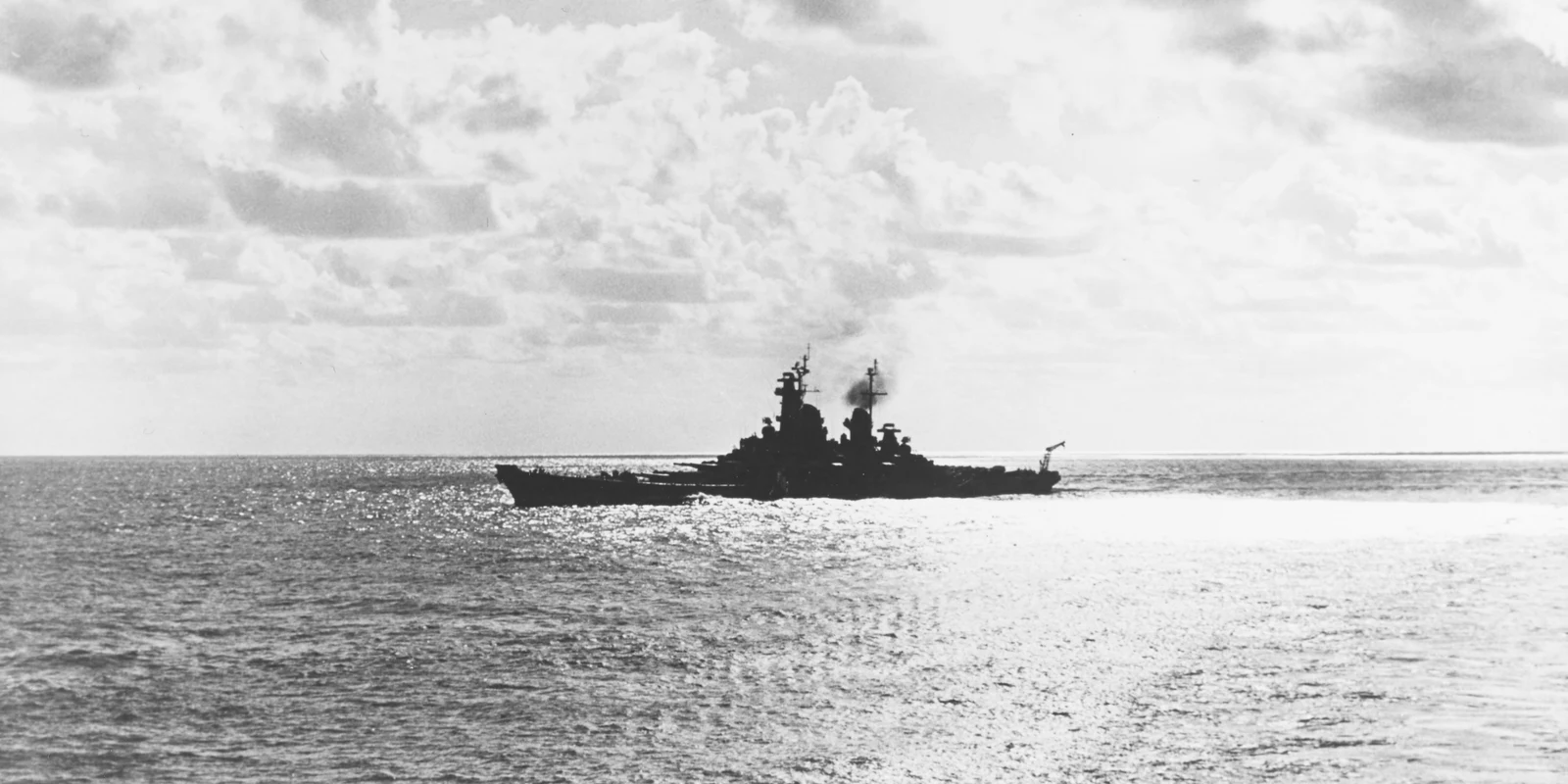
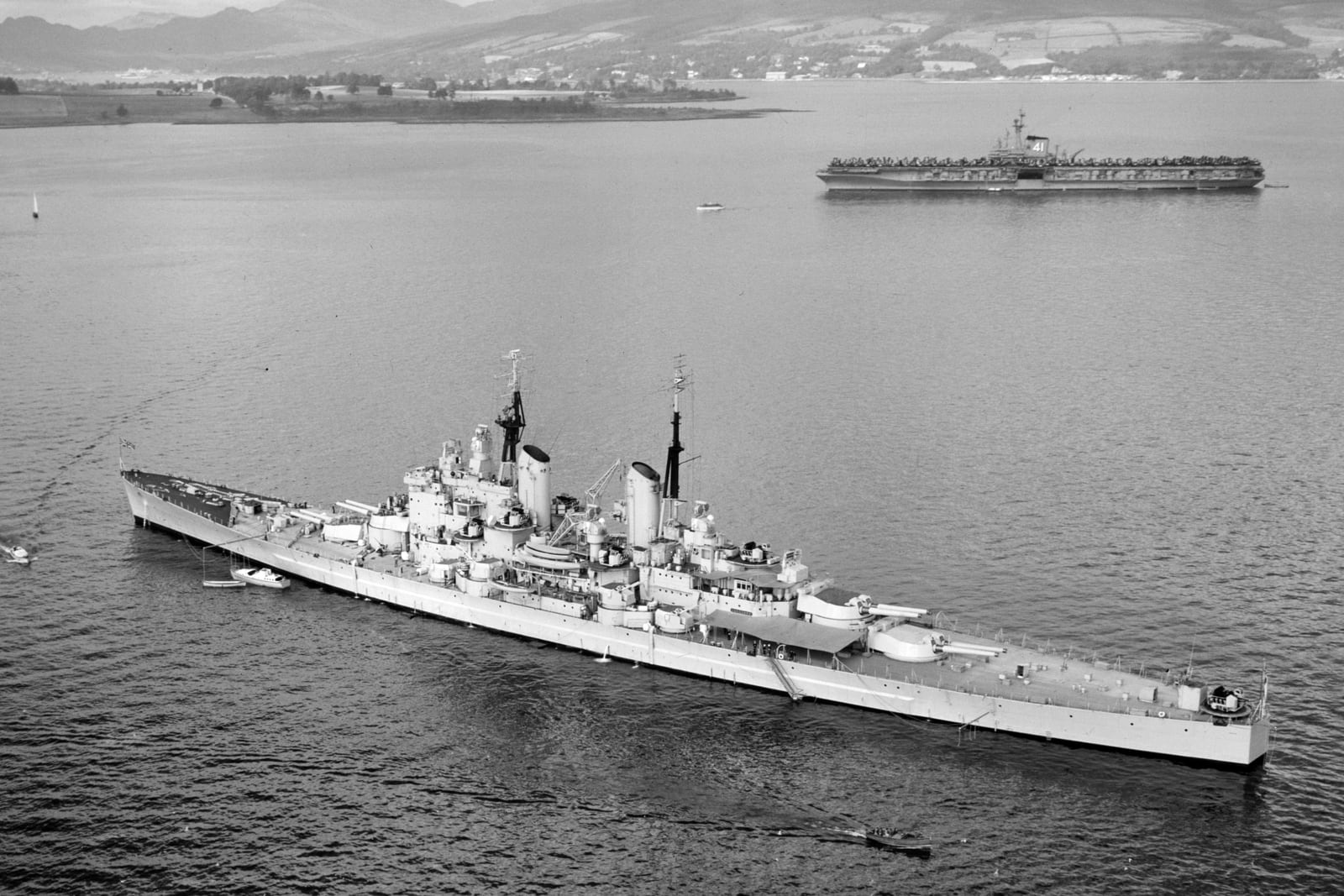
To splice the mainbrace, in the Royal Navy, was the order for an extra tot of rum, and in September 1952 the North Atlantic Treaty Organization borrowed the phrase for the largest naval exercise it had yet attempted. Mainbrace ran from the middle of the month to September 25. Its premise was a Soviet attack on Western Europe; its purpose was to prove that NATO could defend Norway and Denmark from the sea. The figures vary with the source, from the British historian David Clarke’s “more than 150 warships” from eight countries over thirteen days to the commonly repeated eighty thousand men, two hundred ships and a thousand aircraft from nine navies. Admiral Lynde D. McCormick, the new Supreme Allied Commander Atlantic, shared command with General Matthew Ridgway; Admiral Sir Patrick Brind ran the northern theater. Hanson Baldwin of The New York Times called it the most powerful fleet to cruise the North Sea since the First World War. The weather was poor. a communiqué from Brind’s headquarters described the sea as “extremely rough, with a 45 m.p.h. wind”; a Soviet passenger-cargo ship, the Kooperatzia, sheltering from the weather off Skagen, found herself with a view of the Marines’ landing preparations, her passengers watching, until a Danish coastal patrol ship escorted her out of Danish waters; and the airfield at Karup in Jutland, playing the enemy “Orange” base, was bombed, strafed and rocketed in simulation by carrier planes.
Sources: Exercise MainbraceOperation Mainbrace SightingsWe See Everything – even Flying SaucersChina Mail, Hong Kong, September 23, 1952UFO-NYT 3-78: Politiken reports of 17, 22, 28, 29 and 30 September 1952
A question from Downing Street
Flying saucers were already on the agenda before the fleet sailed. In July 1952 radar operators and pilots around Washington had chased unknown targets over the capital for two weekends running, and the headlines crossed the Atlantic. On July 28 Winston Churchill sent his Secretary of State for Air a minute that has been quoted ever since: “What does all this stuff about flying saucers amount to? What can it mean? What is the truth? Let me have a report at your convenience.” Lord De L’Isle and Dudley answered on August 9 with the conclusions of a secret Ministry of Defence study of 1951, the Flying Saucer Working Party: every report could be put down to astronomical or meteorological phenomena, mistaken aircraft, balloons and birds, optical illusions and psychological delusions, or deliberate hoaxes. “Nothing has happened since 1951 to make the Air Staff change their opinion,” he wrote, “and, to judge from recent Press statements, the same is true in America.” Churchill’s scientific adviser, Lord Cherwell, agreed entirely. On the American side, Captain Edward Ruppelt, who ran the Air Force’s Project Blue Book, later wrote that before Mainbrace began “someone in the Pentagon had half seriously mentioned that Naval Intelligence should keep an eye open for UFO’s, but no one really expected the UFO’s to show up.”
Sources: How UFOs KBOPREM 11/855: Prime Minister’s request to the Secretary of State for Air for an explanation of stories about flying saucers, 28 July 1952We See Everything – even Flying SaucersThe Report on Unidentified Flying Objects, chapter 14, “Digesting the Data”
A triangle off Hammeren
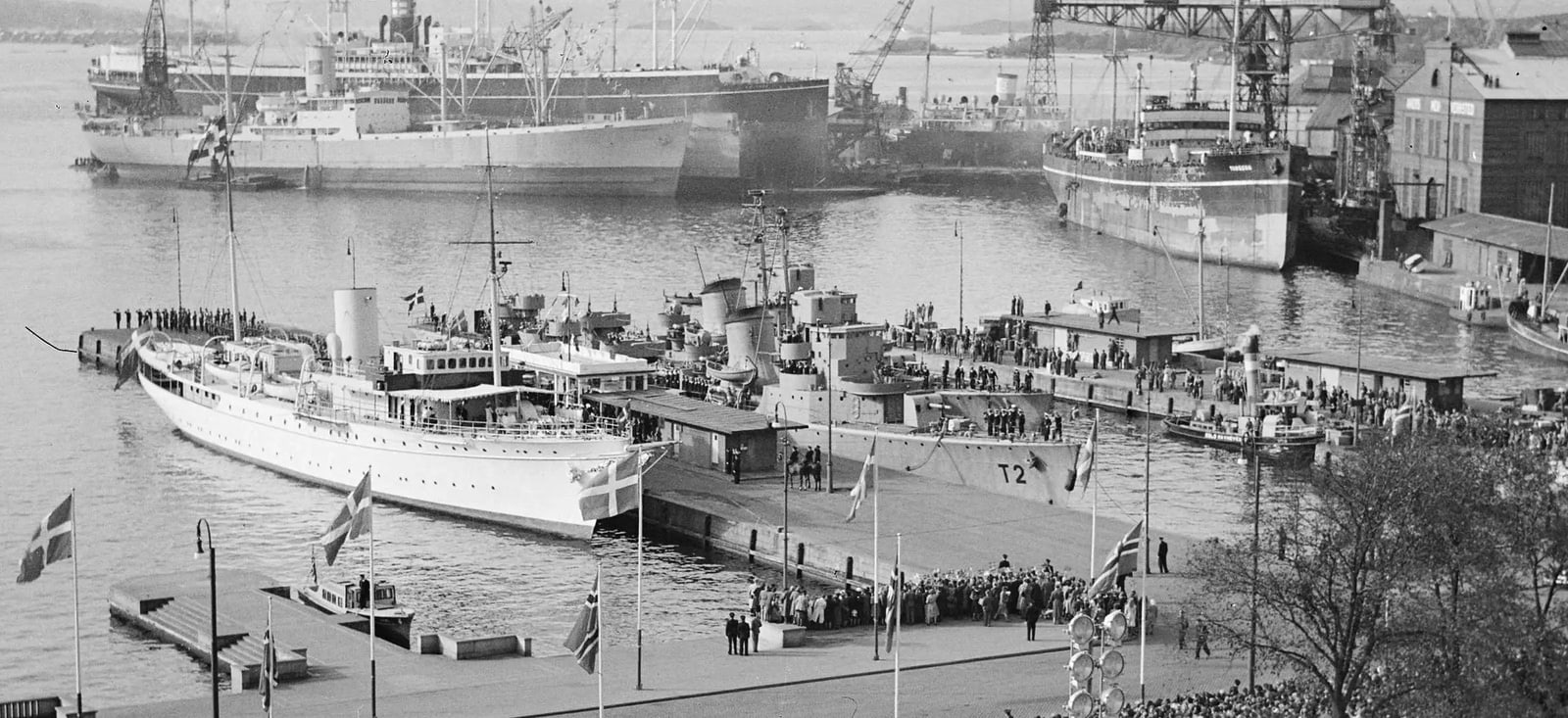
The first report came from the Baltic, where the Danish part of the exercise was played out in the waters around Bornholm. Around midnight between Sunday and Monday, ten nautical miles north of the Hammerodde lighthouse at the tip of the Hammeren headland, the second-in-command of the Danish warship Willemoes was on the bridge with several others when, by Politiken’s account, they heard a sharp hiss from the dark September sky. A moment later “et trekantet monstrum,” a triangular monster, came racing through the air from southeast to northwest, throwing out strong greenish light and trailing luminous tails of fire. Nobody could judge its height; they put its speed at about 1,500 kilometers an hour. The officer, Kaptajnløjtnant G. Smidt-Jensen, was described by the paper as a stout seaman with a flowing red full beard, and he was an amateur astronomer who was sure the thing was no celestial body. Nor, he said, could it be an Allied aircraft: he knew his aircraft recognition too well. A Copenhagen press photographer was on the bridge with him. Smidt-Jensen reported to his captain half expecting to be dismissed as a fantasist, but the other witnesses told the same story, and the captain sent a report through naval command in Copenhagen to the exercise headquarters, where, Politiken said, the night’s sight was taken seriously. It had been seen, the paper added, from other naval vessels near Willemoes too.
Sources: UFO-NYT 3-78: Politiken reports of 17, 22, 28, 29 and 30 September 1952September 14 [13–14?], 1952 — North Sea — Operation Mainbrace sightingsUFOs: A History — 1952, September–October
Apex to south
The story reached Washington in two very different shapes. The Associated Press, from Copenhagen on September 14, had Smidt-Jensen describe “a bluish glowing triangle” crossing the sky north of the island “last night,” heading southeast, at 1,500 kilometers, or 932 miles, an hour. The naval message relayed by the American attaché in Copenhagen and forwarded by Major Dewey Fournet at Air Force headquarters to Ruppelt’s office told it otherwise: at 2213 local time on September 14, at 55°29′ north, 14°52.5′ east, “3 rapidly moving flying objects” had been seen in level flight at about a thousand meters, “in triangular formation apex to south,” swinging from a bearing of 320 to 240 degrees in five to ten seconds, silent and smokeless, with what “appeared to be white light from exhaust.” An Air Force officer added his own guess on the teletype: the description and location “indicates possible Soviet jet activity if est of alt and speed are discounted.” The Willemoes report became Blue Book case 2087, the only line in the project’s index labeled “Operation Mainbrace,” and its record card complained that the messages were “vague, ambiguous.” It was filed as unidentified. No Danish official file on the sighting has surfaced; the Danish defence UFO archive, opened in 2009, begins only in 1978.
Sources: September 14 [13–14?], 1952 — North Sea — Operation Mainbrace sightingsProject Blue Book case index, roll 1: sightings of 9–16 September 1952UFOs: A History — 1952, September–OctoberDansk UFO-register er nu åbnet for offentligheden
A falling sycamore leaf
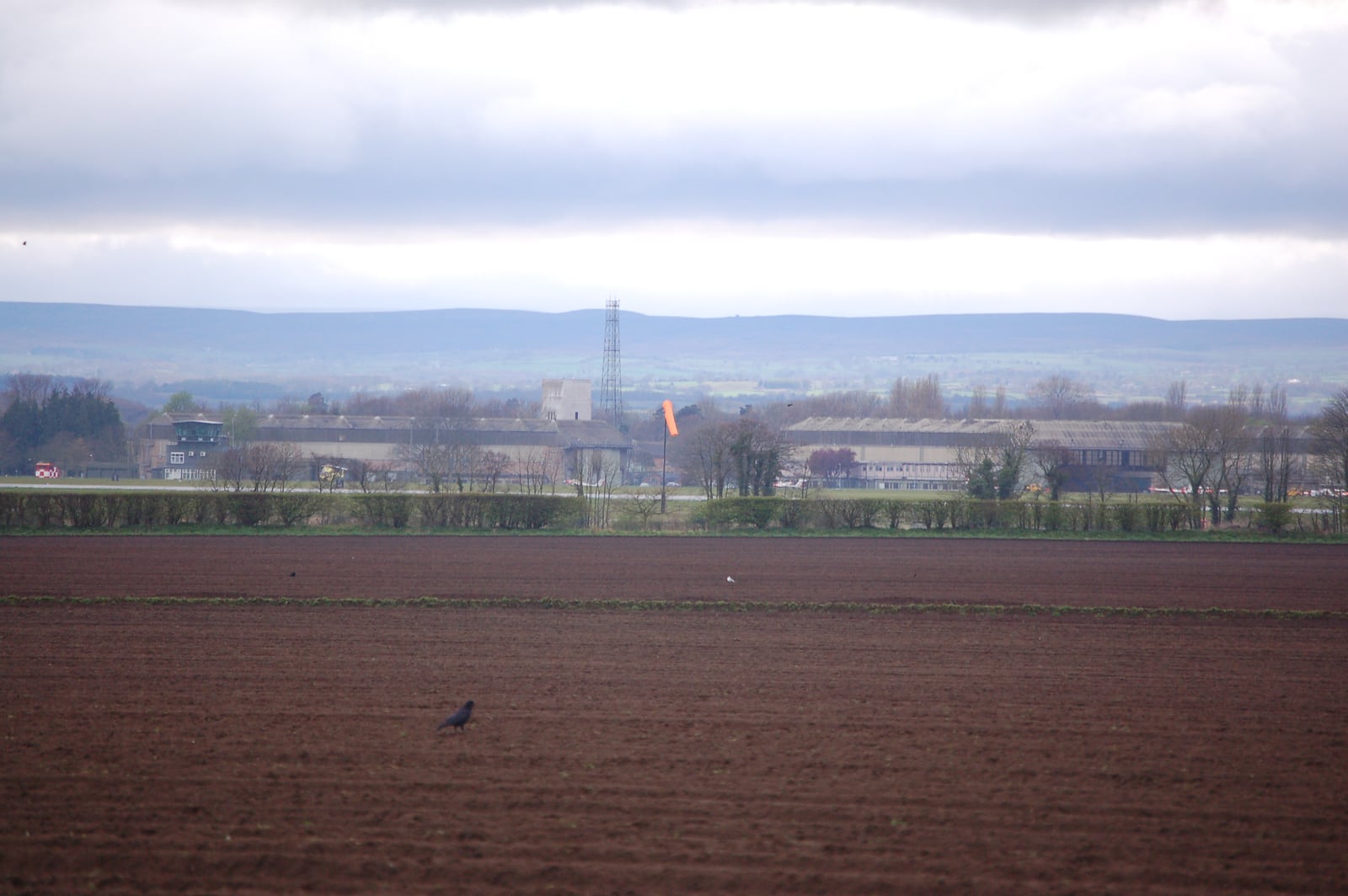
Topcliffe, a wartime bomber field near Thirsk in the Vale of York, was crowded that week. No. 269 Squadron, which flew Avro Shackleton maritime patrol aircraft from Ballykelly in Northern Ireland, was waiting there for its Mainbrace orders. At 10:53 on the morning of Friday, September 19, in clear sunshine, Flight Lieutenant John W. Kilburn was standing on the airfield with other Shackleton aircrew, watching a Gloster Meteor jet come in from the east toward the neighboring field at Dishforth. In the report he wrote for his commanding officer, which survives in Fighter Command file AIR 16/1199, he said the Meteor was at about 5,000 feet when “Flt Lt Paris suddenly noticed a white object in the sky at a height between ten and twenty thousand feet some five miles astern of the Meteor.” It was “silver in colour and circular in shape,” moving slower than the jet on a similar course. Then it began to descend, “swinging in a pendular motion during descent similar to a falling sycamore leaf.” They took it at first for a parachute or a piece of engine cowling. When the Meteor turned toward Dishforth, the object seemed to turn with it. It stopped swinging, stopped falling, and began to rotate on its own axis. “Suddenly it accelerated at an incredible speed towards the west turning onto a south easterly heading before disappearing. All this occurred in a matter of fifteen to twenty seconds. The acceleration was in excess of that of a shooting star. I have never seen such a phenomenon before.”
Sources: The Topcliffe IncidentWe See Everything – even Flying SaucersAIR 16/1199: Flying saucers: occurrence reports by service personnel at Topcliffe station, Thirsk, and local publicUFOs: A History — 1952, September–October, Supplemental Notes
The witnesses talk
The airmen were allowed to talk to reporters, and on Saturday the Yorkshire Evening Press put them across its front page: “TOPCLIFFE AIRMEN SIGHT A ‘FLYING SAUCER.’” Kilburn, thirty-one, from Cumberland, sixteen years in the air force and eleven of them as aircrew, told the paper it “was silver in colour, circular in shape and looked to be solid. The sun was glistening on it.” On Sunday the London Sunday Dispatch asked, “What Intruded Into ‘Exercise Mainbrace’?” and quoted him on the point everyone raised: “We are also quite certain that it was not a weather observation balloon, the speed at which it moved away discounts this altogether.” A caption named the others: Flight Lieutenant Marian Cybulski, Master Signaller A. E. Thompson, Sergeant T. B. Dewys and Leading Aircraftman G. Grime. In a fuller version that Loren Gross took from Aimé Michel’s 1956 book, Kilburn remembered shouting, “What on earth is that?” The Air Ministry offered a meteorological balloon; an RAF officer quoted in France-Soir proposed a smoke ring from a relit jet engine. At the exercise’s maritime headquarters in the bunker at Pitreavie Castle, someone set a canteen saucer tied with ribbons on the operations plot beside the name Topcliffe, and the duty controller opened a signal file headed “Saucer sightings and movements.”
Sources: We See Everything – even Flying SaucersThe Topcliffe saucer and the Yorkshire Evening PressLUFORO Bulletin, vol. 2 no. 4UFOs: A History — 1952, September–OctoberThe Truth About Flying SaucersUFOs: A History — 1952, September–October, Supplemental Notes“Flying saucer” joins in “Mainbrace”: 1952 newspaper reportsFrance-Soir, September 21, 19521952 newspaper clippings, part 43, with Wallace Litwin’s 1974 letter
Three exposures on the flight deck
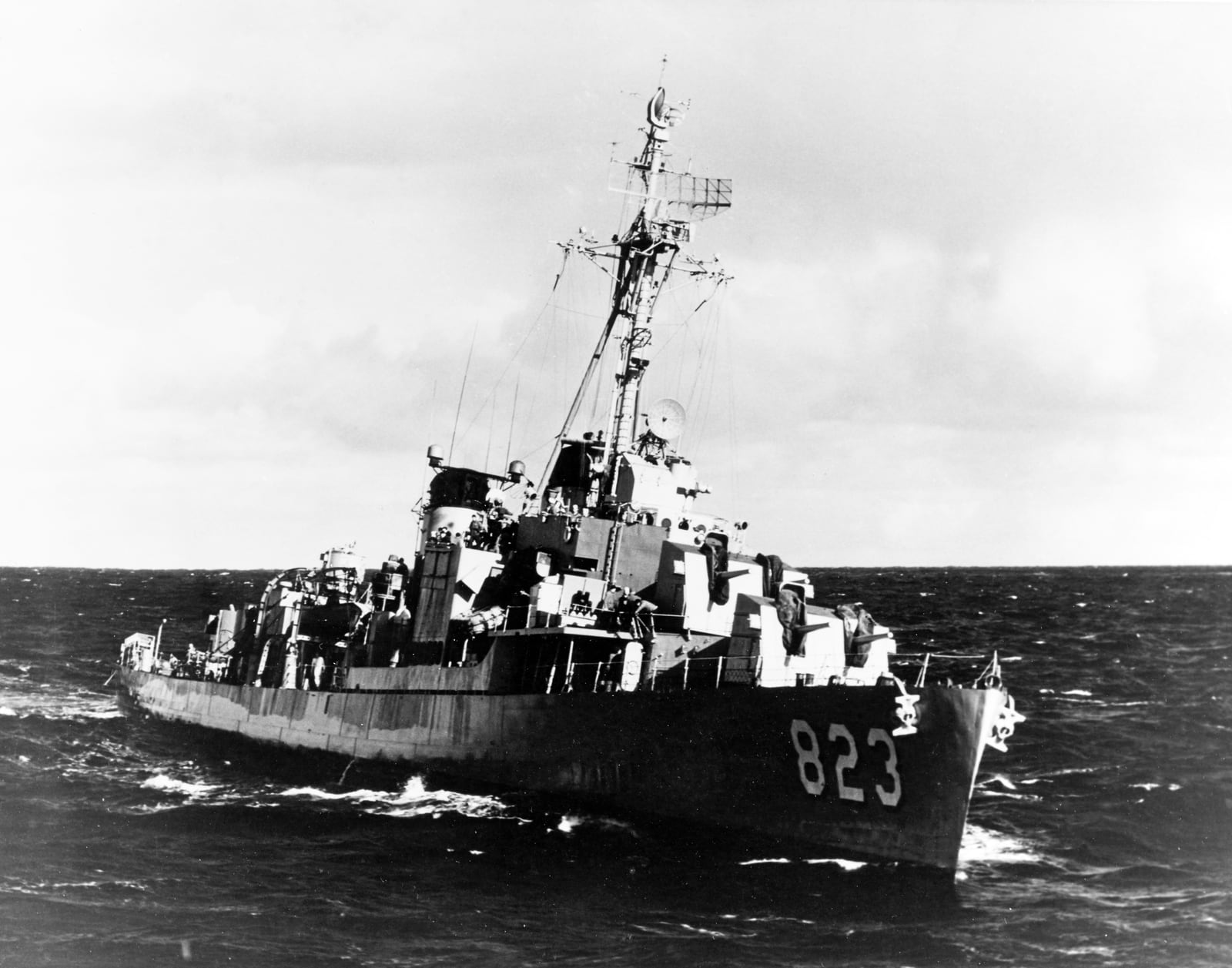
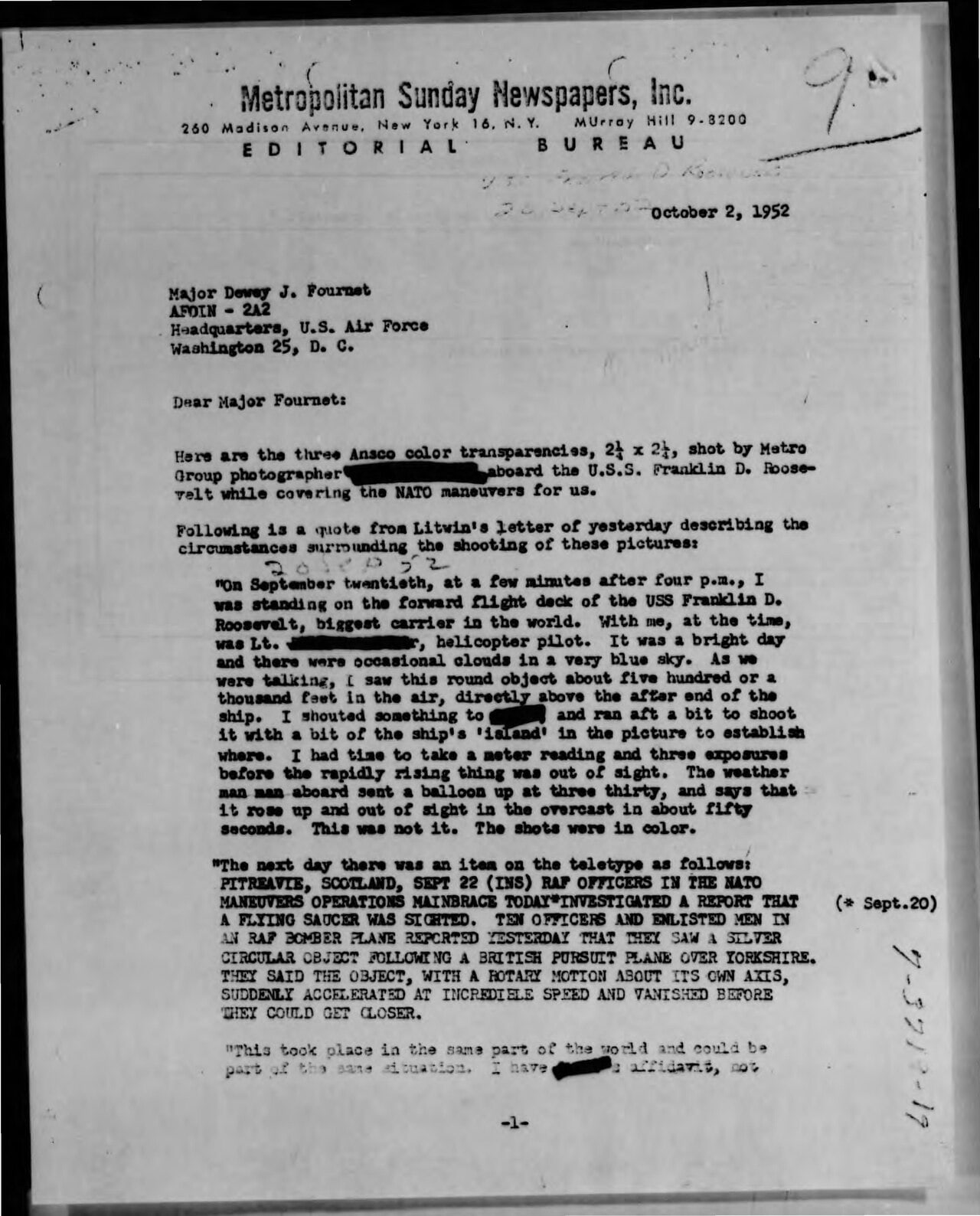
On the following afternoon, more than a thousand kilometers to the north, the American carrier Franklin D. Roosevelt was steaming off Norway, some way west of Narvik by the official caption of a photograph taken aboard her that day. Also aboard was Wallace Litwin, a photographer covering the maneuvers for Metropolitan Sunday Newspapers of New York. His own account, quoted in a letter his editors sent to the Air Force twelve days later, is the fullest from 1952: “On September twentieth, at a few minutes after four p.m., I was standing on the forward flight deck of the USS Franklin D. Roosevelt, biggest carrier in the world.” A helicopter pilot was with him. “It was a bright day and there were occasional clouds in a very blue sky. As we were talking, I saw this round object about five hundred or a thousand feet in the air, directly above the after end of the ship.” He shouted, ran aft so that a piece of the ship’s island would be in the picture to establish where it was, and “had time to take a meter reading and three exposures before the rapidly rising thing was out of sight.” He had asked the ship’s weatherman: a balloon had gone up at half past three and vanished into the overcast in about fifty seconds. “This was not it. The shots were in color.”
Sources: Project Blue Book case file: At sea on U.S.S. Franklin D. Roosevelt, 20 September 1952The Report on Unidentified Flying Objects, chapter 14, “Digesting the Data”
Transparencies for Major Fournet
On October 2, 1952, Metropolitan Sunday Newspapers sent the three Ansco color transparencies, two and a quarter inches square, to Major Fournet at Air Force intelligence in Washington, asking for their quick return and any comment the Air Force cared to make for publication. Litwin’s letter went on to quote an item that had come over the teletype the next day from Pitreavie: ten officers and men in an RAF bomber had seen a silver circular object following a British pursuit plane over Yorkshire, rotating about its own axis before it “suddenly accelerated at incredible speed.” Litwin thought it “could be part of the same situation.” The Air Force copied the slides, made an enlargement of the second frame “to show that the image is still round,” marked the copies for official use only and not for release, and sent the originals back. Then it went looking for a balloon. A cable to the naval command in Oslo on October 3 asked whether any ship had released one, and, in passing, about the Yorkshire bomber crew, now eleven men and dated September 22. The air attaché in Oslo replied that nobody there knew anything about either incident, but that the Royal Norwegian Air Force was “investigating 2 official and numerous vague reports of cigar shaped object sighted over various areas southern Norway, same time period.” A cable of October 23 recorded Litwin’s word that the Roosevelt’s weather officer had released no balloon at that time.
Sources: Project Blue Book case file: At sea on U.S.S. Franklin D. Roosevelt, 20 September 1952Project Blue Book file 2110: At sea on U.S.S. Franklin D. Roosevelt, one photograph
The balloon that was and wasn’t
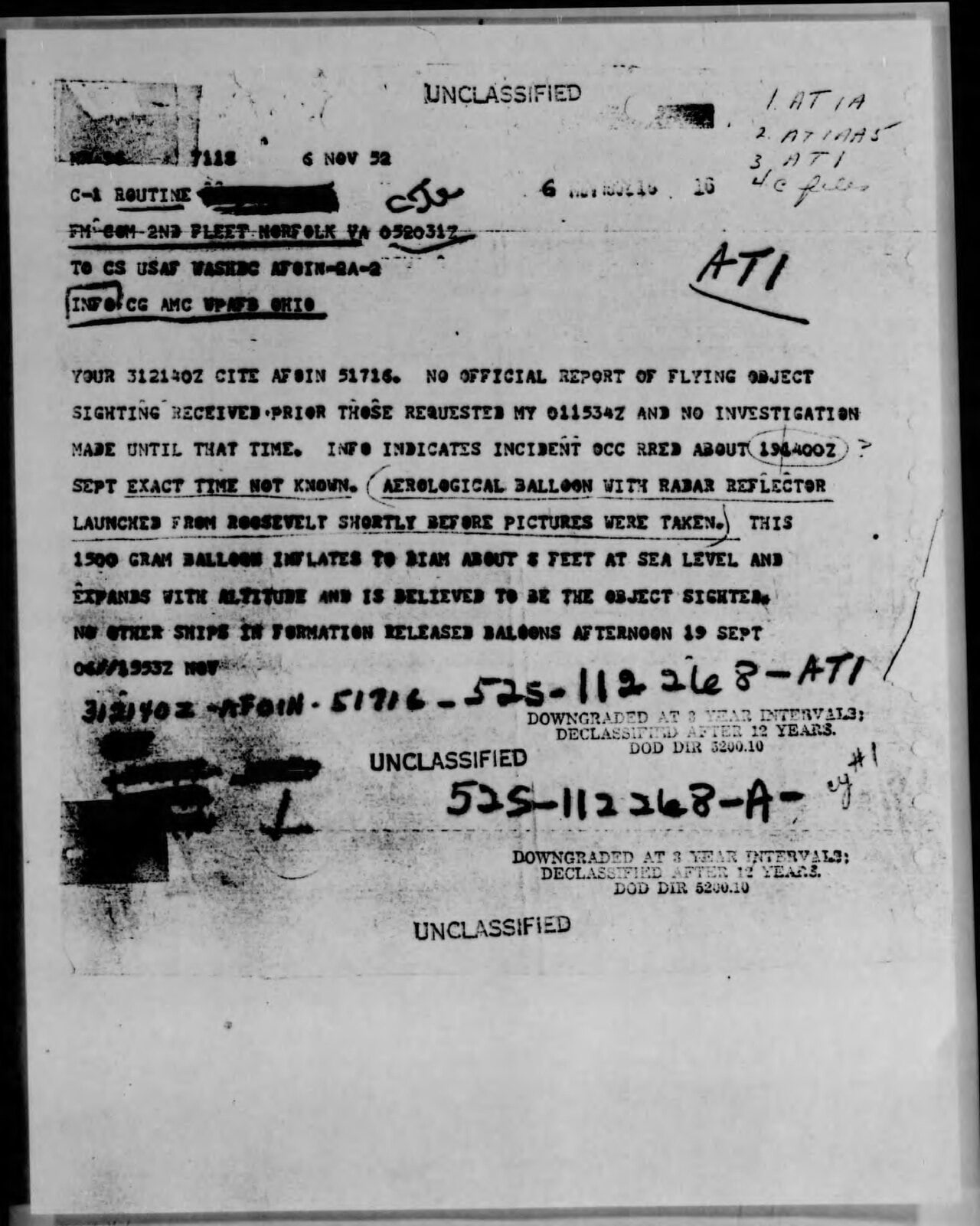
The Navy’s answer arrived on November 6 from the commander of the Second Fleet in Norfolk, Virginia, and it turned the story around. “Info indicates incident occurred about 191400Z Sept exact time not known,” it read: two in the afternoon, Greenwich time, on the 19th, not the 20th. “Aerological balloon with radar reflector launched from Roosevelt shortly before pictures were taken. This 1500 gram balloon inflates to diam about 8 feet at sea level and expands with altitude and is believed to be the object sighted.” No other ship in the formation, it added, had released balloons that afternoon. A week later the Air Technical Intelligence Center gave its verdict, “object probably balloon released shortly before pictures taken,” and the project’s later record card filed the case as “Balloon.” Litwin did not accept it. Writing in 1974 to the Danish researcher Ole Henningsen, he remembered telling the correspondents in the officers’ lounge, as a joke, that he had “shot a flying saucer,” explaining that he had just photographed the day’s weather balloon, whereupon the executive officer checked, found that the Roosevelt had sent no balloon up that day, and radioed the Midway, which had none up either. He now remembered three or four shots, of “what looked like a ping-pong ball ten feet over my head.” His letter has the Air Force taking the film to “Wright Field, which I think is in Kansas,” and making wall-sized prints “to see the little men looking out of the little windows,” and the reporters plying sailors with “charm, money, and booze” to learn that the carrier had an atom bomb below decks, which, he wrote, “The Navy denied this most vehemently.” He still had one transparency, and by the account of the clipping archive that transcribed the letter he was offering it for sale.
Sources: Project Blue Book case file: At sea on U.S.S. Franklin D. Roosevelt, 20 September 19521952 newspaper clippings, part 43, with Wallace Litwin’s 1974 letterUFO-NYT 3-78: Politiken reports of 17, 22, 28, 29 and 30 September 1952Insufficient information in a NICAP document as UFO evidence, part 71: the Franklin D. Roosevelt photographs
Rumors from the north
Back in September, while the fleet was still at sea, other reports crowded around the exercise, though none has the paperwork of Bornholm, Topcliffe or the carrier. Ruppelt wrote that on the day after the photographs six RAF pilots flying a formation of jet fighters over the North Sea saw “a shiny, spherical object” coming from the direction of the fleet, chased it, lost it, and that near their base one pilot looked back to find it following him, turned, and was outdistanced in a matter of minutes. No Air Force or Air Ministry record of that chase has been found, and Brad Sparks’s catalogue of Blue Book unknowns marks its file with two question marks. The Air Force’s own summary of the press wires on September 23 had already turned the Topcliffe ground party into “6 British airmen, presumably while airborne,” which is the kind of garble from which an airborne chase could grow. At Karup the base press officer told Politiken that some of the station’s radar men had seen “a circular object followed by a fiery tail” cross the field from west to east one evening; there was, he said, “noget spøgeri i luften,” something spooky in the air, and the witnesses were respectable and sober. Aimé Michel, citing a Danish communiqué of the 28th, has three Danish Air Force officers watching a shining metallic disc for five or six seconds at 7:30 p.m. on September 20. On the evening of September 28 tens of thousands of Danes saw a flaming object streak across the sky in a few seconds and more than 150 of them telephoned Politiken; an observer at the Ole Rømer Observatory in Aarhus, judging from their reports, called it without doubt a fireball. Across the Øresund, where lights had been reported over Scania the same weekend, the commander of the Swedish air base at Ljungbyhed preferred a Russian device heading “for Danzig or East Prussia.”
Sources: The Report on Unidentified Flying Objects, chapter 14, “Digesting the Data”September 21, 1952 — Six RAF jetsSeptember 14 [13–14?], 1952 — North Sea — Operation Mainbrace sightingsUFO-NYT 3-78: Politiken reports of 17, 22, 28, 29 and 30 September 1952The Truth About Flying SaucersOperation Mainbrace SightingsUFOs: A History — 1952, September–October, Supplemental Notes
Lunch at Air Defense Command
At a lunch with officers of Air Defense Command that autumn, Ruppelt was asked, “What about these recent sightings at Mainbrace?” His answer, set down in his 1956 book, became the canonical version of the case, and it differs from the files at almost every point. His reporter is photographing a carrier take-off when he notices pilots and deck crew staring at “a silver sphere moving across the sky just behind the fleet.” The pictures are developed “right away and turned out to be excellent.” The word goes out over the ships’ talk-between-ships radio, “Who launched a balloon?”, and the answer comes back, “Nobody.” Naval Intelligence “double-checked, triple-checked and quadruple-checked every ship near the carrier.” The six jets follow on the next day, and on the third consecutive day “a UFO showed up near the fleet, this time over Topcliffe Aerodrome,” where a Meteor pilot is scrambled and gets close enough to see an object “round, silvery, and white” that seemed to “rotate around its vertical axis and sort of wobble.” In the records Topcliffe came first, on the 19th; no surviving document mentions a scramble; the witnesses were on the ground; and Ruppelt’s own case file ends with the Navy naming a balloon from the Roosevelt itself. Then comes the sentence that has followed the case ever since: “It was these sightings, I was told by an RAF exchange intelligence officer in the Pentagon, that caused the RAF to officially recognize the UFO.” Mainbrace also left a mark on Blue Book’s plans, Ruppelt wrote: some in the Pentagon thought beings “earthly or otherwise” interested in the exercise might also take an interest in the coming hydrogen-bomb test in the Pacific, and the project was told to set up a reporting net there.
Sources: The Report on Unidentified Flying Objects, chapter 14, “Digesting the Data”Project Blue Book case file: At sea on U.S.S. Franklin D. Roosevelt, 20 September 1952We See Everything – even Flying Saucers
A folder in Whitehall
Did the RAF recognize the UFO? It did open a folder. The signal reporting Topcliffe went to the Air Ministry with copies marked for the Chief of the Air Staff, the Secretary of State and the Directorate of Scientific Intelligence, the department of R. V. Jones, Churchill’s wartime chief of scientific intelligence, who had investigated the Scandinavian ghost rockets of 1946. On the Air Ministry’s copy, preserved in AIR 20/7390, an officer in operations wrote an instruction to have a folder opened for “Unidentified Aircraft or Objects reported to Air Ministry.” Ralph Noyes, then private secretary to the Vice Chief of the Air Staff, saw the signal and recalled in 1988 “my own embarrassed unease, widely shared by the Operations Staff, that ‘our own people’ had begun to fall for ‘that saucer nonsense.’” In December 1952 the CIA’s Assistant Director for Scientific Intelligence, H. Marshall Chadwell, recorded what a visitor from London had told him: a standing committee on flying saucers, presumably under Jones, and a “Yorkshire incident” at an RAF field where a “perfect flying saucer” had been seen by RAF pilots and by high officials invited to a demonstration: “so many people saw it that many articles appeared in the public press.” Clarke identifies this as Topcliffe and suggests the demonstration was a Battle of Britain week display, though the visitor, reporting on December 15, placed the incident only ten or twelve days earlier. In December 1953, Clarke found, Fighter Command ordered that reports be classified and that personnel not discuss them with anyone outside official channels. When an MP asked in 1959 what the inquiry into the Mainbrace object had found, the Secretary of State for Air replied in four words: “No object was identified.”
Sources: We See Everything – even Flying SaucersAIR 20/7390: Unidentified aircraft (flying objects UFO): reportsA Majestical Mystery TourMemorandum for the record: British activity in the field of “unidentified flying objects”Operation Mainbrace UFOsUFOs: a research guide to the National Archives filesN.A.T.O. Exercise “Mainbrace” (Unidentified Flying Object)
How the story grew
The squadron took it lightly. Back at Ballykelly they found a redrawn badge, left by 209 Squadron, which had used their buildings during Mainbrace, with a canteen saucer in place of the galleon and the motto extended to “Omnia Videmus – We See Everything – even Flying Saucers,” a joke, the Operations Record Book noted, about “the memorable morning when six ‘reliable witnesses’ of the squadron saw an airborne saucer over Topcliffe.” Outside the squadron the story kept growing. Aimé Michel called Mainbrace “a landmark,” turned the carrier’s ball into a metallic disc and added the Meteor’s pilot to the Topcliffe witnesses. NICAP’s 1964 compendium The UFO Evidence inserted Kilburn into the Meteor’s cockpit, a mistake later catalogues still repeat, and its case directory moved the Willemoes into the North Atlantic between Ireland and Iceland and made her British. In 1961 a Mrs. Kathleen Wilson-Sharp wrote to a London UFO group that while picnicking near Crayke she had watched a circular object hover over Dishforth, “not unlike a lemon squeezer,” then streak off “in a very unballoon-like horizontal and speedy manner,” and that the commanding officer at Dishforth had written back to say six of his officers had seen it. She remembered dark clouds; the airmen remembered a clear sky. Jenny Randles wrote in 2022 that the Roosevelt was the only carrier then hosting nuclear missiles, which turns Litwin’s rumored bomb below decks into missiles. And Clarke, who has worked through the surviving files, notes that apart from the signal and the station commander’s file of letters, few traces of the Air Ministry’s investigation survive.
Sources: We See Everything – even Flying SaucersThe Truth About Flying SaucersThe UFO EvidenceSeptember 14, 1952: North Atlantic, between Ireland and IcelandSeptember 19, 1952: Topcliffe, EnglandLUFORO Bulletin, vol. 2 no. 4Splicing the Mainbrace, part 21952 newspaper clippings, part 43, with Wallace Litwin’s 1974 letter
What survives
The Topcliffe sighting rests on Kilburn’s written report to his station commander in Fighter Command file AIR 16/1199, with letters from local people collected at the station; the signal repeated to the Air Ministry in AIR 20/7390, and a related copy sent from 18 Group to Coastal Command that Loren Gross printed; 269 Squadron’s Operations Record Book in AIR 27/2674; a 1967 Defence Intelligence review in AIR 2/18117; and a week of newspaper coverage in York, London, Paris and the American wires. The carrier sighting has a full Project Blue Book file: the newspaper’s covering letter quoting Litwin, cables to Oslo and Norfolk and back, the Navy’s balloon message, the Air Technical Intelligence Center’s evaluation and the record card, plus a separate one-photograph file. The Air Force returned the original transparencies to the photographer, and the only copy in the Blue Book file is now an almost black microfilm frame, though a print of one frame circulates and Saturday Night Uforia reproduces it; the one he still held in 1974 passed, by the account of the clipping archive Saturday Night Uforia, through Coral Lorenzen’s APRO to Ole Henningsen in Denmark. The Bornholm triangle survives only in American files, Blue Book case 2087 with its naval teletypes and an AP wire, and in the Danish press. No official record of Karup or the six-jet chase has been found.
Sources: AIR 16/1199: Flying saucers: occurrence reports by service personnel at Topcliffe station, Thirsk, and local publicAIR 20/7390: Unidentified aircraft (flying objects UFO): reportsAIR 27/2674: No. 269 Squadron Operations Record BookAIR 2/18117: Unidentified flying objects: reportsUFOs: A History — 1952, September–October, Supplemental NotesProject Blue Book case file: At sea on U.S.S. Franklin D. Roosevelt, 20 September 1952Project Blue Book file 2110: At sea on U.S.S. Franklin D. Roosevelt, one photographSeptember 14 [13–14?], 1952 — North Sea — Operation Mainbrace sightings1952 newspaper clippings, part 43, with Wallace Litwin’s 1974 letter
The contradictions
Topcliffe is dated September 19 in the signal and Kilburn’s report, the 21st by implication in the INS wire, the 22nd in a Blue Book cable and in Ruppelt’s sequence. Its time is 10:53 a.m. in the signal and the press, “the afternoon” in one of Clarke’s accounts and “7.32 pm” in France-Soir. The Meteor was at 5,000 feet in Kilburn’s report and 500 in one copy of the signal; the object was at 10,000, 15,000, 15,900 or “between ten and twenty thousand” feet, five miles astern or two. The witnesses number five in Kilburn’s report, six in the squadron book and in the Sunday Dispatch headline, ten in Reuters and in Clarke’s 2022 account, and eleven in the Air Force’s cable, which put them in a bomber. On the carrier, Litwin says September 20 and the Navy the 19th; Litwin says three exposures in 1952 and “three or four” in 1974. In 1952 he said a weather balloon went up at 3:30 and was not the object; in his 1974 letter, as in Ruppelt, no balloon went up at all; in the Navy’s message one went up shortly before the pictures. Litwin’s 1952 sky was very blue with occasional clouds, yet the 3:30 balloon vanished into an overcast. Off Bornholm the object was one bluish triangle, one greenish triangle with fiery tails, or three white lights in a triangular formation, on the night of the 13th or the 14th.
Sources: UFOs: A History — 1952, September–October, Supplemental NotesThe Topcliffe IncidentFrance-Soir, September 21, 1952“Flying saucer” joins in “Mainbrace”: 1952 newspaper reportsProject Blue Book case file: At sea on U.S.S. Franklin D. Roosevelt, 20 September 19521952 newspaper clippings, part 43, with Wallace Litwin’s 1974 letterThe Report on Unidentified Flying Objects, chapter 14, “Digesting the Data”September 14 [13–14?], 1952 — North Sea — Operation Mainbrace sightingsUFO-NYT 3-78: Politiken reports of 17, 22, 28, 29 and 30 September 1952
Explanations and objections
For the carrier photographs the Navy’s answer is specific and contemporary: its own radar-reflector weather balloon, released from the Roosevelt shortly before the pictures. The skeptic Tim Printy, reading the same file, notes that a rapidly rising round object is just what such a balloon would look like, compares the surviving frame with a photograph of a balloon in flight, and concludes it was probably a balloon and that Ruppelt exaggerated. Against it stand Litwin’s statement that the weatherman’s balloon had gone into the clouds half an hour earlier, the Navy’s own uncertainty about the date and hour, and Ruppelt’s report that the deck crew were divided. For Topcliffe, the witnesses’ own first thought of a parachute or a falling cowling was ruled out when the RAF said nothing had fallen, and they rejected the Air Ministry’s balloon and an RAF officer’s smoke ring because of the speed at which the object left. In 1967 the Defence Intelligence officer John Dickison, rereading the old files, made the most careful skeptical point: the object “only appeared to come from the aircraft,” and since “the trajectory of the apparent object was not established in absolute terms,” its true range, and therefore its size and speed, were never known. Clarke adds that military personnel on high alert for intruders are likely to notice things they would otherwise ignore. For Bornholm, an Air Force officer suggested Soviet jets if the speed and height were discounted, and the great Danish light of September 28 was called, without doubt, a fireball by an Aarhus astronomer who judged it from the witnesses’ reports.
Sources: Project Blue Book case file: At sea on U.S.S. Franklin D. Roosevelt, 20 September 1952Insufficient information in a NICAP document as UFO evidence, part 71: the Franklin D. Roosevelt photographsThe Report on Unidentified Flying Objects, chapter 14, “Digesting the Data”France-Soir, September 21, 19521952 newspaper clippings, part 43, with Wallace Litwin’s 1974 letterWe See Everything – even Flying SaucersThe UFO Sightings That Spooked a NATO ExerciseSeptember 14 [13–14?], 1952 — North Sea — Operation Mainbrace sightingsUFO-NYT 3-78: Politiken reports of 17, 22, 28, 29 and 30 September 1952
Classification and evidence note
This archive files Mainbrace as a military encounter: every core witness was a serving officer, an airman or a correspondent embarked with a fleet, and the reports moved through naval and air force channels in four countries. It carries no close-encounter classification, because nothing came within a few hundred feet of anyone. The resolution is partly explained: the Navy and the Air Force attributed the carrier photographs to a balloon from the ship, an explanation the photographer disputed, while the Topcliffe object and the Bornholm triangle were never identified. Quotations from Kilburn’s report are taken from Clarke’s transcriptions, since the original is at Kew and not online; quotations from the Danish press are this archive’s translations of Politiken as reprinted by SUFOI in 1978; Litwin’s 1952 words are read from the Blue Book scan, and his 1974 letter from the Saturday Night Uforia transcription.
Sources: We See Everything – even Flying SaucersThe Topcliffe IncidentUFO-NYT 3-78: Politiken reports of 17, 22, 28, 29 and 30 September 1952Project Blue Book case file: At sea on U.S.S. Franklin D. Roosevelt, 20 September 19521952 newspaper clippings, part 43, with Wallace Litwin’s 1974 letter
- 28 JUL 1952
After the Washington radar sightings, Churchill asks the Air Ministry what “all this stuff about flying saucers” amounts to.
- 9 AUG 1952
Lord De L’Isle replies that nothing since the 1951 Flying Saucer Working Party has changed the Air Staff’s view.
- 4 SEP 1952
USS Wisconsin steams toward Norway, one of some two hundred ships gathering for Mainbrace.
- 13–14 SEP 1952
Mainbrace begins. Off Hammeren on Bornholm, Kaptajnløjtnant Smidt-Jensen and others on the bridge of Willemoes see a glowing triangle or three lights in a triangle crossing at about 1,500 km/h.
- 19 SEP 1952 · 10:53 AM
At RAF Topcliffe, 269 Squadron aircrew watch a silver disc swing like a falling sycamore leaf behind a Meteor, rotate, and accelerate away in fifteen to twenty seconds.
- 20 SEP 1952
The Yorkshire Evening Press splashes the Topcliffe sighting; the Air Ministry receives the signal, on which an operations officer writes an instruction to open a folder.
- 20 SEP 1952 · AFTER 4 PM
Wallace Litwin photographs a round object rising over the stern of USS Franklin D. Roosevelt off Norway; the Navy will later put the incident on the 19th.
- 21 SEP 1952
The Sunday Dispatch asks “What intruded into ‘Exercise Mainbrace’?” By Ruppelt’s later account, six RAF jets chase a shiny sphere over the North Sea the same day; no record of the chase has been found.
- C. 20–27 SEP 1952
Radar men at Karup see a circular object with a fiery tail; the press officer speaks of “something spooky in the air.”
- 25 SEP 1952
Exercise Mainbrace ends.
- 28 SEP 1952
A fireball crosses Denmark in the evening; Politiken takes more than 150 calls.
- 2 OCT 1952
Litwin’s editors send the three transparencies to Major Dewey Fournet at Air Force intelligence.
- 13–14 OCT 1952
The air attaché in Oslo reports Norwegian investigations of cigar-shaped objects over southern Norway; Fournet relays it to Ruppelt.
- 6 NOV 1952
The Second Fleet attributes the photographs to a radar-reflector balloon launched from the Roosevelt.
- 14 NOV 1952
The Air Technical Intelligence Center evaluates the object as “probably balloon released shortly before pictures taken.”
- 18 DEC 1952
The CIA’s Marshall Chadwell records British concern over a “Yorkshire incident” and a “perfect flying saucer.”
- 1956
Ruppelt’s book tells the Mainbrace story and repeats an RAF officer’s claim that it made the RAF officially recognize the UFO.
- 2 FEB 1959
Asked in Parliament what the inquiry found, the Secretary of State for Air answers: “No object was identified.”
- 1967
John Dickison of Defence Intelligence rereads the 1952 files and notes the object’s range was never established.
- 1974
Litwin writes to Ole Henningsen that no balloon went up that day and that he still has one transparency.
- 1988
Ralph Noyes recalls his own “embarrassed unease,” shared by the Operations Staff, at the Topcliffe signal.
- 18 SEP 2022
David Clarke marks the seventieth anniversary with the squadron’s “We See Everything – even Flying Saucers.”
Sources & interviews
The Report on Unidentified Flying Objects, chapter 14, “Digesting the Data”Edward J. Ruppelt · Doubleday · 1956 · Project Gutenberg editionProject Blue Book case file: At sea on U.S.S. Franklin D. Roosevelt, 20 September 1952U.S. Air Force, Project Blue Book · September–November 1952 · 15-page NARA microfilm scan via Wikimedia CommonsProject Blue Book file 2110: At sea on U.S.S. Franklin D. Roosevelt, one photographU.S. Air Force, Project Blue Book · 1952 · NARA microfilm scan via Wikimedia CommonsProject Blue Book case index, roll 1: sightings of 9–16 September 1952U.S. Air Force, Project Blue Book · National Archives microfilm via the Internet ArchiveSeptember 14 [13–14?], 1952 — North Sea — Operation Mainbrace sightingsJeff Knox, UAP Discovery forum · 2025 · Scans of the Blue Book record card, naval teletypes and AP wire on the Willemoes reportSeptember 21, 1952 — Six RAF jetsJeff Knox, UAP Discovery forum · 2025 · Brad Sparks catalogue entry 831 and Blue Book index notesUFO-NYT 3-78: Politiken reports of 17, 22, 28, 29 and 30 September 1952SUFOI (Skandinavisk UFO Information) · May–June 1978 · Reprints of Danish press coverage, pp. 117–121We See Everything – even Flying SaucersDavid Clarke · drdavidclarke.co.uk · September 18, 2022 · Seventieth-anniversary account from AIR 16/1199, AIR 20/7390, AIR 27/2674 and AIR 2/18117The Topcliffe saucer and the Yorkshire Evening PressDavid Clarke · Fortean Times 445 · June 2024 · With the Yorkshire Evening Press front page of September 20, 1952 · Internet ArchiveThe Topcliffe IncidentDavid Clarke · Extract from The UFO Files (The National Archives, 2009) · Sign Historical GroupOperation Mainbrace UFOsDavid Clarke · drdavidclarke.co.uk · 2020 · The Chadwell memo and the Little Rissington sighting of October 1952UFOs: a research guide to the National Archives filesDavid Clarke · Sheffield Hallam University Research ArchiveAIR 16/1199: Flying saucers: occurrence reports by service personnel at Topcliffe station, Thirsk, and local publicThe National Archives, Kew · Fighter Command file · September 1952 · Catalogue entryAIR 20/7390: Unidentified aircraft (flying objects UFO): reportsThe National Archives, Kew · Air Ministry file · 1950–1954 · Catalogue entryAIR 27/2674: No. 269 Squadron Operations Record BookThe National Archives, Kew · 1952–1955 · Catalogue entryAIR 2/18117: Unidentified flying objects: reportsThe National Archives, Kew · 1967–1968 · Catalogue entryPREM 11/855: Prime Minister’s request to the Secretary of State for Air for an explanation of stories about flying saucers, 28 July 1952The National Archives, Kew · 1952–1955 · Catalogue entryHow UFOs KBOJoe Oliver · Churchill Bulletin no. 202, International Churchill Society · March 2025 · With transcriptions from PREM 11/855Memorandum for the record: British activity in the field of “unidentified flying objects”H. Marshall Chadwell, Assistant Director for Scientific Intelligence, CIA · December 18, 1952 · The Black VaultA Majestical Mystery TourRalph Noyes · Magonia no. 29 · April 1988 · Magonia archiveN.A.T.O. Exercise “Mainbrace” (Unidentified Flying Object)House of Commons written answers · HC Deb 2 February 1959 vol. 599 c19W · HansardLUFORO Bulletin, vol. 2 no. 4London Unidentified Flying Object Research Organisation · April 1961 · Topcliffe recollections and the Wilson-Sharp letterUFOs: A History — 1952, September–OctoberLoren E. Gross · 1986 · Sign Oral History Project editionUFOs: A History — 1952, September–October, Supplemental NotesLoren E. Gross · 2002 · With the RAF signal text and the Yorkshire Post diagram“Flying saucer” joins in “Mainbrace”: 1952 newspaper reportsPatrick Gross, UFOs at close sight · Clipping found by Gary Anthony and Chris EversFrance-Soir, September 21, 1952Patrick Gross, UFOs at close sight · Translated press report1952 newspaper clippings, part 43, with Wallace Litwin’s 1974 letterSaturday Night Uforia · Clipping archive and transcriptionsThe Truth About Flying SaucersAimé Michel · Robert Hale English edition · Internet ArchiveThe UFO EvidenceRichard H. Hall, ed. · NICAP · 1964 · Copy from CIA files, Internet ArchiveOperation Mainbrace SightingsRichard H. Hall · NICAPSeptember 14, 1952: North Atlantic, between Ireland and IcelandNICAP case directory · Brad Sparks catalogue entrySeptember 19, 1952: Topcliffe, EnglandNICAP case directory · Brad Sparks catalogue entryChina Mail, Hong Kong, September 23, 1952Reuters and AP wire reports from Mainbrace · Internet ArchiveSplicing the Mainbrace, part 2Jenny Randles · Fortean Times 426 · December 2022 · Internet ArchiveInsufficient information in a NICAP document as UFO evidence, part 71: the Franklin D. Roosevelt photographsTim Printy, SUNlite 1/2025 · Reproduced by CENAPThe UFO Sightings That Spooked a NATO ExerciseDave Roos · History.com · With David ClarkeDansk UFO-register er nu åbnet for offentlighedenIngeniøren · January 28, 2009 · On the Danish Defence UFO files, 1978–2002Exercise MainbraceWikipedia · Orientation and reference trail · Consulted October 7, 2026Spotted an error, or know a better source? Write to hello@uap.fun.
Connected files
The Washington FlapThe radar sightings over the American capital that summer prompted Churchill’s minute, and Blue Book was still busy with them when the Mainbrace reports arrived.The Rocket in Lake KölmjärvScandinavian skies again: R. V. Jones, whose directorate received the Topcliffe signal, had investigated the ghost rockets six years earlier.The Lakenheath Radar NightFour years later RAF and American personnel chased radar targets over East Anglia; David Clarke later reconstructed both cases from surviving Air Ministry files and witness testimony.Inside Project Blue BookRuppelt’s project kept the carrier file and the Bornholm card, and his book turned Mainbrace into lore.Discuss this case
Compare notes with other readers: witness details, sources, and the parts that still do not add up.
Open the discussion