Something far above the bird
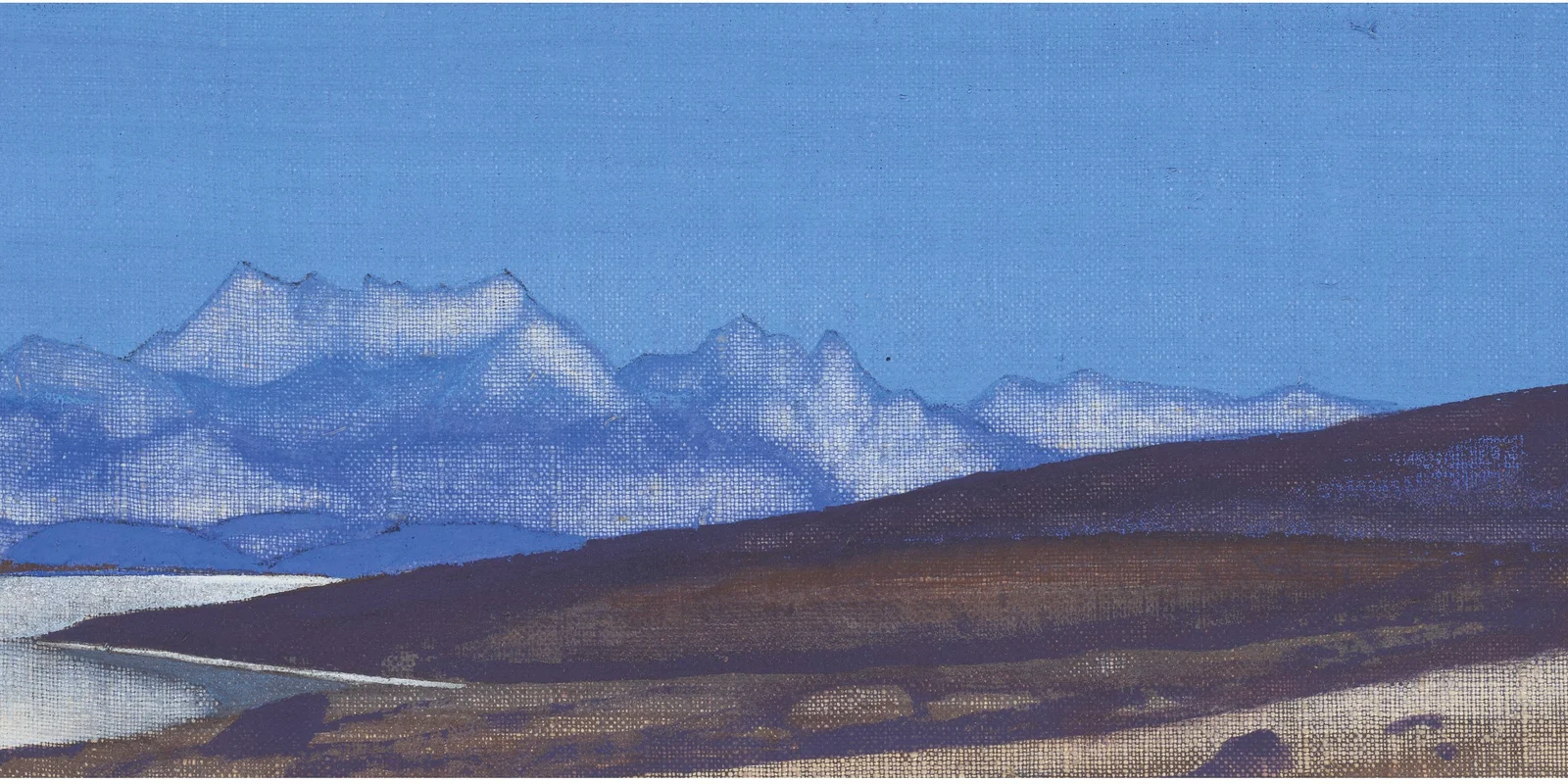
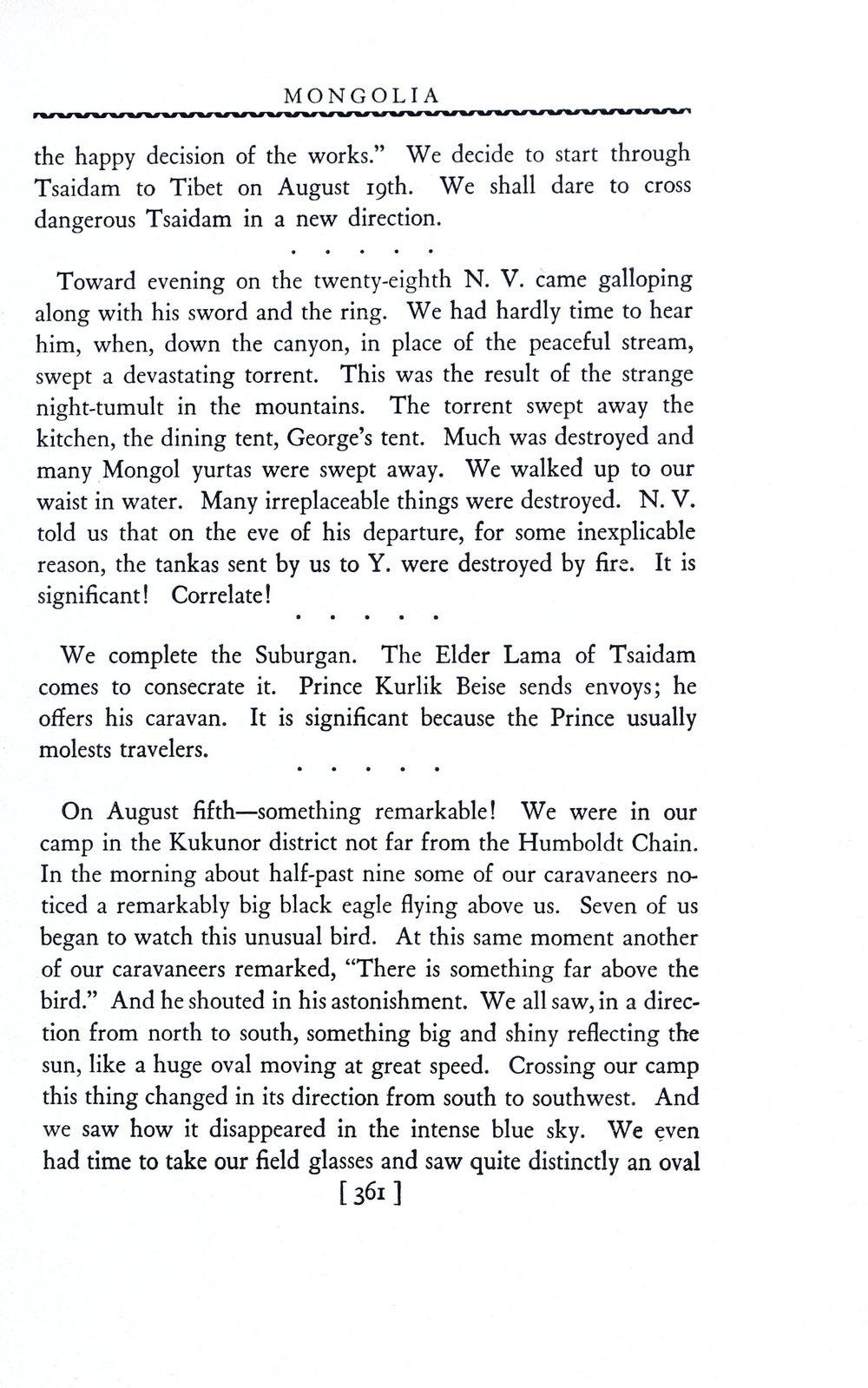
The morning of August 5, 1927, was sunny and cloudless over the camp at Sharagolji. Nicholas Roerich, the Russian painter, mystic and explorer, had pitched his tents on a foothill beside a mountain spring, under the snowy wall of the Humboldt Range, waiting for the camel season to open the road south into Tibet. At about half-past nine, as he told it in his travel diary, some of the caravaneers noticed “a remarkably big black eagle” flying above them, and seven of them, Roerich among them, stopped to watch it. Then another caravaneer said, “There is something far above the bird,” and shouted in astonishment. “We all saw, in a direction from north to south, something big and shiny reflecting the sun, like a huge oval moving at great speed.” Over the camp it swung from south to southwest. Someone fetched field glasses, and before it was lost in the “intense blue sky” they saw “quite distinctly an oval form with shiny surface, one side of which was brilliant from the sun.” Roerich headed the entry “something remarkable!” It would become one of the best-known flying saucer reports from before there were flying saucers, and it was written by a man who believed he was traveling toward Shambhala.
Sources: Altai-Himalaya: A Travel DiaryThe Heart of AsiaTrails to Inmost Asia: Five Years of Exploration with the Roerich Central Asian Expedition
A painter looking for a hidden kingdom
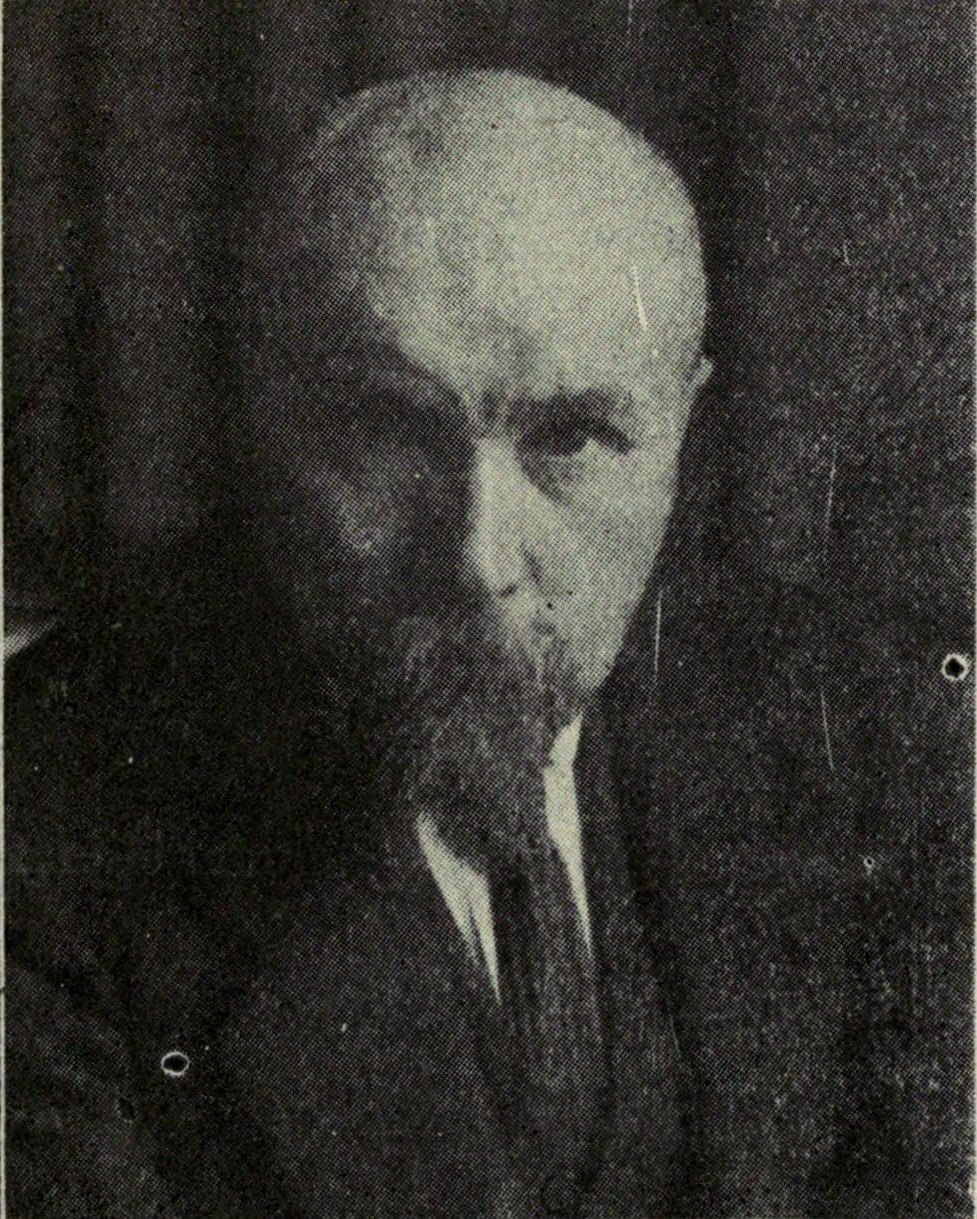
Roerich was fifty-two, bald, with a pointed grey beard, famous in Russia as a painter of its ancient past, in Paris for his designs for Stravinsky’s Rite of Spring and in New York for a museum of his own paintings. He and his wife Helena were Theosophists, followers of the occult movement founded by Helena Blavatsky, which taught that hidden Masters in Asia guide humanity; the Roeriches believed they took dictation from one of them, “M.” After a year of preparation in Sikkim, from 1925 they had crossed Ladakh, the Karakoram, Chinese Turkestan, the Altai and Mongolia, with a flag bearing Maitreya, the Buddha to come. The Buddhist Kalachakra texts tell of Shambhala, a hidden kingdom in the north whose king, Rigden Jyepo, will ride out at the end of a dark age; the Roeriches spoke of Maitreya and Shambhala as a coming new era, and hoped for a Buddhist union of the East. They had stopped in Moscow in June 1926 to meet the Soviet foreign commissar, Georgy Chicherin, bringing a casket of Himalayan earth and a letter from “the Mahatmas,” their name for the Masters. By the summer of 1927 the caravan had crossed the Gobi by car and camel and climbed from Anxi into the Nanshan mountains. At Sharagolji the Europeans settled in to wait, among them Roerich’s son George, the expedition doctor Konstantin Ryabinin and a thirteen-year-old girl, Raya Bogdanova; two more, Colonel Nikolai Kordashevsky and A. A. Golubin, joined them there, making nine.
Sources: Altai-Himalaya: A Travel DiaryCentral Asian ExpeditionNicholas RoerichRed Shambhala: Magic, Prophecy, and Geopolitics in the Heart of AsiaThe Heart of AsiaTrails to Inmost Asia: Five Years of Exploration with the Roerich Central Asian Expedition
A stupa for Shambhala
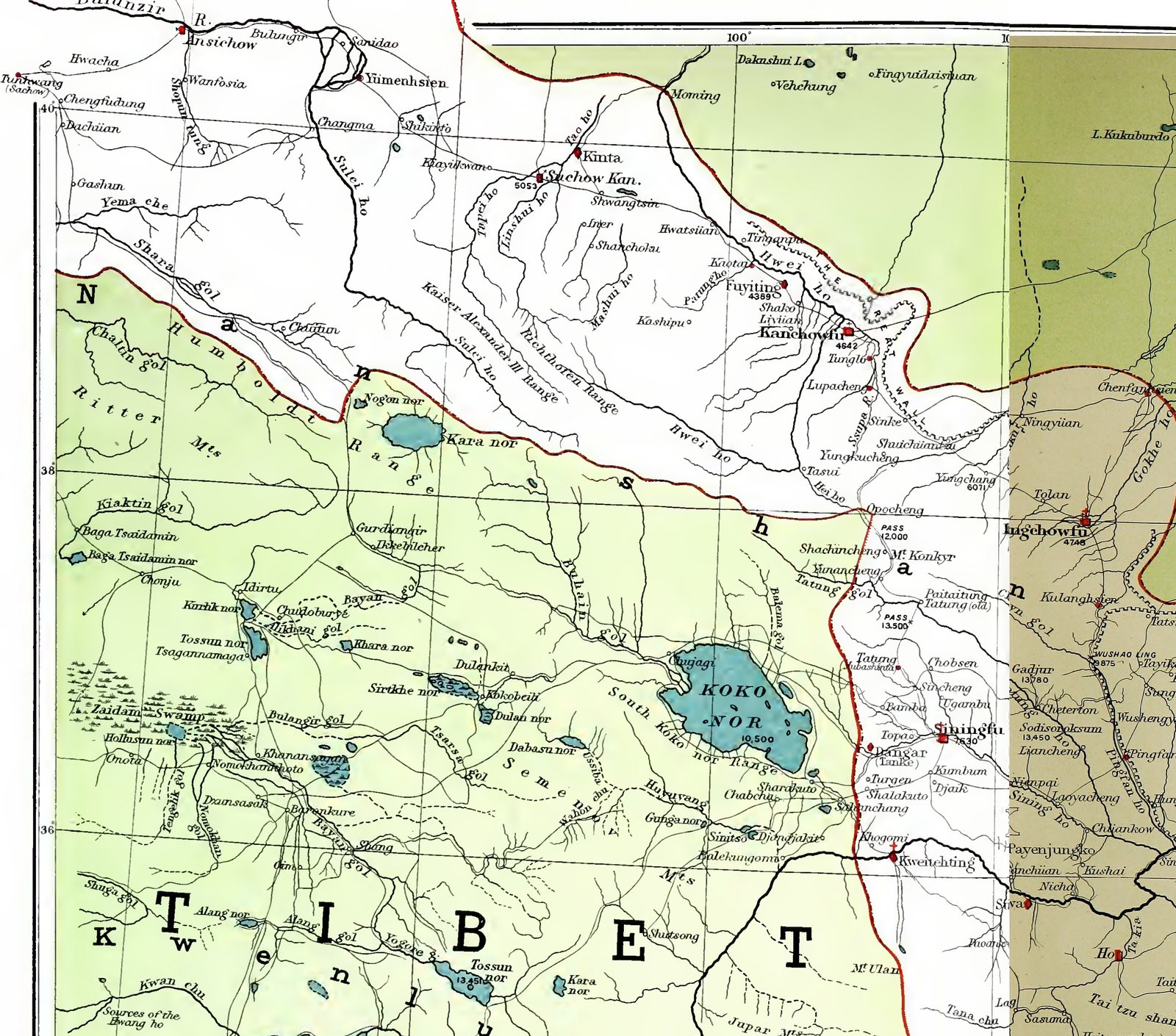
The camp lay in the Shara-gol, Mongolian for “yellow river,” a high valley at about 9,000 feet, George Roerich reckoned, where the Kurluk Mongols of the Tsaidam brought their herds in summer. Roerich’s diary for those weeks is crowded with ritual and omen. On July 5 the lamas held the Festival of Maitreya in a “tent of Shambhala,” with neighboring Mongols singing along. Roerich drew up a plan for a suburgan, a Buddhist stupa, to mark the spot “where the Great Guardian stopped for the night,” and on July 24 Mongols helped raise it, bringing tiny stones and seeds as treasure for its chalice. A lama from Kumbum monastery brought prophecies and a new prayer of the Tashi Lama, as Europeans called the Panchen Lama, the second great incarnation of Tibetan Buddhism. On July 28, just as the expedition’s Colonel Kordashevsky came galloping in, the peaceful stream in the canyon turned into a torrent that swept away the kitchen, the dining tent and George’s tent, and the travelers waded waist-deep through the camp. The stupa, the Suburgan of Shambhala, was to be consecrated on August 7. The sighting came two days before.
Sources: Altai-Himalaya: A Travel DiaryTrails to Inmost Asia: Five Years of Exploration with the Roerich Central Asian Expedition
One sighting, four tellings
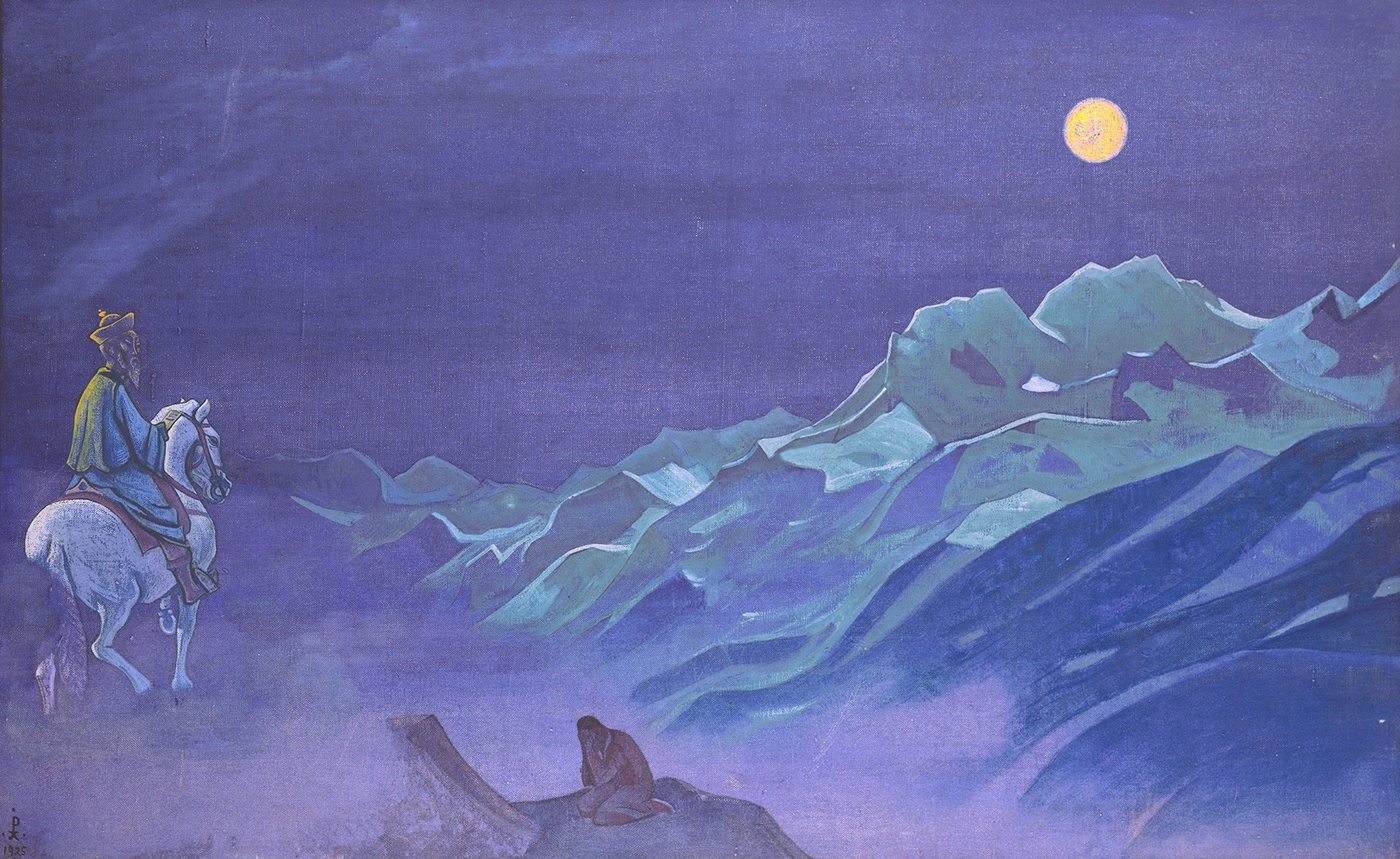
Roerich told the story at least four times, and it changed each time. The English Altai-Himalaya (1929) gives the version above. The Russian text of the same diary is shorter and stranger: at half past ten, “a bright white, spherical apparatus, gleaming in the sun” flew over the camp from northeast to south, seven people watched, and the entry ends in shorthand, “Energy A. Brother D. K. Remarkable!” In The Heart of Asia (1929) the bird is a “huge, dark vulture.” A Buryat lama, one of the Siberian Mongol Buddhists in the caravan, asks, “What is that? A white balloon? An aëroplane?” Three powerful field glasses are brought from the tents, the “huge spheroid body” vanishes behind the snow-peaked Humboldt chain, and “the lamas whisper: ‘The Sign of Shambhala!’” Just before it, the whole camp smells a sudden perfume “as of the best incenses of India” among bare rocks, and a lama asks, “Do you feel the fragrance of Shambhala?” In the essay “Light in the Desert,” written at Gangtok in 1928, the object vanishes behind Ulan Davan, “the red pass in the Humboldt chain,” the caravan argues over “An air balloon? An Ebolite? An unknown apparatus?”, and a lama says, “Rigden-jyepo himself is looking after us!”
Sources: Altai-Himalaya: A Travel DiaryАлтай – ГималаиThe Heart of AsiaСердце АзииShambhala
The doctor’s binoculars
The camp’s other diarists saw the morning differently. Dr. Konstantin Ryabinin, whose diary was published in Russia in 1996, was standing at the horse lines talking with George Roerich about Tibet when voices called “Eagle! A black eagle over the camp!” He looked up and saw not an eagle but “a huge yellowish-white ball, gleaming in the sun.” “What eagle? It’s a ball,” he told Roerich, and ran to his tent for binoculars. About half a kilometer up, he wrote, the ball moved in a straight line from east to west, then turned sharply south at a right angle and dwindled behind the nearest ridge; there were no ropes and no gondola. The Buryats insisted the eagle had first hovered between the ball and the ground, but by the time Ryabinin looked, it was gone. His book carries a second, fuller entry for the same day: half past ten, a Buryat named Tsultim staring northeast, three field glasses, a rounded, oblong object lit on one side, and Kordashevsky watching it turn at a sharp angle. Pavel Portnyagin, in charge of the transport, was at the horse-shoeing at 10:30 when a strange white spot crossed from northeast to southwest; through binoculars it was spindle-shaped. Colonel Kordashevsky called it a spherical aerostat that changed course “obeying a precise turn of the rudder,” unlike any aircraft he knew. George Roerich’s own book on the expedition, Trails to Inmost Asia, covers the flood, the stupa and the visit of the Tsaidam head lama, and says nothing about the object at all.
Sources: Рерих Е.И. – Дневник, 5 августа 1927 [Шараголджи]«Летательные аппараты» в буддизме, или Что видела экспедиция Рериха в небе над Тибетом?Тетрадь 24 (30.03.1927 – 25.11.1927)Trails to Inmost Asia: Five Years of Exploration with the Roerich Central Asian Expedition
Our flying apparatus
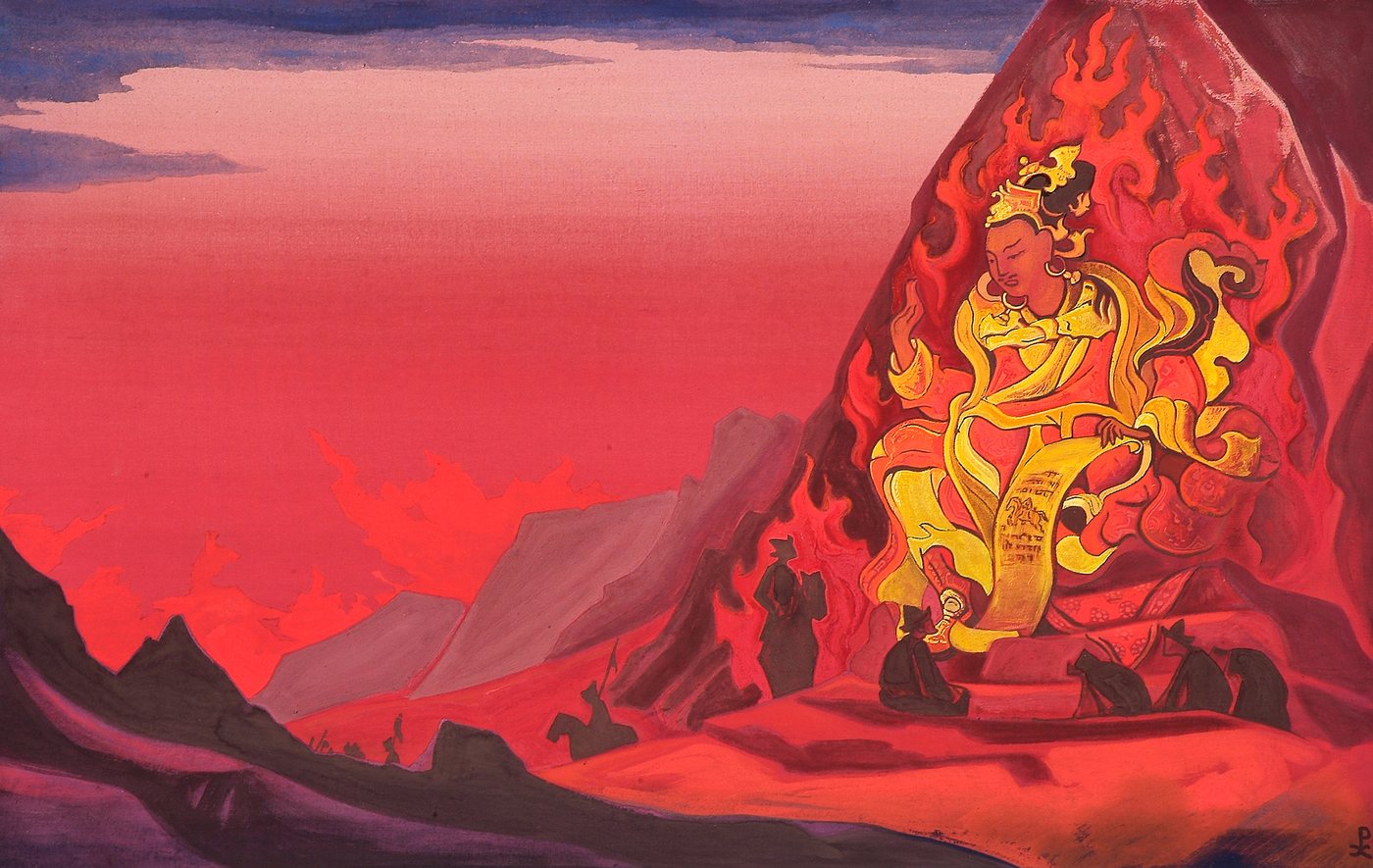
Helena Roerich did not see it. That same day at Sharagolji she took down in her notebook a message from the Master she called M., and it explains the shorthand in her husband’s Russian diary. “I solemnly permit you to announce to all that Our flying apparatus notified the Tashi Lama of your coming,” it began, and of the need for a special incarnate lama for Mongolia. The black eagle, it said, was characteristic: “by this they try to spoil the impression.” Then Helena asked questions. What energy moved it? “Mixed A-energy.” She wrote that it pained her not to have seen it; there was nothing to see, came the answer, “very high, just like a white stone.” What shape? “A ball, somewhat elongated.” Where does such an apparatus come down? “At night in the mountains.” Who was in it? Djwal Kul, one of the Theosophists’ Masters: “D[jwal] K[ul], dressed as a simple lama.” The next morning, Ryabinin wrote, the whole mission learned that the shining object had been an air apparatus of the Brotherhood, as the Roeriches called the Masters’ fellowship, returning to Tibet from near Mukden in Manchuria after an errand to the Tashi Lama. Portnyagin’s diary, under the same date, says the camp had first taken it for a toy balloon sent up from the nearest Chinese town.
Sources: Рерих Е.И. – Дневник, 5 августа 1927 [Шараголджи]Тетрадь 24 (30.03.1927 – 25.11.1927)«Летательные аппараты» в буддизме, или Что видела экспедиция Рериха в небе над Тибетом?Алтай – Гималаи
Each phrase a legend
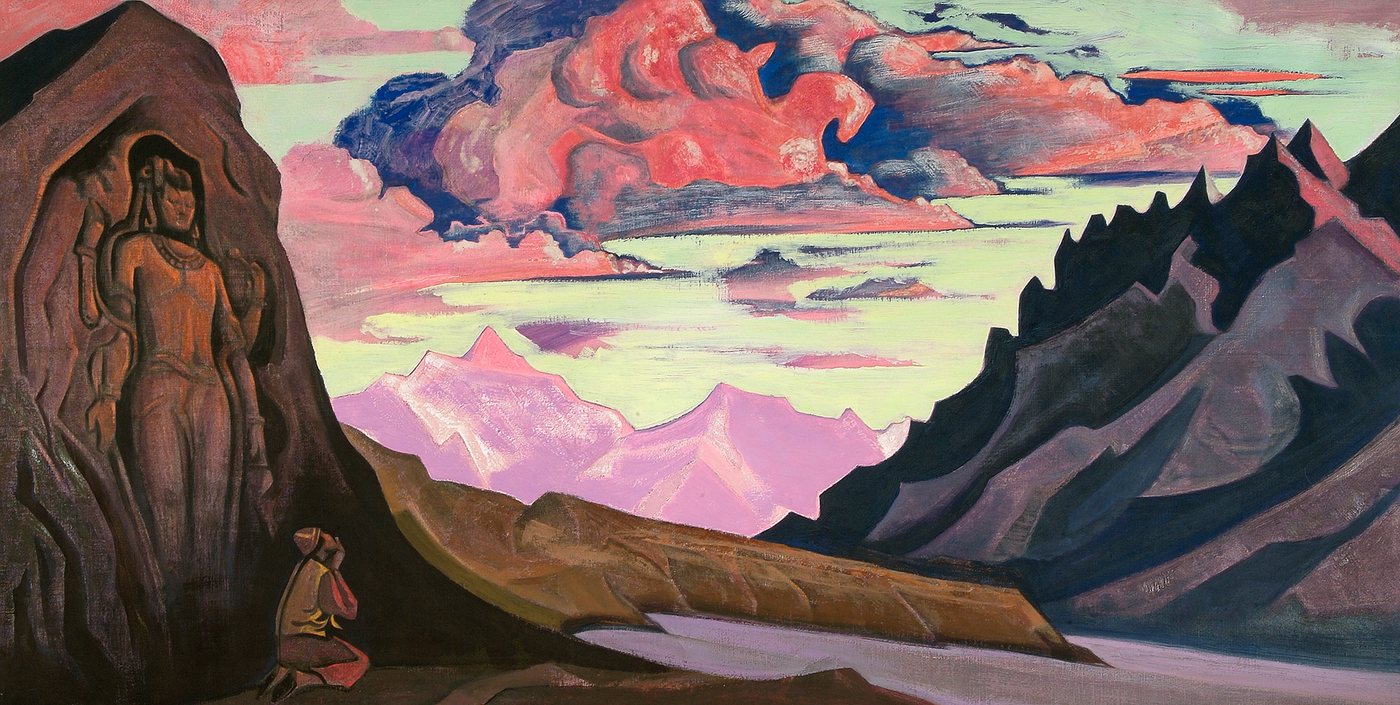
The Roeriches knew they were making a story. The day after the sighting Helena’s notebook recorded: “You have already become legendary figures; accept this garment of achievement. Success grows as the legend grows.” The historian Andrei Znamenski, in Red Shambhala, quotes the Master’s guidance for this leg of the journey: plan your movement so “that each phrase you utter turns into a legend,” and of the stupa at Sharagolji, in words the notebook dates to July 24, the day it went up: “The erection of the suburgan affirms the legend, and therefore it is useful.” On August 7 the Gegen of Tsaidam, the region’s head lama, consecrated it before some thirty Mongol guests, who promised to guard it. On August 10 an official from Sining rode in with a Chinese escort to examine passports; George Roerich noted how rumors grow in Central Asia, for the visit was soon being told as a Chinese army beaten off by the foreigners. Then, a few days before departure, a stranger in a gold-embroidered Mongol robe galloped into camp at dusk to warn of an ambush on the road into Tibet, and galloped off. On August 19 the caravan crossed Ulan Davan into the Tsaidam.
Sources: Тетрадь 24 (30.03.1927 – 25.11.1927)Red Shambhala: Magic, Prophecy, and Geopolitics in the Heart of AsiaAltai-Himalaya: A Travel DiaryTrails to Inmost Asia: Five Years of Exploration with the Roerich Central Asian Expedition
Five months on the Changtang
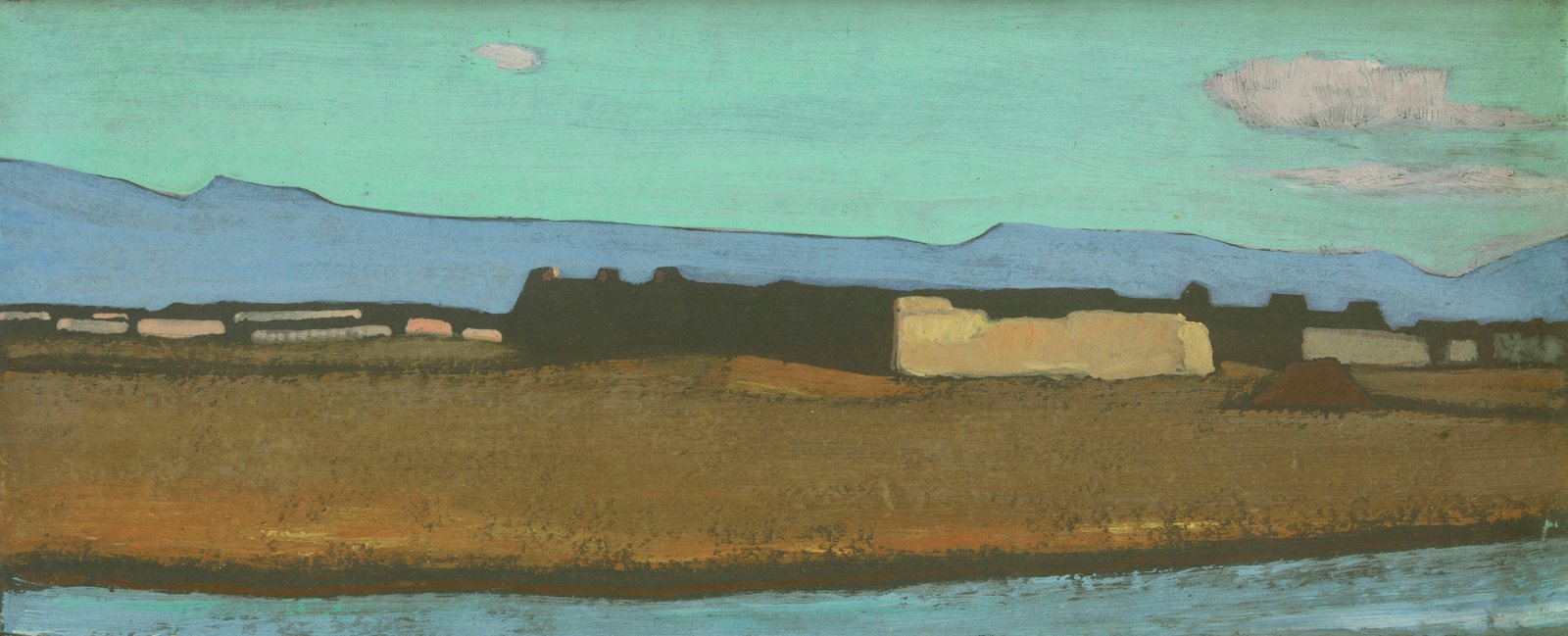
Whatever protected the caravan did not see it through Tibet. On October 6, 1927, two days north of Nagchu, Tibetan officials stopped it, and it was held for five months at about 15,000 feet in summer tents through the winter of the Changtang plateau. Five men died, three Mongol lamas and two Tibetans, and 90 of the 104 caravan animals perished before the expedition was allowed to turn south on March 4, 1928, toward Sikkim; behind the delay, historians point to British wariness of a Russian with a Buddhist program crossing into Tibet. Roerich went on to live and paint in the Kullu valley in India. He died there in December 1947, six months after Kenneth Arnold’s sighting, before anyone had linked the new flying saucers to his oval.
Sources: Altai-Himalaya: A Travel DiaryTrails to Inmost Asia: Five Years of Exploration with the Roerich Central Asian ExpeditionRed Shambhala: Magic, Prophecy, and Geopolitics in the Heart of Asia
Becoming a flying saucer
After Kenneth Arnold’s nine objects in 1947, saucer researchers went looking for older reports, and Roerich’s pages 361 and 362 were an early find. Donald Keyhoe put it in The Flying Saucers Are Real (1950), from a file of historic reports kept by True magazine: the eagle became a buzzard, the oval shone “like brightly polished metal,” and the year became 1934. “This was the last sighting listed before World War II,” he wrote. In 1952 the Air Force’s own Air Intelligence Digest ran a feature on early sightings with an entry, “Mongolia: 1927,” quoting Roerich’s page and describing him as a “painter, traveller, and mystic.” HQ USAF, the Digest concluded, could evaluate such reports with only one word: “interesting.” Harold Wilkins, in Flying Saucers on the Attack (1954), moved it to 1920 and set it “in the depths of the Kokonor desert, in Central Asia.” Jacques Vallée’s Anatomy of a Phenomenon (1965) got it right: August 5, 1927, at 9:30 a.m. Andrew Tomas went furthest. He said he had met Roerich in Shanghai in 1935, and in Shambhala: Oasis of Light (1977) he placed a “shiny disc” near the Karakoram in 1926, with the lamas crying, “This is the sign of Shambhala!” Were the objects “aircraft or spacecraft from Shambhala?” he asked. “This is the explanation I gave in Shanghai in 1935 and it still stands good today for lack of any other.”
Sources: The Flying Saucers Are RealAir Intelligence Digest feature on early sightings, “Mongolia: 1927”Flying Saucers on the AttackAnatomy of a Phenomenon: Unidentified Objects in SpaceShambhala: Oasis of LightAndrew Tomas, Nicolas Roerich, and the Flying Saucer Sighting of 1927
A stone from another world
In the Roerich circle the object joined a larger legend. The essay “Light in the Desert,” whose sighting ends with a lama’s “Rigden-jyepo himself is looking after us!”, turns within a paragraph to the Chintamani, a miraculous stone that fell “from some other world,” a fragment of which “is traveling on earth, manifesting the new era.” Tomas later wrote that in the version he heard from Roerich the stone had been brought to earth by a space voyager from the constellation of Orion. In 1950, with saucers in the newspapers, Helena Roerich wrote to American followers that flying saucers were cleansers of the atmosphere, so their appearances could be welcomed. Russian writers on the Roeriches still call the Sharagolji object an apparatus of the Brotherhood, and the writer R. V. Nutrikhin wrote in 2016 that it is still considered one of the most reliable UFO sightings ever recorded in the Buddhist lands of Asia. In October 2019 a Roerich researcher, Igor Yanchenko, found what he identified as the stupa’s site in the Sharagolchi valley (the modern spelling of Sharagolji), now in Subei Mongol Autonomous County, Gansu: an earthen square with a mound of stones beside a paved road.
Sources: ShambhalaShambhala: Oasis of Light«Летательные аппараты» в буддизме, или Что видела экспедиция Рериха в небе над Тибетом?Найдено место установленного Рерихами в 1927 году субургана Шамбалы в Шарагольчи
What survives
There is no photograph, no official record from 1927 and no report outside the expedition. What survives is unusually rich for a pre-war sighting all the same: Nicholas Roerich’s published accounts in English (1929–30) and Russian (The Heart of Asia, 1929; the Russian diary text of Altai-Himalaya, first printed in 1974); Helena Roerich’s dated diary entry from the camp; and the diaries of Dr. Ryabinin, Portnyagin and Colonel Kordashevsky, quoted by their Russian editors. They agree on a clear morning at Sharagolji, shouts about a large dark bird, a bright object very high up, moving fast from the north, northeast or east, field glasses, a turn toward the south or southwest, and a disappearance behind the mountains. They disagree on the time (9:30 or 10:30), the shape (oval, sphere, spindle, a slightly elongated ball), the bird (eagle, vulture or kite) and the headcount (seven, or the whole camp). George Roerich, the expedition’s scholar, left it out of his book.
Sources: Altai-Himalaya: A Travel DiaryАлтай – ГималаиThe Heart of AsiaShambhalaРерих Е.И. – Дневник, 5 августа 1927 [Шараголджи]Тетрадь 24 (30.03.1927 – 25.11.1927)«Летательные аппараты» в буддизме, или Что видела экспедиция Рериха в небе над Тибетом?Trails to Inmost Asia: Five Years of Exploration with the Roerich Central Asian Expedition
How the story drifted
The date slipped almost at once. Roerich’s diary files the entry under “Mongolia (1926–1927),” and retellers have put it in 1920, 1926 and 1934; Wikipedia’s list of UFO sightings still gives it as about 1926, in Tibet. The place wandered from the Shara-gol to “Mongolia,” “the wilds of Tibet,” the Kokonor desert, the Himalayas and the Karakoram. Wilkins turned Roerich’s “seven of us” into “several of us.” The oval became polished metal, then a disc. The lamas’ “Sign of Shambhala,” found only in The Heart of Asia, became a fixture of the story, while the Russian diary’s shorthand, “Energy A. Brother D. K.,” never reached the English retellings, and Helena Roerich’s channeled explanation reached print only in the 1990s and 2000s, with the expedition diaries and her notebooks.
Sources: The Flying Saucers Are RealFlying Saucers on the AttackShambhala: Oasis of LightList of reported UFO sightingsAug. 5, 1927; Himalayas, Nicholas RoerichAndrew Tomas, Nicolas Roerich, and the Flying Saucer Sighting of 1927
Explanations
A balloon was the first explanation, offered on the spot by a Buryat lama and again in “Light in the Desert.” Ryabinin rejected it in his diary: the nearest place a balloon could come from was Suzhou, today’s Jiuquan, six days away, and the wind was westerly. The best candidate came later. Sven Hedin’s Sino-Swedish Expedition was crossing the Gobi that summer, and its meteorologist, Waldemar Haude, sent up some 350 pilot balloons; Hedin describes one of June 1927 “glistening like a diamond against the background of a turquoise-blue heaven,” with Mongols staring after it “till it could only be seen with the field-glass.” The saucer writer Leon Davidson proposed a Hedin balloon, and Mark Pilkington (2010) and Jason Colavito (2015) have found it plausible. The difficulty is distance: in early August 1927 Hedin’s column was still in Inner Mongolia, hundreds of kilometers to the northeast (NICAP’s analyst Brad Sparks puts the two expeditions never closer than about 400 miles), and Sparks argues that a pilot balloon a few feet across could not have been spotted more than a mile or so away.
Sources: The Heart of AsiaShambhala«Летательные аппараты» в буддизме, или Что видела экспедиция Рериха в небе над Тибетом?Across the Gobi DesertAug. 5, 1927; Himalayas, Nicholas Roerich
Classification note
Filed as a mass sighting: several members of one caravan, Europeans, Mongols and Buryat lamas, watched the object together, some through field glasses, and at least four of them wrote it down. No close-encounter kind is assigned, because the object was only ever seen high in the sky. The Sign of Shambhala, the Brotherhood’s apparatus and the flying saucer are interpretations laid on afterward; what the witnesses describe is a bright object, high up, moving fast and changing course.
Sources: Altai-Himalaya: A Travel DiaryРерих Е.И. – Дневник, 5 августа 1927 [Шараголджи]«Летательные аппараты» в буддизме, или Что видела экспедиция Рериха в небе над Тибетом?
- 6 MAR 1925
After more than a year based at Darjeeling, the Roerich Central Asian Expedition sets out for Kashmir and Ladakh.
- JUN 1926
The Roeriches meet Soviet officials in Moscow, bringing Himalayan earth and a letter from “the Mahatmas.”
- 13 APR 1927
The expedition leaves Urga (Ulaanbaatar) for the Gobi.
- LATE JUN 1927
The caravan camps at Sharagolji, under the Humboldt Range, to wait for the camel season.
- 24 JUL 1927
Mongols help raise the Suburgan of Shambhala.
- 28 JUL 1927
A flash flood sweeps away the camp kitchen and tents.
- 5 AUG 1927 · MORNING
Watching a big black bird, the camp sees a shining oval pass high overhead and turn toward the southwest; field glasses are brought out.
- 5 AUG 1927
Helena Roerich’s diary records a message calling it “Our flying apparatus,” carrying the Master Djwal Kul.
- 7 AUG 1927
The Gegen of Tsaidam consecrates the stupa.
- 19 AUG 1927
The caravan crosses Ulan Davan into the Tsaidam.
- 6 OCT 1927 – 4 MAR 1928
Tibetan officials hold the expedition on the Changtang; five men and 90 animals die.
- 1929–30
Altai-Himalaya, The Heart of Asia and Shambhala publish the sighting in English and Russian.
- 1950
Donald Keyhoe cites it, dated 1934, in The Flying Saucers Are Real.
- 1952
The Air Force’s Air Intelligence Digest lists “Mongolia: 1927” among early sightings.
- 1954
Harold Wilkins retells it as a sighting of 1920 in the Kokonor desert.
- 1977
Andrew Tomas, in Shambhala: Oasis of Light, calls it a disc from Shambhala.
- OCT 2019
Igor Yanchenko identifies the stupa’s site in the Sharagolchi valley in Gansu.
Sources & interviews
Altai-Himalaya: A Travel DiaryNicholas Roerich · Frederick A. Stokes Company, New York, 1929 · part XI, “Mongolia (1926–1927),” pp. 358–362 · Internet ArchiveАлтай – ГималаиNicholas Roerich · Russian text of Altai-Himalaya, first published Moscow, 1974 · chapter XI, “Монголия” · rerih.org libraryThe Heart of AsiaNicholas Roerich · Roerich Museum Press, New York, copyright 1929 · chapter II, “Shambhala,” pp. 148–150 · Internet ArchiveСердце АзииNicholas Roerich · Alatas, Southbury, Connecticut, 1929 · part II, “Шамбала” · rerih.org libraryShambhalaNicholas Roerich · Frederick A. Stokes Company, New York, 1930 · essay “Light in the Desert,” dated Gangtok, 1928, pp. 243–244 · Internet ArchiveTrails to Inmost Asia: Five Years of Exploration with the Roerich Central Asian ExpeditionGeorge N. Roerich · Yale University Press, New Haven, 1931 · pp. 240–247 on the Sharagolji camp · Internet ArchiveРерих Е.И. – Дневник, 5 августа 1927 [Шараголджи]Helena Roerich, diary entry with editors’ notes quoting the expedition diaries of Konstantin Ryabinin and Pavel Portnyagin · TeopediaТетрадь 24 (30.03.1927 – 25.11.1927)Helena Roerich, diaries, with editors’ note quoting N. V. Kordashevsky · Lebendige Ethik«Летательные аппараты» в буддизме, или Что видела экспедиция Рериха в небе над Тибетом?R. V. Nutrikhin · Delphis no. 88 (4/2016) · quoting Konstantin Ryabinin, Развенчанный Тибет (Amrita-Ural, 1996)Найдено место установленного Рерихами в 1927 году субургана Шамбалы в ШарагольчиSiberian Roerich Society · March 24, 2020 · on Igor Yanchenko’s 2019 identification of the stupa siteCentral Asian ExpeditionInternational Centre of the Roerichs, Moscow · Museum by Name of N. K. RoerichNicholas RoerichWikipediaRed Shambhala: Magic, Prophecy, and Geopolitics in the Heart of AsiaAndrei Znamenski · Quest Books, Wheaton, Illinois, 2011 · pp. 190, 197–202 · Red Wheel/WeiserAcross the Gobi DesertSven Hedin · translated by H. J. Cant · E. P. Dutton, New York, 1933 printing (first published 1932) · preface and pp. 60–61 on Waldemar Haude’s pilot balloons · Internet ArchiveThe Flying Saucers Are RealDonald E. Keyhoe · Fawcett Gold Medal, New York, 1950 · Project GutenbergAir Intelligence Digest feature on early sightings, “Mongolia: 1927”HQ USAF Directorate of Intelligence · 1952 · copy in the Project Blue Book microfilm, roll 87 · Internet ArchiveFlying Saucers on the AttackHarold T. Wilkins · Citadel Press, New York, 1954 · pp. 17–18 · Internet ArchiveAnatomy of a Phenomenon: Unidentified Objects in SpaceJacques Vallée · Henry Regnery, Chicago, 1965 · Internet ArchiveShambhala: Oasis of LightAndrew Tomas · Sphere Books, London, 1977 · pp. 35, 40, 57, 61 · Open Library recordAndrew Tomas, Nicolas Roerich, and the Flying Saucer Sighting of 1927Jason Colavito · blog · November 7, 2015Aug. 5, 1927; Himalayas, Nicholas RoerichNICAP · case directory with analysis by Brad SparksList of reported UFO sightingsWikipediaSpotted an error, or know a better source? Write to hello@uap.fun.
Connected files
Nine Objects over Mount RainierThe 1947 sighting that named the flying saucer and sent writers back through old books, where they found Roerich’s shining oval.Kenneth ArnoldTwenty years after the caravan’s shining oval, his nine objects gave it a name; Roerich’s account is often cited as a saucer before the word.The Foo Fighters of the RhineMore pre-1947 lights that Harold Wilkins and the saucer writers of the early 1950s folded into their histories, as they did Roerich’s oval.Jacques ValléeHis Anatomy of a Phenomenon (1965) was one of the few saucer books to give Roerich’s date right.Discuss this case
Compare notes with other readers: witness details, sources, and the parts that still do not add up.
Open the discussion